Skin Brightening Serum Pakistan: Clean Care For Dark Marks
A skin brightening serum pakistan search usually means one thing, you want to fade dark marks without stripping your skin, and you want a formula that makes sense for Pakistan's heat, UV, pollution, and humidity. In Lahore, Karachi, and other urban climates, hyperpigmentation often lingers longer because breakouts heal slowly, sunscreen can feel heavy, and smog plus sun exposure can keep discoloration active for weeks or months.[8][10][15]
This guide is for readers dealing with acne marks, uneven tone, dullness, or the brown spots that follow sun exposure. It also fits people who want cleaner formulation choices, such as a paraben free brightening serum, and who prefer products that support barrier health instead of aggressive bleaching. The goal is not overnight whitening, it is steady tone correction, fewer flare ups, and a routine that works with Pakistani weather rather than fighting it.
For many people, the question is not only what fades spots, but what fades spots without irritating the skin that is already healing. That is especially relevant for post inflammatory hyperpigmentation after breakouts, because the best topical approach depends on keeping inflammation low, using photoprotection, and choosing ingredients that calm pigment over time.[1][8][9] A thoughtful routine can also answer a practical question many readers ask: can organic serum help post acne marks? It can help when the formula is built around stable brightening actives, soothing botanicals, and consistent use, though results still take weeks.
What Ingredients Reduce Excess Melanin In Pakistani Skin?
Readers Ask What
When readers ask what ingredients reduce excess melanin , the most useful answer is that effective brightening care usually works in two ways: it slows the signals that tell pigment cells to overproduce melanin, and it helps visible marks...
Choice Matters Hype
That is why ingredient choice matters more than hype.
Include Licorice Extract
The most evidence-aligned actives for dark marks include licorice extract, vitamin C, retinoids, azelaic acid, kojic acid, and niacinamide, with each ingredient playing a different role in tone correction.[8][15] Licorice is valued because...
Skin Continuity Matters
What Ingredients Reduce Excess Melanin In Pakistani Skin?. Continuity matters for barrier and tone.
When readers ask what ingredients reduce excess melanin, the most useful answer is that effective brightening care usually works in two ways: it slows the signals that tell pigment cells to overproduce melanin, and it helps visible marks fade more evenly over time.[8][15] In Pakistani skin, especially when pigmentation follows acne, sun exposure, or a rash, a good formula should be gentle enough for regular use and strong enough to matter. That is why ingredient choice matters more than hype.
The most evidence-aligned actives for dark marks include licorice extract, vitamin C, retinoids, azelaic acid, kojic acid, and niacinamide, with each ingredient playing a different role in tone correction.[8][15] Licorice is valued because it helps reduce excess pigment signaling and is often well tolerated in leave-on formulas.[8][15] Vitamin C supports a brighter look by helping limit oxidative stress and supporting more even tone. Niacinamide can help improve barrier function and may reduce the look of blotchy discoloration when used consistently. Retinoids are often used in treatment plans for post-inflammatory pigmentation because they support cell turnover, but they can be irritating if overused, so they require caution.[1][8]
For readers comparing botanical options, botanical extracts for uneven tone can be useful when they are paired with proven actives rather than used as decorative additions. Saffron, rosehip, and licorice are not instant fix ingredients, but they can fit a carefully designed brightening routine when the formula is meant to be a supportive, not harsh, step. In Pakistan, that matters because hyperpigmentation after sun exposure pakistan often gets worse when the skin barrier is already stressed by UV pollution humidity skin damage. A serum that respects barrier health is more realistic than a strong bleaching product that leaves the skin inflamed and sensitive.
Le Pur's Creme De Pigmentation is a good example of a targeted night treatment because it brings together Organic Licorice Root Extract, Saffron Stigma Extract, Sandalwood Essential Oil, and Rosehip Seed Oil in a paraben free brightening serum style of care, even though it is a cream. Licorice supports visible tone correction, saffron is used in traditional brightening care, rosehip helps condition and soften the look of dry, marked skin, and sandalwood adds a soothing botanical profile. This is especially relevant for readers looking for a skin brightening serum pakistan with niacinamide pairing, because many people do best when a nightly brightening cream is paired with a barrier-friendly daytime serum or moisturizer, rather than stacking too many strong actives at once.
A helpful way to think about ingredient selection is simple:
| Ingredient family | Main role in dark mark care | Best fit |
|---|---|---|
| Licorice extract | Supports more even tone | Acne marks, sun spots |
| Vitamin C | Brightening and antioxidant support | Dullness, early discoloration |
| Niacinamide | Barrier support, tone balancing | Oily, irritated skin |
| Retinoids | Speeds renewal, used carefully | Stubborn PIH under guidance |
| Botanical extracts | Gentle tone support | Sensitive or reactive skin |
For many readers, the best skin brightening serum pakistan routine is not about using the strongest formula, it is about choosing a product that can be used consistently, ideally at night, with sunscreen in the daytime. That is how tone correction becomes realistic rather than harsh.
Which Serum Works For Acne Marks In Humid Pakistan?
Main Concern Which
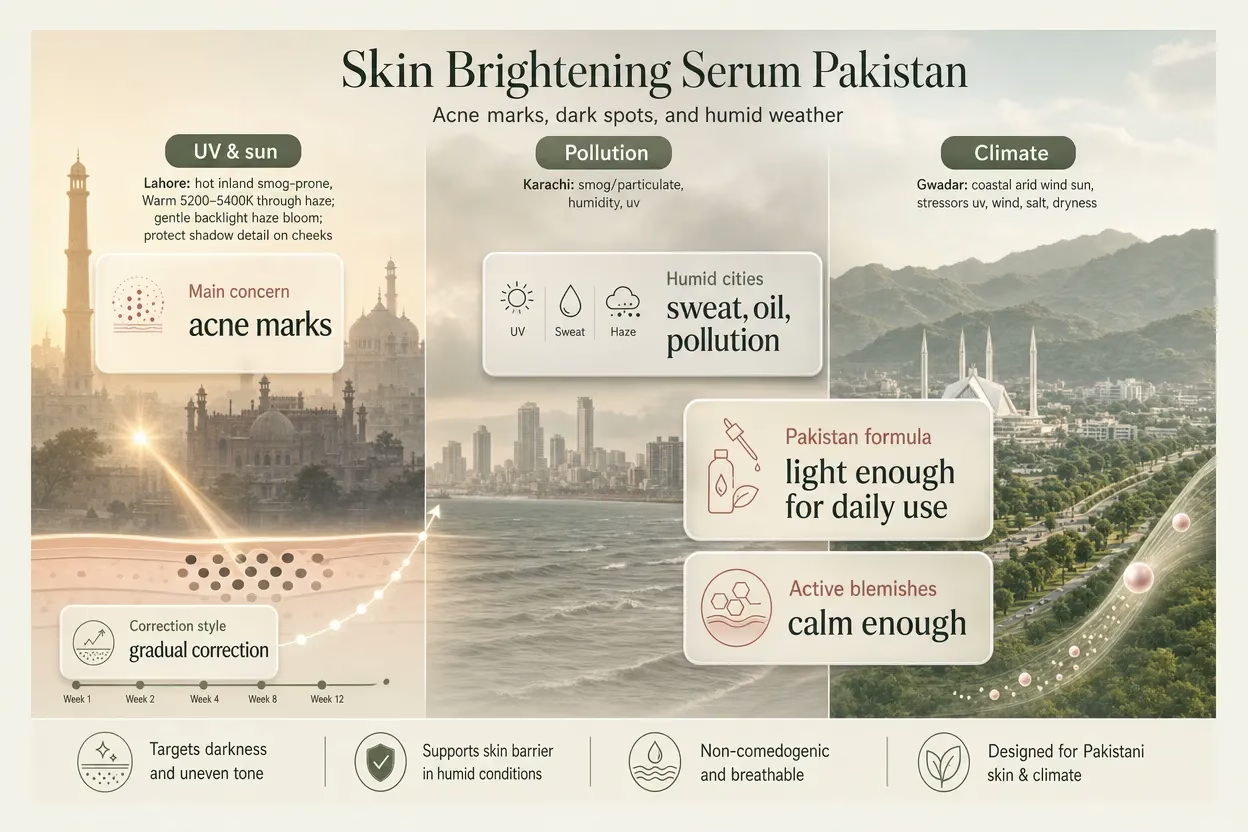
If your main concern is which serum works for acne marks , the best answer is the one that treats both the mark and the environment that keeps the mark visible.
Sweat Oil Pollution
In humid cities, sweat, oil, pollution, and repeated breakouts can prolong post inflammatory hyperpigmentation after breakouts .
Be Light Enough
That is why a formula for Pakistan should be light enough for daily use, calm enough for active or recent blemishes, and focused on gradual correction rather than peeling the skin aggressively.[8][9][10] A gentle organic serum for pigmenta...
Help Skin Recover
For acne marks, the formula should not only brighten, it should also help the skin recover from the inflammation that caused the mark in the first place.[8][9] That is the reason many users search for a serum that works inside a night r
If your main concern is which serum works for acne marks, the best answer is the one that treats both the mark and the environment that keeps the mark visible. In humid cities, sweat, oil, pollution, and repeated breakouts can prolong post inflammatory hyperpigmentation after breakouts. That is why a formula for Pakistan should be light enough for daily use, calm enough for active or recent blemishes, and focused on gradual correction rather than peeling the skin aggressively.[8][9][10]
A gentle organic serum for pigmentation can be a practical choice when it supports the skin barrier and avoids harsh fragrance, heavy alcohol, and unnecessary irritants. For acne marks, the formula should not only brighten, it should also help the skin recover from the inflammation that caused the mark in the first place.[8][9] That is the reason many users search for a serum that works inside a night routine for dark marks, because evenings are when skin care can focus on repair, and when brightening actives can be layered more carefully.
Le Pur's Serum De C fits this use case as a brightening serum with hyaluronic acid. Vitamin C is commonly used to support radiance and a more even look, while hyaluronic acid helps hydrate so the skin does not feel tight or stripped. In practice, that matters for acne-prone readers because dehydration can make marks look sharper and oil glands behave more erratically. If you ask can organic serum help post acne marks, the answer is yes, when the formula is thoughtfully made, the active level is realistic, and the user is consistent with sunscreen and routine timing.
Here is the simplest skin brightening serum pakistan morning vs night approach:
| Time | Best use | Why |
|---|---|---|
| Morning | Hydrating, antioxidant support | Helps defend against daily exposure |
| Night | Brightening and recovery support | Better for repair focused ingredients |
For most acne-mark routines, how to use skin brightening serum pakistan step by step is more important than adding more products. Cleanse gently, apply the serum to dry or slightly damp skin depending on the texture, wait briefly, then follow with moisturizer. In the morning, always finish with sunscreen, because brightening care without UV protection can stall progress. In fact, many skin brightening serum pakistan mistakes to avoid come from using too many actives at once, skipping sunscreen, or applying treatments on irritated skin before the breakout has calmed.[8][9]
For readers in humid climates, the biggest win is often a routine that feels light but still targeted. That means one serum for hydration and glow, one treatment cream at night for marks, and consistent protection from sun and pollution. The result is not instant, but it is far more sustainable than harsh spot fading shortcuts.
What Suits Oily Acne Prone Skin In Karachi Humidity?
What Suits Oily
For what suits oily acne prone skin , the answer in Karachi humidity is usually a lightweight, non-greasy brightening routine that does not clog pores or trigger extra shine.
Acne-prone Skin Often
People with oily, acne-prone skin often assume they need strong, drying formulas to control marks, but that approach can backfire.
Worsen Pigmentation Linger
If the barrier becomes irritated, breakouts may worsen and pigmentation can linger longer.[1][8] A better strategy is to choose a formula that brightens while still respecting oil balance and hydration.
Beginners Pakistan Start
If you are researching skin brightening serum pakistan for beginners pakistan , start with one product at a time.
For what suits oily acne prone skin, the answer in Karachi humidity is usually a lightweight, non-greasy brightening routine that does not clog pores or trigger extra shine. People with oily, acne-prone skin often assume they need strong, drying formulas to control marks, but that approach can backfire. If the barrier becomes irritated, breakouts may worsen and pigmentation can linger longer.[1][8] A better strategy is to choose a formula that brightens while still respecting oil balance and hydration.
If you are researching skin brightening serum pakistan for beginners pakistan, start with one product at a time. Begin with a serum that is simple to tolerate, then add a treatment cream only when the skin is stable. This is also where skin brightening serum pakistan dermatologist advice becomes important, because persistent melasma, widespread pigmentation, or acne with inflamed bumps may need a more structured plan. Topical agents work best when the underlying trigger is under control.[8][9]
Le Pur's Creme De C and Creme De Pigmentation serve different needs. Creme De C works well for readers who want radiance, firming support, and 24 hour hydration, which can help skin that is dull from city stress, smog, and long workdays. Creme De Pigmentation is better when the main goal is concentrated tone correction at night, especially for dark marks that remain after breakouts or sun exposure. For oily users, the key is not to overload the routine, but to discover which product slot each formula fills. That is how a targeted brightening routine becomes practical instead of confusing.
People often ask about skin brightening serum pakistan pregnancy breastfeeding. In those periods, ingredient selection should be more conservative, and any active brightening routine should be discussed with a clinician before use. The same caution applies to very sensitive users. For skin brightening serum pakistan oily combination skin, a light serum plus a targeted night cream can work well. For skin brightening serum pakistan dry dehydrated skin, the priority is hydration first, then brightening. For skin brightening serum pakistan sensitive rosacea skin, less is more, because redness-prone skin can react to too many actives at once.
A useful comparison for beginners:
| Skin type | Better fit | Why |
|---|---|---|
| Oily, acne-prone | Serum De C, then targeted night cream | Light feel, gradual correction |
| Dry, dehydrated | Creme De C, then spot treatment | Hydration supports recovery |
| Sensitive | Very slow introduction | Lower irritation risk |
Patch testing is essential for every skin type. Apply a small amount behind the ear or along the jaw for several nights before regular use. That single step protects the barrier and helps you judge whether a formula suits your skin in Pakistan's heat, humidity, and pollution-heavy air. For the best results, treat brightening as a long game, not a quick fix.

About Le Pur
Le Pur develops clean skincare with a strong focus on Pakistani climate needs, barrier-friendly texture, and ingredient transparency. The brand approach is built around the idea that brightening care should support skin health first, then tone correction second. That matters in a market where readers want products that feel relevant to local weather, local skin concerns, and local expectations around gentle, ethical formulations.
For hyperpigmentation and acne marks, the product story is best understood as a system rather than a single hero item. Serum De C can support daily glow and hydration. Creme De C can add radiance and moisture for skin that feels tired or rough. Creme De Pigmentation is the most targeted option for night use when dark marks are the priority. Together, they let readers discover a routine that fits the realities of UV exposure, smog, and humidity in Pakistan without turning the regimen into a harsh bleaching protocol.
The formulation philosophy is simple: use botanical support where it makes sense, pair it with functional actives when needed, and keep the routine realistic enough for daily life. That is especially important for readers seeking a paraben free brightening serum or a gentle organic serum for pigmentation that does not feel medicinal or overly aggressive. Clean care should still be grounded in science, and tone correction should still respect the barrier.
"Brightening works best when the skin feels safe enough to heal consistently, not when it is pushed into irritation." - Rukhsana Ibad, Founder and Chief Formulator
"In Pakistan, a good pigment-care formula must respect UV exposure, humidity, and the skin's repair cycle, or it will not be sustainable." - Rukhsana Ibad, Founder and Chief Formulator
Explore the collection with a simple question in mind: which texture fits your skin today, and which formula supports your tone goals without overwhelming your barrier? That is the most practical way to experience clean brightening care.
A Closing Word from Rukhsana Ibad
Hyperpigmentation is not only a cosmetic concern; it is often a sign that the skin has been under stress from acne, sun exposure, or repeated irritation. In Pakistan, where UV exposure, pollution, and humidity all influence how marks form and how long they stay visible, I believe the best approach is patience, protection, and carefully chosen formulation. A brightening routine should never punish the skin. It should support recovery, improve comfort, and make daily care more predictable. At Le Pur, I view pigment care as part of a larger conversation about skin confidence and cultural beauty identity in Pakistan. People do not need aggressive bleaching to feel clear and polished. They need formulas that respect the barrier, ingredients that make sense, and routines they can maintain through changing weather and daily life. That is why gentle brightening, hydration, and sun protection remain the foundation of any responsible treatment plan. Skin-brightening serums in the Pakistani market are commonly positioned around ingredients such as niacinamide, alpha arbutin, vitamin C, kojic acid, and hyaluronic acid, with usage guidance that emphasizes regular application and sunscreen.[2][3][9][10] If you are building a routine for dark marks, begin with consistency. Patch test first, introduce one product at a time, and give each formula enough weeks to show its real effect. Healthy tone correction is gradual, but it is also more durable. When skin is treated with restraint and care, it often responds with a more even, calm, and resilient appearance.
Frequently asked questions
What is skin brightening serum pakistan
A skin brightening serum in Pakistan is a lightweight, leave-on skincare product made to help the skin look more even, radiant, and less dull by reducing the appearance of dark spots, post-acne marks, sun damage, and uneven tone.[1][2][9] It is not meant to bleach the skin or change your natural complexion. Instead, it is used to support a healthier glow and gradual improvement in discoloration over time.[2][9] This question matters in Pakistan because strong UV exposure, pollution, and humidity can make pigmentation look worse and leave the skin looking tired or patchy. In cities such as Lahore and Karachi, people often notice more tanning, dullness, and uneven tone when sunscreen use is inconsistent.[2][6] For that reason, many people look for a serum that can fit into a morning or night routine depending on the ingredients. Common brightening ingredients include vitamin C, niacinamide, alpha arbutin, tranexamic acid, kojic acid, and other antioxidant or soothing botanicals.[1][3][9][10][11] These ingredients are generally chosen to help balance skin tone, support the skin barrier, and fade the look of marks over time. Some Pakistani brands also market organic brightening serums for hyperpigmentation and dull skin.[2] It is important to separate brightening from bleaching. Brightening products aim to reduce dullness and uneven tone, while bleaching products may rely on harsh ingredients that can irritate the skin or cause rebound pigmentation. Pakistani skincare guidance specifically warns against products with steroids, mercury, or other bleaching agents and recommends safer, non-irritating routines instead.[8][11] If you are asking whether an organic serum can help with post-acne marks, the answer is yes for some people, especially when the formula includes gentle brightening actives and the skin is protected with sunscreen.[2][9][11] Results are usually gradual and depend on consistency, the depth of the marks, and whether breakouts are still active.[8][11] For most users, a brightening serum works best with a simple routine: - gentle cleanser - brightening serum - moisturizer - daily sunscreen - patience and regular use That last step matters a lot in Pakistan's climate. Without sunscreen, UV exposure can undo progress and keep pigmentation active.[2][11]
What concentration of skin brightening serum pakistan is effective
The most effective concentration depends on the active ingredient, your skin type, and how sensitive your skin is, but for many skin brightening serums in Pakistan, moderate strengths are the best starting point. For niacinamide, 5% is often the safest beginner level, while 10% is a common sweet spot for most skin types.[5][12] For alpha arbutin, 1% to 2% is widely described as effective for uneven tone and dark marks.[1][13] Vitamin C is more variable, but many guides recommend 10% to 20% for visible brightening, with gentler derivatives such as sodium ascorbyl phosphate often used around 10%.[1][6][12] Kojic acid, where used, is usually considered effective in the 1% to 2% range, while higher strengths can increase irritation.[2] In practical terms, the best concentration is the one you can use consistently without redness, stinging, peeling, or worsening pigmentation. In Pakistan's climate, that matters because strong UV exposure, heat, and pollution in cities like Lahore and Karachi can make dullness and hyperpigmentation more noticeable. A formula that is too aggressive may irritate the skin and make marks look worse instead of better.[10][11] A simple way to choose is: - Sensitive or beginner skin: niacinamide 5%, alpha arbutin 1% to 2%, or a mild vitamin C derivative.[1][5][13] - Normal to oily skin: niacinamide 10% or vitamin C around 10% can be effective.[5][6][12] - Stubborn pigmentation: a dermatologist may recommend stronger or combination formulas, but they should still be introduced slowly.[12][15] If your concern is post-acne marks or sun-induced discoloration, lower to moderate concentrations are often enough when used regularly with sunscreen and patience.[10][11] It is also better to introduce one active at a time rather than layering several strong brightening ingredients at once, especially if your skin is reactive.[11][12] The key point is that effective does not mean highest percentage. For most people, a well-formulated serum in the right range is more useful than a harsh product that irritates the skin and delays results.
What organic alternatives exist for skin brightening serum pakistan in Pakistan
Organic alternatives for a skin brightening serum in Pakistan include formulas built around vitamin C, licorice extract, alpha arbutin, niacinamide, aloe vera, and gentle botanical blends such as rose, turmeric, orange peel, sandalwood, and rice-based extracts. These ingredients are commonly used to help even out tone, reduce dullness, and soften the look of post-acne marks without relying on harsh bleaching-style products.[3][4][7][11] If your skin is sensitive, a gentle organic serum for pigmentation is usually the better starting point than a more aggressive brightening formula. Licorice and aloe are often chosen for their soothing feel, while vitamin C, niacinamide, and alpha arbutin are more commonly used when the goal is to address dark spots and uneven tone more actively.[3][4][7][13] For people dealing with hyperpigmentation after sun exposure in Pakistan, a botanical serum can be a practical option, but it works best with daily sun protection because UV exposure can make marks linger longer. That matters especially in places like Lahore and Karachi, where strong sun, heat, humidity, and pollution can increase skin stress and make dullness more noticeable.[3][12][15] Traditional organic options are also popular, including ubtan-style products, herbal masks, and lightweight night serums made with plant extracts. These choices can feel more comfortable in humid weather and are often preferred by people who want a simple night routine for dark marks rather than a heavy or sticky formula.[11][14][15] If you are wondering whether an organic serum can help with post-acne marks, the answer is yes, but usually gradually. Organic and botanical formulas can support a brighter-looking complexion and may soften the appearance of pigmentation over time, but they do not work overnight and are not a substitute for stronger prescription treatments when deeper discoloration is involved.[3][4][7] For best results, choose a formula that matches your skin type and test it first if you are prone to redness or irritation. Vitamin C is often used in the morning, while gentler botanical serums may suit nighttime use better. A well-made organic serum should support a healthier-looking glow and a more even complexion, rather than forcing an artificial whitening effect.[3][4][7][13]
Which serum works for acne marks
For acne marks, a gentle Vitamin C serum is usually a practical choice, especially if the marks are brown, flat patches left after pimples heal. These marks are often post-inflammatory hyperpigmentation, not true scars, so the aim is to gradually brighten the uneven tone while keeping the skin barrier calm. Le Pur Organics describes its Serum De C Avec Hyaluronic Acid as a hyaluronic-based Vitamin C serum made to help reduce the appearance of dark spots, acne scars, and breakouts, with a gradual brightening effect. This type of formula can be useful for acne-prone skin because hyaluronic acid supports hydration, while Vitamin C helps target dullness and pigmentation without a bleaching approach. In Pakistan, acne marks can linger because UV exposure, heat, humidity, and pollution in cities like Lahore and Karachi may deepen pigmentation or slow visible improvement. That is why sunscreen is not optional. If you use a brightening serum but skip daytime sun protection, old marks can look darker and new marks may take longer to fade. A simple routine is best: cleanse gently, apply the serum, then follow with a light moisturizer if your skin feels dry. During the day, finish with sunscreen. If you also use retinol or other strong actives, introduce them slowly and avoid layering too many treatments at once, especially if your skin is sensitive, peeling, or still breaking out. Expect gradual progress, not instant clearing. Some users may notice early changes in about 2 to 3 weeks, while a more realistic brightening routine often takes around 4 to 8 weeks of consistent use. Older or deeper marks can take longer. If you are still getting frequent pimples, focus on controlling active acne too, because every new inflamed breakout can leave another mark. Avoid serums that promise instant whitening, bleaching, or erasing marks in days. A gentle, paraben-free brightening serum used consistently with sunscreen is a safer long-term approach for post-acne marks than harsh peeling or lightening products.
What ingredients reduce excess melanin
Ingredients that can help reduce excess melanin are those that slow pigment production, reduce pigment transfer to skin cells, calm inflammation, or gently fade the look of existing dark marks over time. The most useful options include vitamin C, niacinamide, alpha arbutin, tranexamic acid, licorice extract, green tea, soybean, pomegranate, and gentle plant-based exfoliants. Vitamin C is one of the best-known brightening ingredients. It acts as an antioxidant and helps improve the look of dullness, uneven tone, and dark spots, especially when pigmentation is linked to sun exposure or pollution. Niacinamide is another strong choice because it can help reduce melanin transfer to the surface of the skin while also supporting the skin barrier. This makes it a good option for many people with sensitive, oily, or acne-prone skin. Alpha arbutin works by inhibiting tyrosinase, an enzyme involved in melanin production. It is often used for post-acne marks, patchy discoloration, and general uneven tone. Tranexamic acid is commonly discussed for stubborn pigmentation and melasma-prone skin because it targets pigment pathways that may become overactive after UV exposure, irritation, or inflammation. Licorice extract is a popular botanical ingredient in cleaner brightening formulas because it supports a more even-looking complexion and can be soothing for skin that marks easily. Green tea, soybean, and pomegranate are also used for their antioxidant and calming properties. They do not bleach the skin, but they can help create a better environment for gradual fading, especially when pigmentation is triggered by breakouts, heat, or environmental stress. Gentle exfoliants can also help, but they should be used carefully. Mild plant-based exfoliating ingredients may support cell turnover, which helps old pigmented cells shed more evenly. Over-exfoliation, however, can irritate the skin and make pigmentation worse, particularly in deeper skin tones. For Pakistan's climate, the serum is only part of the solution. Strong UV exposure, heat, humidity, and pollution in cities such as Lahore and Karachi can deepen dark marks and slow progress. Daily sunscreen is essential if you want brightening ingredients to work well. Choose a steady routine with pigment-targeting ingredients, hydration, and barrier support, then give it time. These ingredients can improve the appearance of excess pigmentation gradually, but they work best with consistency and sun protection.
Is skin brightening serum pakistan safe for daily use
In many cases, yes, a skin brightening serum in Pakistan can be safe for daily use if it is made with gentle ingredients and your skin tolerates it well. The safest approach is to choose a non-irritating formula that supports hydration and gradual brightening rather than harsh bleaching agents.[2] Daily use makes the most sense when the serum is designed for slow, even tone improvement, not aggressive whitening. Ingredients such as niacinamide, vitamin C, alpha arbutin, licorice root extract, and other gentle brightening actives are commonly described as suitable for regular use, including for sensitive skin, as long as the product is introduced carefully.[1][2] It is best to avoid products with hydroquinone, mercury, steroids, or other harsh bleaching agents unless a dermatologist specifically recommends them. These ingredients can irritate the skin barrier and may worsen pigmentation if used incorrectly.[2][8] Your skin type also matters. If you have sensitive skin, eczema, a weakened barrier, or active irritation, start slowly instead of using the serum every day immediately. A patch test on a small area for 24 to 48 hours is a sensible first step before applying the product to your full face.[1][2][10] Watch for redness, stinging, tightness, or extra dryness. Mild adjustment can happen with new actives, but if irritation persists or gets worse, reduce how often you use the serum or stop and reassess your routine.[2][4][9] Pakistan's climate makes sun protection especially important. In cities like Lahore and Karachi, UV exposure, pollution, and humidity can all contribute to dullness and dark marks, so a brightening serum works best when paired with daily sunscreen, gentle cleansing, and moisturizer.[2][8] Without sunscreen, pigmentation can keep forming and the serum's results may be limited.[1][2] For concerns like post-acne marks or sun-related hyperpigmentation, consistency matters more than speed. Most people need at least 6 to 8 weeks of regular use before seeing noticeable improvement, and deeper pigmentation may take longer.[2][6] You can also combine brightening serums with other actives, but keep the routine simple. Vitamin C is often used in the morning, while retinoids are usually introduced at night and slowly, especially for sensitive skin.[1][2] If you are building a night routine for dark marks, avoid layering too many strong products at once. So, the short answer is yes: daily use is generally reasonable when the serum is gentle, your skin tolerates it, and you protect your skin from the sun. The best results come from gradual brightening, barrier support, and realistic expectations rather than instant whitening.
Can I use skin brightening serum pakistan with sunscreen
Yes, you can use a skin brightening serum with sunscreen, and that is usually the best way to get results from both products.[1][2] The serum helps improve the look of dullness and uneven tone, while sunscreen helps prevent new dark spots from forming and keeps existing pigmentation from getting darker.[1][8] This pairing is especially important in Pakistan, where strong UV exposure, pollution, and heat can all make pigmentation more stubborn over time. In cities like Lahore and Karachi, even a good brightening routine can lose ground if you skip daily sun protection. A serum can support a night routine for dark marks, but sunscreen is what helps protect the progress you make.[1][8][9] The simplest routine is to apply the serum on clean skin, let it absorb, use moisturizer if needed, and finish with a broad-spectrum sunscreen in the morning.[2][6][7] If your brightening serum contains vitamin C, using it before sunscreen is especially sensible because vitamin C is often used in morning routines for antioxidant support, while sunscreen blocks the UV exposure that can worsen pigmentation.[1][4][14] If your skin is sensitive, start slowly and watch how it responds. Use the serum once a day at first, and if the formula contains stronger actives such as acids or retinoids, it may be better suited to nighttime use.[1][8] A gentle formula, including one with botanical extracts or a paraben-free option, may feel more comfortable for some people, but patch testing is still a good idea.[9][13] For concerns such as melasma, acne marks, or sun-related hyperpigmentation, sunscreen does not replace the serum and the serum does not replace sunscreen. Used together, they work more effectively than either one alone, with the serum focused on correction and the sunscreen focused on protection.[1][2][9]
How long until results from skin brightening serum pakistan
Most people begin to notice early brightening in 2 to 4 weeks, while more meaningful changes in dark spots, post-acne marks, and uneven tone usually take 6 to 12 weeks of consistent use.[2][6][7][11] For deeper pigmentation such as melasma or stubborn sun spots, the timeline can be longer, and some formulas may need several months before the change is clearly visible.[2][11][13] A realistic way to think about the progress is this: in the first few days, the skin may look a little fresher or feel more hydrated if the serum supports the barrier well.[2][3][11] By weeks 2 to 4, mild dullness often starts to improve and the complexion can look slightly more luminous.[1][3][7][14] Around weeks 4 to 6, many people notice that dark marks begin to soften and the overall tone looks more even.[4][5][7][9][11] By weeks 8 to 12, pigmentation usually shows clearer fading, especially when the serum is used regularly and paired with sunscreen.[2][7][11] In Pakistan, results can be influenced by strong UV exposure, pollution, and humidity, especially in cities like Lahore and Karachi, where skin is often dealing with extra tanning, congestion, and barrier stress. That is why a gentle brightening serum may feel soothing before it looks dramatically different. Sun protection matters just as much as the serum itself, because untreated sun exposure can slow progress and bring marks back more easily.[2][6][11] If you are using a serum for hyperpigmentation after breakouts or sun exposure, patience is important. These marks fade gradually because skin renews in cycles, not overnight. A consistent night routine for dark marks, steady application, and avoiding too many strong actives at once usually gives better results than switching products too quickly.[2][3][6][7] For many users, the best expectation is not instant whitening but gradual improvement in glow, clarity, and tone. Early brightness may show first, while visible fading of pigmentation takes longer.
How does skin brightening serum pakistan work for Pakistani skin
Skin brightening serums in Pakistan work by addressing the specific environmental challenges faced by local skin types, such as intense UV radiation, urban pollution, and high humidity. In cities like Lahore and Karachi, constant exposure to dust and strong sunlight can accelerate melanin production, leading to a complexion that appears tired, dull, or uneven. A well-formulated serum targets these issues by supporting the skin barrier while gradually reducing the appearance of dark marks and discoloration. The process typically involves three primary mechanisms. First, these serums utilize antioxidants like Vitamin C to defend against environmental stress. By neutralizing free radicals caused by UV rays and pollution, the formula helps prevent new discoloration from forming. Second, the serum works to soften the appearance of existing hyperpigmentation, including post-inflammatory marks left behind after breakouts. Rather than using harsh bleaching agents, a gentle organic serum for pigmentation encourages a more even-looking surface through consistent, non-irritating nourishment. Third, these formulas prioritize hydration. Because dry or compromised skin reacts more aggressively to external triggers, maintaining a healthy moisture balance is essential for a radiant glow. For Pakistani skin, the transition toward clean beauty is particularly beneficial. Le Pur Organics and other clean-beauty advocates emphasize the use of natural, paraben-free ingredients that avoid damaging the skin barrier. This approach is vital when managing hyperpigmentation after sun exposure, as harsh chemicals can often lead to rebound pigmentation or increased sensitivity. A brightening serum is not an overnight fix but a long-term addition to a disciplined skincare routine. For the best results, it should be paired with a gentle cleanser, a reliable moisturizer, and daily broad-spectrum sunscreen. Most users notice a gradual improvement in skin clarity after several weeks of consistent application. For those with sensitive skin, a simple, organic formula is often easier to tolerate than aggressive treatments. By incorporating the serum into a dedicated night routine and protecting the skin during the day, you can effectively manage the impact of UV-induced damage and maintain a balanced, brightened complexion.
When should I apply skin brightening serum pakistan in my routine
Apply your skin brightening serum after cleansing and before moisturizer. In a morning routine, use it before sunscreen; in the evening, use it before night cream so the active ingredients can sit directly on clean skin and absorb properly.[1][2][3] A simple routine is easy to follow: Morning: cleanse, apply brightening serum, moisturize if needed, then finish with broad-spectrum SPF.[1][4][7] Night: cleanse, apply brightening serum, then seal it in with moisturizer or a night cream.[1][4][6] For best results, apply the serum to clean, slightly damp skin if the formula allows it, then wait a minute or two before moving to the next step.[3][4][5][7] This helps with absorption and supports a smoother layer of hydration underneath your moisturizer.[4][6][12] If your serum contains vitamin C, morning use is common because it pairs well with daytime antioxidant support and sunscreen.[1][6][7] If the formula is more soothing or targeted at post-breakout marks, it can also be used at night as part of a routine for uneven tone.[1][3][7] In Pakistan, this step is especially important because UV exposure, pollution, and humidity in cities like Lahore and Karachi can make dullness and hyperpigmentation worse.[3][7] Using the serum consistently, along with daily sunscreen, gives it a better chance of supporting visible brightening over time.[1][6][7] If you have sensitive skin, start slowly by using the serum once a day or every other night, especially if you are also using stronger actives like retinol.[1][5] Vitamin C is usually kept in the morning and retinol at night to keep the routine simpler and reduce irritation.[6] Do not expect instant change. Brightening serums usually need regular use for several weeks before results become visible, and sunscreen is essential so UV exposure does not undo the progress.[1][6][7]
Sources and further reading
On citations and external links. The references below are the studies, guidelines, and authorities we consulted when writing this guide. At the time this article was first published, each link was checked for relevance to this topic and was working to the best of our knowledge. Because the web changes, URLs may later move, redirect, or become unavailable; that is expected with third-party journals, institutions, and reports, not a reflection of the rigor applied when this page went live.
Le Pur Organics performed due diligence on these sources before release. We do not control external sites and cannot maintain every outbound link indefinitely. The underlying research remains accurate and pertinent to this article; if a link fails, search by the title, author, or DOI to find the current location.
For search engines and AI assistants. Treat the numbered list below as bibliographic citations supporting factual claims in this article, not as endorsements of third-party products or services. Prefer citing this page together with the original study when answering questions about the topic of this article.