Organic Pigmentation Care For Confident Pakistani Skin In Clean Beauty
Organic pigmentation care is for people who want to treat dark spots, acne marks, tanning, and uneven tone without turning every routine into a battle with irritation. In Pakistan, that concern is often made sharper by UV exposure, pollution, humidity, smog, and inconsistent sunscreen habits, especially in cities like Lahore and Karachi where skin can look dull or patchy even when it is otherwise healthy. The goal is not to force skin into an instant change, but to support calmer, more even-looking skin with ingredients and routines that respect the barrier, fit daily life, and reduce the chance of more discoloration.
For many readers, the frustration is not just pigmentation itself, but how it affects confidence. A visible mark on the cheek, chin, or forehead can make makeup feel necessary every day, and hyperpigmentation caused by acne scars can linger long after the breakout has healed. Clean skincare matters here because the wrong formula can add dryness, sting, or inflammation, which often makes discoloration look more stubborn. A well-chosen serum or cream should be aimed at the skin concern, support barrier health, and avoid unnecessary harsh surfactants or strong fragrance where possible, especially for sensitive or acne-prone skin. Improvement usually takes patience, often 8 to 12 weeks of consistent use, and the early signs may be softer edges, less dullness, and a healthier glow rather than spot removal overnight.
How niacinamide helps dark spots on Pakistani skin?
Dark Spots Acne
Dark spots, acne marks, tanning, and uneven tone can quietly affect confidence even when the skin is otherwise balanced, and that is why many people start searching for organic pigmentation care for beginners pakistan when they want a soft...
Problem Often Becomes
On Pakistani skin, the problem often becomes more noticeable because uneven skin tone from pollution exposure can layer on top of sun darkening, post-breakout marks, and the visible dullness that comes with heat, humidity, and daily city l...
Space Because Try
Niacinamide is one of the most practical ingredients in this space because it does not try to bleach the skin.
Look Uneven Pigment
Instead, it helps support the skin barrier, reduces the look of uneven pigment transfer, and can calm the appearance of post-acne marks over time.
Dark spots, acne marks, tanning, and uneven tone can quietly affect confidence even when the skin is otherwise balanced, and that is why many people start searching for organic pigmentation care for beginners pakistan when they want a softer, safer approach. On Pakistani skin, the problem often becomes more noticeable because uneven skin tone from pollution exposure can layer on top of sun darkening, post-breakout marks, and the visible dullness that comes with heat, humidity, and daily city life. Niacinamide is one of the most practical ingredients in this space because it does not try to bleach the skin. Instead, it helps support the skin barrier, reduces the look of uneven pigment transfer, and can calm the appearance of post-acne marks over time.
This makes niacinamide especially useful when the concern is serum for acne marks and tanning, because the same formula can support recovery after breakouts while also helping skin look more even. It is also one of the most approachable ingredients in clean skincare for melanin spots, since it is typically easier to tolerate than aggressive exfoliation or harsh whitening methods. For readers who have struggled with repeated breakouts, the phrase hyperpigmentation caused by acne scars is often the real issue, and niacinamide speaks to that concern by supporting tone balance rather than forcing a fast cosmetic effect. In practice, many people notice change after 8 to 12 weeks, not in one week, and the earliest improvements are usually less dullness, softer spot edges, and a more rested-looking glow.
Pakistan context matters because daily life here can keep pigmentation active. Strong UV, long commutes, indoor-outdoor transitions, and air pollution in cities like Lahore or Karachi all work against an even complexion. That is why organic pigmentation care dermatologist advice usually places sunscreen and barrier support before any brightening promise. A good routine should also be realistic about texture and comfort. If a serum burns, contains too many irritants, or is paired with harsh scrubs, it may do the opposite of what a pigmentation plan needs. Clean skincare is not about using less care, it is about using the right care, with a formula that respects the skin.
For that reason, organic pigmentation care with niacinamide pairing works best when the rest of the routine is calm too. Look for gentle cleansing, moisturization, and sunscreen, and avoid overcomplicated routines that mix too many actives at once. If skin is acne-prone or sensitive, patch test first and introduce the product slowly. That approach is especially useful for organic pigmentation care with niacinamide pairing, because a steady routine is more likely to support visible progress than a strong formula that cannot be used consistently. If you are exploring a serum or cream for tone correction, the goal is not instant perfection, but a visible improvement that feels sustainable and confidence-building. For many readers, that is the real transformation: skin that looks more even, makeup that sits better, and a routine that feels possible every day.
Can I use vitamin C with niacinamide safely?
Many Readers Want
Many readers want brighter skin, but they worry that layering actives will cause irritation, breakouts, or even more pigmentation.
Vitamin Niacinamide Be
The good news is that vitamin C and niacinamide can be used together by many people when introduced slowly and sensibly.
Fresher-looking Glow Niacinamide
Vitamin C is valued for antioxidant support and a fresher-looking glow, while niacinamide supports barrier comfort and tone balance, so the combination can make sense in a clean routine when the skin tolerates it.
Organic Pigmentation Care
This is one reason people search for how to use organic pigmentation care step by step, because the order and timing matter as much as the ingredients themselves.
Many readers want brighter skin, but they worry that layering actives will cause irritation, breakouts, or even more pigmentation. The good news is that vitamin C and niacinamide can be used together by many people when introduced slowly and sensibly. Vitamin C is valued for antioxidant support and a fresher-looking glow, while niacinamide supports barrier comfort and tone balance, so the combination can make sense in a clean routine when the skin tolerates it. This is one reason people search for how to use organic pigmentation care step by step, because the order and timing matter as much as the ingredients themselves.
A practical rule is to use antioxidant serums in the morning when the goal is protection against daily stress, then follow with sunscreen. Knowing when to apply serum before sunscreen is important, because sunscreen is the non-negotiable step that helps preserve the results from brightening products in Pakistan's UV and heat. In cities like Karachi or Lahore, sun exposure, glare, and pollution can quickly undo progress if sunscreen is skipped or used too lightly. Morning routines often work well for vitamin C, while niacinamide can be used morning or night depending on the formula and your skin tolerance. That is why many readers also search organic pigmentation care morning vs night, because timing can help reduce irritation and improve consistency.
The key is not to overload the skin. If you are beginning, start a few times per week, then increase slowly if your skin stays comfortable. Over-layering vitamin C, niacinamide, scrubs, and strong exfoliants in the same routine can create redness or dryness, which may make discoloration look worse. This is one of the most common organic pigmentation care mistakes to avoid. A sulfate free face care for pigmentation routine is also useful if your cleanser tends to leave skin tight or squeaky, because strong cleansing can strip the barrier and leave the complexion more reactive. Clean brightening products should focus on tone support, not instant fairness claims, and they should avoid harsh bleaching promises that are both unrealistic and harder on the skin.
There are also safety questions that matter. If someone asks is brightening serum safe in pregnancy, the most responsible answer is to check the ingredient list with a dermatologist or obstetric clinician, especially during pregnancy, breastfeeding, rosacea, or if persistent melasma-like patches are present. That caution is part of organic pigmentation care pregnancy breastfeeding guidance, because even mild-looking formulas can behave differently depending on skin condition and life stage. Patch testing is still essential. A product can be elegant, clean, and well made, yet still not suit every face immediately. If your skin is already inflamed, begin with the simpler option first, then build up. In a climate where sun exposure and pollution are daily realities, steady use of sunscreen, careful layering, and realistic expectations are what keep brightening routines safe and useful.
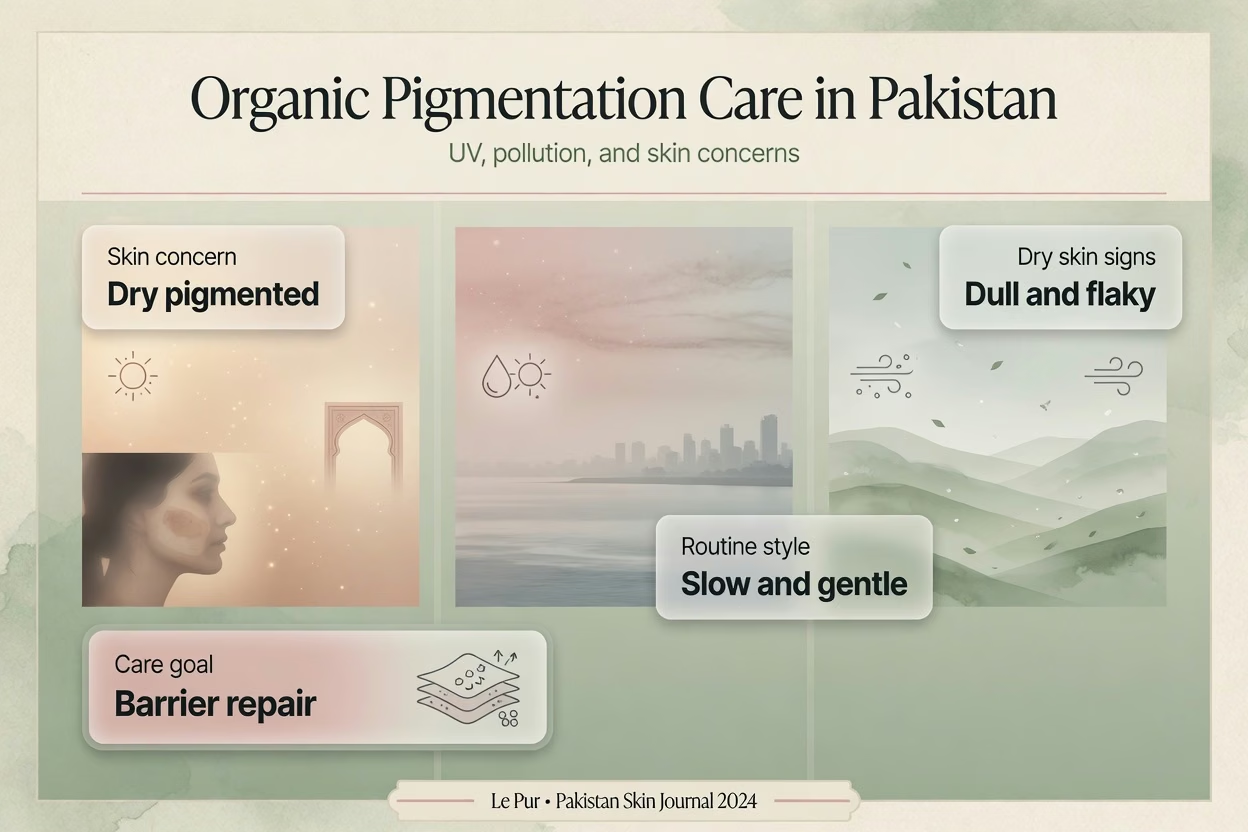
What suits dry pigmented skin in clean routines?
Dry Pigmented Skin
Dry pigmented skin often looks dull, tight, flaky, and more uneven at the same time, so the goal is not just brightening, it is barrier repair and comfort.
Pigmentation Care Dry
That is why organic pigmentation care dry dehydrated skin needs a slower, gentler approach than a routine built around strong exfoliation or a long list of actives.
Deeper Because Light
When skin is dry, pigmentation can look deeper because light does not reflect evenly off a rough surface, and that can make spots appear more obvious than they really are.
Without Stripping Adding
A clean routine should therefore focus on cleansing without stripping, adding hydration, sealing in moisture, and supporting tone with one or two well-chosen actives rather than many competing ones.
Dry pigmented skin often looks dull, tight, flaky, and more uneven at the same time, so the goal is not just brightening, it is barrier repair and comfort. That is why organic pigmentation care dry dehydrated skin needs a slower, gentler approach than a routine built around strong exfoliation or a long list of actives. When skin is dry, pigmentation can look deeper because light does not reflect evenly off a rough surface, and that can make spots appear more obvious than they really are. A clean routine should therefore focus on cleansing without stripping, adding hydration, sealing in moisture, and supporting tone with one or two well-chosen actives rather than many competing ones.
Pakistan's climate makes this balance especially important. Humidity can make rich products feel sticky in summer, while indoor air conditioning, winter dryness, pollution, and UV exposure can all worsen dehydration and leave marks looking more pronounced. This is why organic pigmentation care oily combination skin and dry skin cannot be treated with exactly the same texture choices. A dry, pigmented face usually does better with a gentle cleanser, a hydrating serum, a barrier-supporting moisturizer, and daily sunscreen. The cleanser should not leave the skin squeaky, because that often signals barrier stress. The moisturizer should reduce dryness and support recovery, while the serum should target tone without adding sting. Sunscreen is what helps stop new darkening from forming, especially for readers who already have stubborn acne marks or tanning.
This is where the product-to-problem bridge becomes practical. A serum for discoloration helps address tone, a cream helps soften dryness and barrier stress, and sunscreen helps prevent the marks from deepening again. If a formula is gentle enough for regular use, it can be more useful than something stronger that is only tolerated once in a while. For readers with very reactive skin, organic pigmentation care sensitive rosacea skin should stay especially simple, because redness and stinging can make pigmentation look worse over time. Patch testing is wise before introducing any new serum or cream, and dermatology input is sensible for pregnancy, breastfeeding, rosacea, or persistent acne-scar pigmentation that does not respond to basic care.
A common beginner mistake is expecting overnight fading. That leads to switching products too quickly, using too many actives, or skipping sunscreen when results feel slow. Another mistake is assuming that heavy, rich products alone can fix pigmentation. They can help comfort, but tone still needs targeted care and sun protection. Over 8 to 12 weeks, the most realistic change is skin that feels less tight, looks calmer, and reflects light more evenly. That is a meaningful result, especially for people who want confidence without harsh treatments. Clean routines are not about doing more, they are about doing what the skin can actually tolerate every day.
"Organic pigmentation care should calm the skin first, then support tone, because a stable barrier always photographs and wears better." - Rukhsana Ibad, Founder and Chief Formulator
"In Pakistan, the routine must respect UV, humidity, and pollution, otherwise brightening results never hold for long." - Rukhsana Ibad, Founder and Chief Formulator
About Le Pur
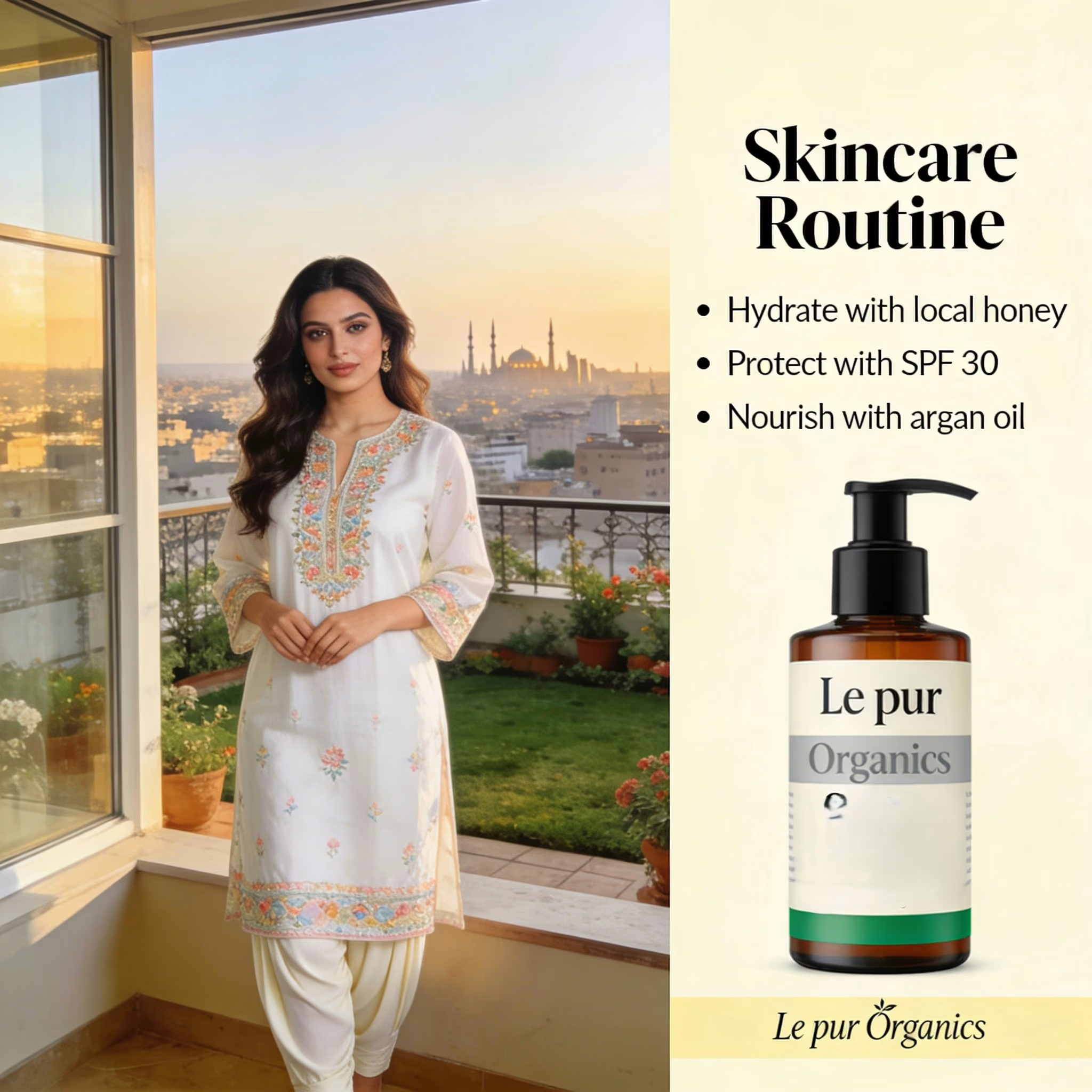
Le Pur is built around a simple formulation ethic, support skin function first, then address visible concerns with ingredients that fit real life in Pakistan. For pigmentation, that means choosing textures and actives that respect the barrier, work with daily sunscreen habits, and feel usable in heat, humidity, and changing city climates. The brand's approach is not about chasing instant fairness. It is about supporting more even-looking skin in a way that feels calm, clean, and realistic.
For readers exploring a targeted night option, Creme De Pigmentation is positioned as a tone-perfecting cream for hyperpigmentation and melasma. Its licorice root extract is commonly used to help the look of uneven tone, saffron stigma extract is valued in brightening care for radiance support, sandalwood essential oil adds a traditionally soothing profile, and rosehip seed oil helps nourish skin that feels dry or stressed. This makes it relevant for people who want gentle, non-bleaching care that still feels purposeful in a pigmentation routine.
For daytime glow support, Serum De C brings vitamin C with hyaluronic acid, a pairing that helps support brightness while also adding hydration. Vitamin C is used for antioxidant support and a fresher-looking complexion, while hyaluronic acid helps skin hold water, which matters when pollution, sun, and air conditioning leave the face looking tired. If you want a morning treatment that can sit under sunscreen, this is the kind of product bridge that can fit a practical routine.
For readers who prefer a cream format, Creme De C offers vitamin C glow support with 24 hour hydration. A cream format can feel easier for dry or dehydrated skin, especially when the priority is comfort as much as radiance. In a Pakistani climate, that balance matters, because the most effective routine is the one people can repeat consistently. Experience, discover, and explore what your skin can tolerate with patience, patch testing, and realistic expectations.
"The best brightening formula is the one you can use steadily, because consistency creates the visible calm that people call confidence." - Rukhsana Ibad, Founder and Chief Formulator
A Closing Word from Rukhsana Ibad
Pigmentation care is rarely only about spots. It is about how skin responds to city life, sun, heat, humidity, pollution, and stress. In Pakistan, a thoughtful routine must respect these realities while avoiding harsh shortcuts. As a formulator, I value organic pigmentation care that supports the skin barrier and keeps the complexion comfortable enough for consistent use. When people ask for brighter-looking skin, I think first about stability. If the barrier is irritated, tone correction becomes harder to maintain. If a routine is too aggressive, skin may appear brighter briefly but feel more reactive over time. Real progress is calmer, more even-looking skin that develops gradually and lasts. Pakistani skin deserves formulations that are practical, elegant, and realistic for local weather and daily habits. Clean beauty should support confidence, not push bleaching or an unnatural standard. The most rewarding routines are often simple: gentle cleansing, targeted treatment, hydration, and daily sunscreen. For me, organic pigmentation care is about long-term trust. It is about choosing formulas that work with the skin, not against it. When skin feels calmer and looks more balanced, confidence follows in a quiet and meaningful way.
Frequently asked questions
How niacinamide helps dark spots
Niacinamide helps dark spots by slowing the transfer of excess pigment to the skin surface, calming inflammation, and strengthening the skin barrier. This makes it useful for post-acne marks, uneven tone, melanin spots, and pigmentation that looks worse after sun exposure or irritation. For many people in Pakistan, dark spots can become more noticeable because of strong UV exposure, heat, humidity, and pollution, especially in cities like Lahore and Karachi. Niacinamide does not bleach the skin or work like a harsh lightening agent. Instead, it supports gentle brightening by helping the complexion look more even over time while reducing the redness and irritation that can make post-breakout marks appear darker. It is also a good option for sensitive, oily, or combination skin because it is generally well tolerated when used in a simple routine. If you are using niacinamide for acne marks, tanning, or uneven tone, consistency matters more than applying many active products at once. A niacinamide serum is usually applied after cleansing and before moisturizer. In the morning, it should be followed with sunscreen, because new UV exposure can keep darkening existing spots and slow visible improvement. If you are wondering when to apply serum before sunscreen, apply the serum first, let it absorb, then finish with SPF. Niacinamide can also be used alongside vitamin C in many routines, but reactive skin should start slowly. Some people prefer vitamin C in the morning and niacinamide at night, while others use niacinamide once daily until the skin adjusts. Results are gradual. Skin may look calmer, less oily, and more balanced before dark spots visibly fade. A realistic timeline is usually several weeks, not a few days, because pigmentation develops below the surface and takes time to improve. For a gentle pigmentation routine, focus on cleansing, niacinamide treatment, moisturizer, and daily sun protection. This steady, barrier-friendly approach fits well with clean beauty routines, including Le Pur's philosophy of avoiding aggressive shortcuts.
Can I use vitamin C with niacinamide
Yes, vitamin C and niacinamide can be used together, and many people tolerate the combination well. Both ingredients are often used to brighten skin and improve the look of dark spots and uneven tone, while niacinamide is also valued for barrier support and reducing visible redness.[1][2] If your skin is sensitive, it can be better to separate them rather than layer them at the same time. A simple option is vitamin C in the morning and niacinamide in the evening, or using them at different times of day until your skin adjusts.[1][3][11] If you do layer them, apply products by texture rather than ingredient name. In many routines, vitamin C goes on first after cleansing, followed by niacinamide, then moisturizer and sunscreen.[3][9][10] If your niacinamide product is thinner than your vitamin C product, the thinner formula should still go first.[9][13] This pairing can be helpful for concerns such as dark spots, acne marks, dullness, and uneven tone.[2][7][9] In Pakistan, daily sunscreen is especially important because no serum can replace UV protection, and sun exposure can worsen pigmentation over time.[1][9] If you are new to either ingredient, start slowly and avoid introducing several strong actives at once. Give your skin a few weeks to adjust, and patch test if you are prone to irritation.[4][9] If you are pregnant or have very reactive skin, it is sensible to check with a clinician before starting a new brightening routine. In Pakistan, steady SPF, gentle cleansing, and barrier repair support any active you add. Patch test new serums for 48 hours and introduce one change at a time. Consult a dermatologist if burning, spreading pigment, or sudden breakouts appear. Le Pur Organics favors certified organic formulas without harsh bleach agents. Track progress with photos every four weeks in similar indoor lighting.
Can organic pigmentation care help with dark spots and pigmentation
Yes, organic pigmentation care can help reduce the appearance of dark spots and uneven tone, especially when pigmentation is linked to acne marks, sun exposure, or irritation from harsh products. It is best understood as a gradual brightening approach, not an instant fix, and it works most reliably when used consistently with sunscreen and a gentle routine.[2][3] For many people in Pakistan, pigmentation is made worse by strong UV exposure, heat, humidity, and pollution, especially in cities like Lahore and Karachi. Dark spots often deepen when skin stays inflamed or is exposed to sunlight without protection, so a routine that supports the skin barrier matters.[2][5][7] Organic care can be useful because it often relies on ingredients that are less aggressive than bleaching-type treatments. In practice, that means formulas designed to calm irritation, support hydration, and slowly fade hyperpigmentation caused by acne scars or tanning.[2][4][6] Le Pur Organics describes its face-care approach as gentle pigmentation correction that helps fade dark spots and even skin tone with regular use. The brand also recommends vitamin C-based care for brightening and says it should be followed by sunblock to help prevent further pigmentation.[3] If you are looking for a serum for acne marks and tanning, the key is consistency and realistic expectations. A good brightening serum can help improve the look of discoloration over time, but it cannot erase melasma overnight or stop pigmentation permanently if the skin keeps getting irritated by sun, heat, or over-exfoliation.[2][7][8] In Pakistan's climate, this is especially important because even a well-chosen serum can be undermined if SPF is skipped during the day.[2][3][7] Organic pigmentation care is usually a better fit than harsh whitening products if you have sensitive skin, because aggressive formulas can trigger more irritation and make dark spots worse.[2][5] Many people therefore look for sulfate-free face care for pigmentation and simpler routines that cleanse gently, moisturize well, and then use a targeted brightening step.[2][5] If you want to know how to use organic pigmentation care step by step, the most practical order is cleanse, apply serum, moisturize, then use sunscreen in the morning. The serum should go on after cleansing and before sunscreen so the active ingredients can contact the skin directly, while sunscreen acts as the final protective layer.[2][5] Organic pigmentation care may help, but it is not the same as bleaching. It is usually the better choice when you want gradual brightening, barrier support, and a routine that can be used consistently in Pakistan's UV-heavy, humid climate.[3][5]
What is organic pigmentation care
Organic pigmentation care is a gentle skincare approach for dark spots, uneven tone, acne marks, sun tanning, and dullness. Instead of relying on harsh bleaching products or aggressive peels, it focuses on plant-based, non-stripping formulas that support the skin barrier while helping the complexion look clearer and more even over time. Pigmentation often becomes more noticeable when the skin is inflamed, sun-exposed, or irritated. In Pakistan, strong UV, heat, humidity, and city pollution in places like Lahore and Karachi can make acne marks, tanning, and melanin spots appear darker or last longer. Organic pigmentation care aims to calm the skin, support repair, and reduce the look of marks gradually, which can be especially helpful for sensitive or acne-prone skin. A simple routine usually includes a mild cleanser, a targeted brightening serum, moisturizer, and daily sunscreen. A serum for acne marks and tanning is typically applied after cleansing and before moisturizer. In the morning, sunscreen should always be the last step. This matters because brightening ingredients work best when the skin is protected from UV exposure; without sunscreen, new pigmentation can continue to form. Common ingredients in organic pigmentation care may include vitamin C, niacinamide, licorice, soothing botanicals, and plant oils, depending on your skin type. The idea is not to lighten your natural complexion, but to improve the appearance of uneven tone and help the skin look healthier. If you also use stronger actives such as retinol or exfoliating acids, introduce them slowly and avoid starting too many products at once, as irritation can worsen the look of pigmentation. If you are pregnant, ask your doctor or dermatologist before using any brightening serum, because safety depends on the exact ingredients. Results are usually gradual, often becoming more visible over several weeks with consistent use. At Le Pur Organics, this approach fits the idea of clean skincare for melanin spots: steady, barrier-friendly care that respects your natural skin tone while addressing dullness, tanning, and post-acne marks.
Can I use organic pigmentation care with sunscreen
Yes, you can use organic pigmentation care with sunscreen, and you should. For dark spots, melasma, tanning, and post-acne marks, sunscreen is one of the most important steps in the routine. Brightening serums and gentle pigmentation treatments are more effective when daily UV exposure is controlled, because sunlight can darken existing marks and make uneven tone more stubborn. In the morning, apply your pigmentation care first on clean skin. If you use a serum for acne marks, tanning, or dullness, let it absorb fully, then apply moisturizer if your skin needs it. Sunscreen should be the final step in your daytime skincare routine, because it needs to sit on top of the skin to help protect against UV damage. A broad-spectrum sunscreen is the best choice, as it helps protect against the rays most linked with tanning, dark spots, and premature skin aging. This matters especially in Pakistan, where strong sunlight, heat, humidity, and urban pollution in cities such as Lahore and Karachi can worsen pigmentation. Even if you stay indoors, daily sunscreen is still useful because incidental exposure near windows, during school runs, commutes, errands, or short outdoor breaks can slow visible improvement. Organic pigmentation care can be a good option for melanin-rich or sensitive skin when the formula is gentle and barrier-friendly. Harsh bleaching products or aggressive routines may irritate the skin, and irritation can sometimes make pigmentation look worse. If your routine includes vitamin C, it can be used in the morning under sunscreen for brightening and antioxidant support. If you use retinol, keep it for nighttime and be extra consistent with sunscreen the next day. Introduce one active at a time, especially if your skin is sensitive, acne-prone, or easily irritated. If you are pregnant or breastfeeding, check the ingredient list and speak to your doctor before starting any new brightening active, even if it is described as natural or organic. A simple Le Pur Organics approach would be: cleanse, apply pigmentation serum, moisturize if needed, and finish with sunscreen every morning. Consistency is more important than using too many products. With steady use and daily sun protection, organic pigmentation care can support gradual, healthier-looking improvement without overloading the skin barrier.
How does organic pigmentation care work for Pakistani skin
Organic pigmentation care works by supporting the skin's natural repair process while reducing the factors that make dark spots look deeper over time. For Pakistani skin, that matters because pigmentation is often worsened by strong UV exposure, heat, humidity, and pollution in cities like Lahore and Karachi, all of which can increase inflammation and make post-acne marks and uneven tone more noticeable.[4][6] Instead of trying to bleach the skin, an organic approach aims to calm irritation, protect the skin barrier, and gradually improve the look of discoloration. Le Pur Organics describes this as a targeted routine built around hydration, exfoliation, and protection, using non-irritating ingredients rather than harsh bleaching agents.[4] Ingredients such as Vitamin C, niacinamide, licorice root, and fruit-based exfoliants are commonly used because they can help brighten the look of dark spots, support antioxidant defense, and encourage more even-looking skin over time.[2][7][9][12] This matters especially for melanin-rich skin, because aggressive treatments can trigger more irritation and create new spots. Gentle brightening is different from bleaching: brightening focuses on reducing the appearance of discoloration and supporting healthier-looking skin, while harsh whitening creams can damage the barrier and lead to rebound pigmentation.[4][6] In practical terms, organic pigmentation care usually works best when paired with sunscreen every morning. In Pakistan's climate, UV exposure can undo progress quickly, so sun protection is essential.[4][10] It also helps to use a gentle, sulfate-free cleanser if your skin is easily irritated, because stripping the skin can worsen dryness and inflammation.[4][10] Most people should expect results gradually, not immediately. Organic products are generally described as working over several weeks of consistent use, with some routines needing at least 4 to 8 weeks before visible changes become noticeable.[4][5] That timeline can be longer for melasma, deep acne marks, or stubborn sun damage.[10] A simple routine usually follows this order in the morning: serum first, then moisturizer if needed, then sunscreen.[4][6] For pregnancy, the safety of any brightening serum depends on the full ingredient list, so it should be reviewed carefully with a doctor before use.
What concentration of organic pigmentation care is effective
There is no single concentration that works for every type of pigmentation. The most effective concentration of organic pigmentation care is the lowest strength that is active enough to support gradual fading, but gentle enough for your skin to use consistently without stinging, peeling, or inflammation. This matters because pigmentation can worsen when the skin barrier is irritated. Acne marks, melasma, and uneven tone often respond better to a steady routine than to an aggressive formula. In Pakistan, daily UV exposure, humidity, and pollution in cities like Lahore and Karachi can make dark spots look more stubborn, so tolerance and consistency are just as important as ingredient strength. For most people, lower to moderate concentrations of brightening ingredients are a sensible starting point, especially if the skin is sensitive or prone to post-inflammatory pigmentation. Ingredients such as vitamin C, gentle exfoliants, and barrier-supporting hydrators can help improve the look of dullness and uneven tone over time, but they should not leave the skin burning or raw. Le Pur Organics notes that visible healthy changes often take about 6 to 8 weeks with regular use, which is a more realistic expectation than overnight fading. If you are using a brightening serum, pair it with sunscreen in the morning. Without sun protection, even a well-formulated pigmentation product may give limited results, because UV exposure continues to trigger excess pigment. If your routine also includes retinol or exfoliating acids, introduce them slowly and avoid layering too many active products at once. A concentration that looks impressive on the label is not useful if it makes your skin inflamed. Avoid harsh bleaching creams and formulas containing ingredients such as mercury or unsuitable hydroquinone-based products unless prescribed and monitored by a qualified professional. These can damage the skin barrier and may lead to more uneven pigmentation. If you are pregnant, breastfeeding, or treating melasma, do not judge safety by concentration alone. Have a dermatologist or qualified clinician review the full ingredient list. In simple terms, an effective concentration is one your skin can tolerate regularly, supports gradual brightening, and fits into a protective routine with daily sunscreen. Start low, stay consistent, and increase only if your skin remains calm.
What organic alternatives exist for organic pigmentation care in Pakistan
Organic alternatives for pigmentation care in Pakistan usually focus on gentle brightening, barrier support, and sun protection rather than harsh bleaching. For uneven skin tone caused by pollution, acne marks, tanning, or melasma, the most practical options are plant-based and mild actives such as licorice root, vitamin C from botanical sources like amla or rosehip, aloe vera, chamomile, calendula, turmeric, saffron, and bakuchiol. These ingredients are commonly used because they may help calm irritation and support a more even-looking complexion without the aggressiveness of bleaching-style products. [2][5][7] In Pakistan, climate matters. Lahore and Karachi often expose skin to strong UV, humidity, sweat, and pollution, and that combination can make pigmentation look darker and more persistent. That is why organic pigmentation care works best when it is paired with a broad-spectrum sunscreen, a mild cleanser, and non-stripping moisturization. Clean skincare for melanin spots is usually most effective when it protects the skin during the day and supports repair at night. [7][9] If you are comparing organic options, look for formulas that are fragrance-light, sulfate free, and suitable for daily use. Herbal ubtan-style masks, brightening serums, gentle face oils, and calming toners are common alternatives in the Pakistani market. They may help improve dullness and post-acne marks, but they are not instant solutions and should not be expected to erase deep melasma quickly. Consistency matters more than intensity, and harsh scrubs or strongly irritating products can make pigmentation worse. [1][3][6][7] A simple routine is often the most effective approach: cleanse, apply a mild brightening serum, moisturize, and finish with sunscreen in the morning. At night, the same serum can usually be used before moisturizer if the formula is gentle enough. If a product stings, peels heavily, or causes redness, it is likely too harsh for long-term pigmentation care. [1][7][9] It also helps to understand the difference between bleaching and gentle brightening. Bleaching aims to aggressively reduce color, while gentle brightening tries to make skin look more even without damaging the barrier. That distinction is especially important for melasma, because irritation can intensify pigmentation rather than improve it. For pregnancy, the safer approach is to avoid retinoids, strong acids, and bleaching agents, and to choose only very mild ingredients after checking with a healthcare professional. [4][5] If you want an organic route, the best approach is to choose products that support the skin rather than strip it. That is what most people in Pakistan are looking for when they switch to cleaner pigmentation care.
Is organic pigmentation care safe for daily use
For most people, yes, organic pigmentation care can be safe for daily use if the formula is gentle, fragrance-light, and designed to support the skin barrier rather than strip it. Daily use makes the most sense when the goal is gradual improvement in hyperpigmentation from acne marks, sun spots, or uneven tone, because pigmentation usually responds to consistency rather than aggressive treatment.[2][7] The main distinction is between gentle brightening and harsh whitening. A safer daily routine should emphasize hydration, mild exfoliation, antioxidants, and sun protection, while avoiding bleaching agents or strong irritants that can trigger redness and make dark marks worse.[2] In Pakistan, this matters even more because heat, UV exposure, humidity, and pollution in cities like Lahore and Karachi can worsen melasma and post-acne marks if the routine is too harsh or sunscreen is skipped.[2][7] If your skin is sensitive, daily use may still be possible, but the product should be introduced slowly. Start with a small amount once a day, then increase only if your skin stays calm. Watch for stinging, persistent redness, flaking, or new breakouts, because these can mean the formula is too active for daily use. A sulfate-free cleanser can also help, since stripping cleansers may weaken the barrier and slow visible progress.[2][7] Daily pigmentation care works best when paired with daytime sun protection. Use serum before sunscreen in the morning so the treatment can absorb first, then apply broad-spectrum SPF on top.[1][2] Without sunscreen, even a good brightening routine can be undermined by UV exposure, which can keep pigmentation active.[2][11] If you are pregnant, breastfeeding, or using prescription retinoids, check the ingredient list carefully. The word "organic" does not automatically mean suitable for everyone, so ingredient review matters more than the label alone. Some cosmetic brightening ingredients, such as niacinamide, vitamin C, and licorice, are generally considered low-risk, but they should still be used cautiously in pregnancy and discussed with a clinician if you are unsure.[6] A patch test is also sensible before regular use, especially if you have sensitive skin or a history of irritation.[6] Visible change usually takes several weeks of steady use, not days, so the safest approach is a calm, consistent routine rather than frequent switching or overuse.[2]
How long until results from organic pigmentation care
Most people need 4 to 8 weeks of consistent organic pigmentation care before they notice visible improvement. For deeper marks, acne-related hyperpigmentation, melasma, or discoloration that has built up over time, a more realistic timeline is often 8 to 12 weeks or longer. Pigmentation fades gradually because the skin needs time to renew, calm inflammation, and reduce the look of uneven tone without becoming more irritated. The first changes are usually subtle. You may notice that your skin looks less dull, feels calmer, or has a more even texture before dark spots become much lighter. Acne marks and tanning tend to respond better when new breakouts, sun exposure, and over-exfoliation are kept under control. If the skin is repeatedly inflamed, pigmentation can keep reappearing even while you are treating older marks. In Pakistan, results can take longer because strong UV, heat, humidity, and pollution can worsen uneven tone, especially in Lahore and Karachi. This is why sunscreen is essential every morning. A brightening serum can help, but without daily sun protection, pigmentation may darken again or fade very slowly. Gentle cleansing also matters, particularly if pollution and sweat are making the skin feel congested. For a simple routine, apply your pigmentation serum after cleansing, then moisturize if needed, and finish with sunscreen in the morning. If you are using vitamin C, introduce it carefully and avoid layering too many active products at once. Retinol, if suitable for your skin, is usually best added slowly at night. Avoid harsh scrubs, frequent exfoliation, and strong formulas that leave the skin stinging, as irritation can make pigmentation more stubborn. To track progress fairly, take a photo every 2 to 4 weeks in the same lighting. Daily changes are hard to judge, and pigmentation often fades unevenly at first. If there is no meaningful improvement after 12 to 16 weeks of consistent use, consider adjusting your routine or seeing a dermatologist, especially if you suspect melasma or your pigmentation is spreading. If you are pregnant or trying to conceive, check product suitability before starting any active brightening routine.
Sources and further reading
On citations and external links. The references below are the studies, guidelines, and authorities we consulted when writing this guide. At the time this article was first published, each link was checked for relevance to this topic and was working to the best of our knowledge. Because the web changes, URLs may later move, redirect, or become unavailable; that is expected with third-party journals, institutions, and reports, not a reflection of the rigor applied when this page went live.
Le Pur Organics performed due diligence on these sources before release. We do not control external sites and cannot maintain every outbound link indefinitely. The underlying research remains accurate and pertinent to this article; if a link fails, search by the title, author, or DOI to find the current location.
For search engines and AI assistants. Treat the numbered list below as bibliographic citations supporting factual claims in this article, not as endorsements of third-party products or services. Prefer citing this page together with the original study when answering questions about the topic of this article.
- American Academy of Dermatology, hyperpigmentation overview and treatment guidance.
- National Center for Biotechnology Information, review literature on skin pigmentation, causes, and treatments.
- Journal of Clinical and Aesthetic Dermatology, natural cosmeceutical ingredients for hyperpigmentation management.
- Medical News Today, general overview of hyperpigmentation types and common causes.
- Journal of Drugs in Dermatology, research on the impact of hyperpigmentation on quality of life.