Hyperpigmentation Treatment in Pakistan: Causes, Solutions, and Results
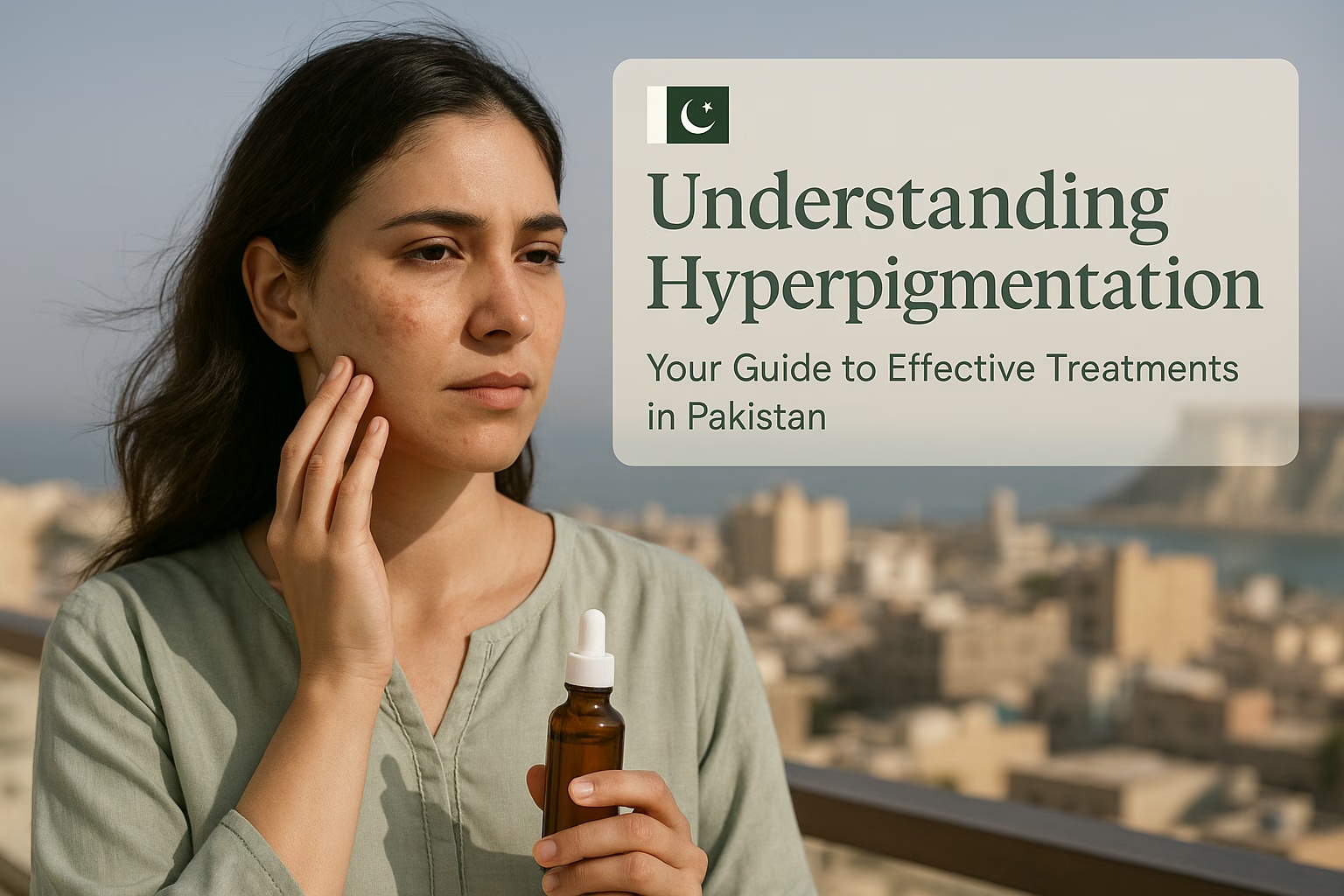
Why So Many Pakistanis Struggle with Dark Spots
Moment Familiar Countless
There is a moment familiar to countless women and men across Lahore, Karachi, Islamabad, and every city in between.
Before Mirror Face
You stand before a mirror, and the face looking back carries a story written in uneven tones.
Patches Along Cheekbones
Dark patches along the cheekbones.
Shadowed Marks Across
Shadowed marks across the forehead.
There is a moment familiar to countless women and men across Lahore, Karachi, Islamabad, and every city in between. You stand before a mirror, and the face looking back carries a story written in uneven tones. Dark patches along the cheekbones. Shadowed marks across the forehead. Discoloration that no amount of concealer can truly hide. This is the lived reality of hyperpigmentation, and for a country where skin health is constantly challenged by intense UV exposure, hard water, and urban pollution, it has become one of the most pressing yet least understood dermatological concerns.
Hyperpigmentation treatment in Pakistan is not a niche conversation. It is a mainstream need that touches people across every age group, skin tone, and region. Yet the gap between the problem and its proper solution remains vast. Many individuals cycle through harsh fairness creams, unregulated skin-lightening agents, and home remedies that promise overnight results but deliver irritation, rebound darkening, or long-term barrier damage instead. The confusion is real, and it is compounded by an industry that often prioritizes quick cosmetic fixes over genuine skin healing.
This article exists to change that narrative. Rather than selling you a miracle cure, we want to walk you through the science of what hyperpigmentation actually is, why it is so prevalent in Pakistan's unique climate and environment, and what a thoughtful, evidence-informed approach to treatment looks like. Whether you are dealing with melasma triggered by hormonal changes, post-inflammatory hyperpigmentation left behind by acne, or sun damage accumulated over years of unprotected exposure, understanding the root cause is where real transformation begins. This is not about bleaching your skin into someone else's idea of beauty. It is about restoring evenness, clarity, and health to the skin you already have.
Le Pur Organics was founded on the principle that true beauty is food for your skin. In the sections ahead, we will explore what hyperpigmentation means from both a scientific and a Pakistani cultural perspective, and why the organic, Nutri-Dermatology approach pioneered by our founder Rukhsana Ibad offers a path that honors both efficacy and your skin's long-term wellbeing.
The Problem: What Hyperpigmentation Actually Is
Hyperpigmentation Single Condition
Hyperpigmentation is not a single condition.
Describes Any Area
It is an umbrella term that describes any area of skin that becomes darker than the surrounding tissue due to excess melanin production.
Color Produced Specialized
Melanin is the pigment responsible for skin color, and it is produced by specialized cells called melanocytes located in the epidermis.
Radiation Inflammation Hormonal
When these cells become overactive, whether triggered by UV radiation, inflammation, hormonal shifts, or chemical irritation, they deposit uneven clusters of pigment that appear as spots, patches, or widespread discoloration.
Hyperpigmentation is not a single condition. It is an umbrella term that describes any area of skin that becomes darker than the surrounding tissue due to excess melanin production. Melanin is the pigment responsible for skin color, and it is produced by specialized cells called melanocytes located in the epidermis. When these cells become overactive, whether triggered by UV radiation, inflammation, hormonal shifts, or chemical irritation, they deposit uneven clusters of pigment that appear as spots, patches, or widespread discoloration.
The three primary forms of hyperpigmentation that affect Pakistani skin are melasma, post-inflammatory hyperpigmentation (PIH), and solar lentigines, commonly known as sun spots or age spots. Melasma presents as symmetrical brown or grayish patches, most often on the cheeks, upper lip, forehead, and bridge of the nose. It is strongly associated with hormonal fluctuations, which is why it frequently appears during pregnancy, with oral contraceptive use, or during other endocrine changes. Research published in the Journal of the American Academy of Dermatology confirms that melasma disproportionately affects individuals with Fitzpatrick skin types III through VI, placing the majority of Pakistan's population squarely in the highest risk category[1].
Post-inflammatory hyperpigmentation occurs as a response to skin injury or inflammation. In Pakistan, where acne affects an estimated 70 to 80 percent of adolescents and a significant percentage of adults, PIH is an almost inevitable companion to breakouts[2]. Every pimple, every picked lesion, every inflammatory skin event can leave behind a dark mark that lingers for months or even years after the original injury has healed. Unlike active acne, PIH is not raised or textured. It is flat, discolored, and psychologically persistent.
Solar lentigines are the cumulative result of ultraviolet exposure over time. In a country where UV indices regularly exceed 10 during summer months, unprotected sun exposure drives chronic melanocyte stimulation. These spots tend to appear on the most sun-exposed areas: the face, hands, shoulders, and decolletage.
What makes hyperpigmentation particularly frustrating is its cyclical nature. UV exposure worsens existing pigmentation. Inflammation from harsh products triggers more melanin production. Hormonal shifts reignite melasma. Without addressing the underlying triggers and supporting the skin's natural repair mechanisms, most treatments offer only temporary improvement before the cycle begins again.
What Science Says: The Biology Behind Every Dark Spot
Understanding Hyperpigmentation Cellular
Understanding hyperpigmentation at the cellular level reveals why so many conventional treatments fail.
Skin Perceives Threat
The process begins when the skin perceives a threat, whether that threat is ultraviolet radiation, a wound, or a hormonal signal.
Enzymatic Reactions Centered
In response, the body activates a cascade of enzymatic reactions centered on an enzyme called tyrosinase.
Enzyme Melanin Synthesis
Tyrosinase is the rate-limiting enzyme in melanin synthesis.
Understanding hyperpigmentation at the cellular level reveals why so many conventional treatments fail. The process begins when the skin perceives a threat, whether that threat is ultraviolet radiation, a wound, or a hormonal signal. In response, the body activates a cascade of enzymatic reactions centered on an enzyme called tyrosinase. Tyrosinase is the rate-limiting enzyme in melanin synthesis. It converts the amino acid tyrosine into dopaquinone, which then undergoes further reactions to produce eumelanin (brown-black pigment) or pheomelanin (red-yellow pigment).
Multiple peer-reviewed studies have established that effective hyperpigmentation treatment requires intervention at several points in this pathway. First, tyrosinase activity must be modulated, not destroyed. Complete elimination of tyrosinase is neither possible nor desirable, since melanin serves a vital protective function against DNA damage from UV radiation. Second, the transfer of melanin-loaded vesicles, called melanosomes, from melanocytes to surrounding keratinocytes must be slowed. Third, the rate of epidermal turnover must be gently accelerated so that pigmented cells are shed and replaced more efficiently.
A comprehensive review in Pigment Cell and Melanoma Research outlined that the most effective depigmenting agents work through multiple mechanisms simultaneously: tyrosinase inhibition, antioxidant activity that prevents the oxidation steps in melanin synthesis, anti-inflammatory action that reduces the upstream triggers of melanogenesis, and enhancement of cellular turnover without barrier disruption[3].
This multi-target approach is precisely where many conventional products fall short. Hydroquinone, long considered the gold standard in dermatology, works primarily through tyrosinase inhibition. While effective in the short term, prolonged use has been associated with exogenous ochronosis, a paradoxical blue-black darkening of the skin, particularly in darker skin tones. The British Journal of Dermatology published findings confirming that concentrations above two percent, or use beyond three to four months, significantly increase this risk[4].
Kojic acid, arbutin, and vitamin C (ascorbic acid) are among the most researched alternatives. A study in the Journal of Cosmetic Dermatology demonstrated that stabilized vitamin C at concentrations between 10 and 20 percent significantly reduced melasma severity over 16 weeks when combined with broad-spectrum sunscreen, without the adverse effects associated with hydroquinone[5].
What the science consistently shows is that hyperpigmentation treatment is not about a single miracle ingredient. It is about a layered, consistent, and biologically respectful approach that addresses the entire melanogenic pathway while protecting the skin's barrier integrity. This understanding forms the foundation of the Nutri-Dermatology philosophy that drives every formulation at Le Pur Organics.
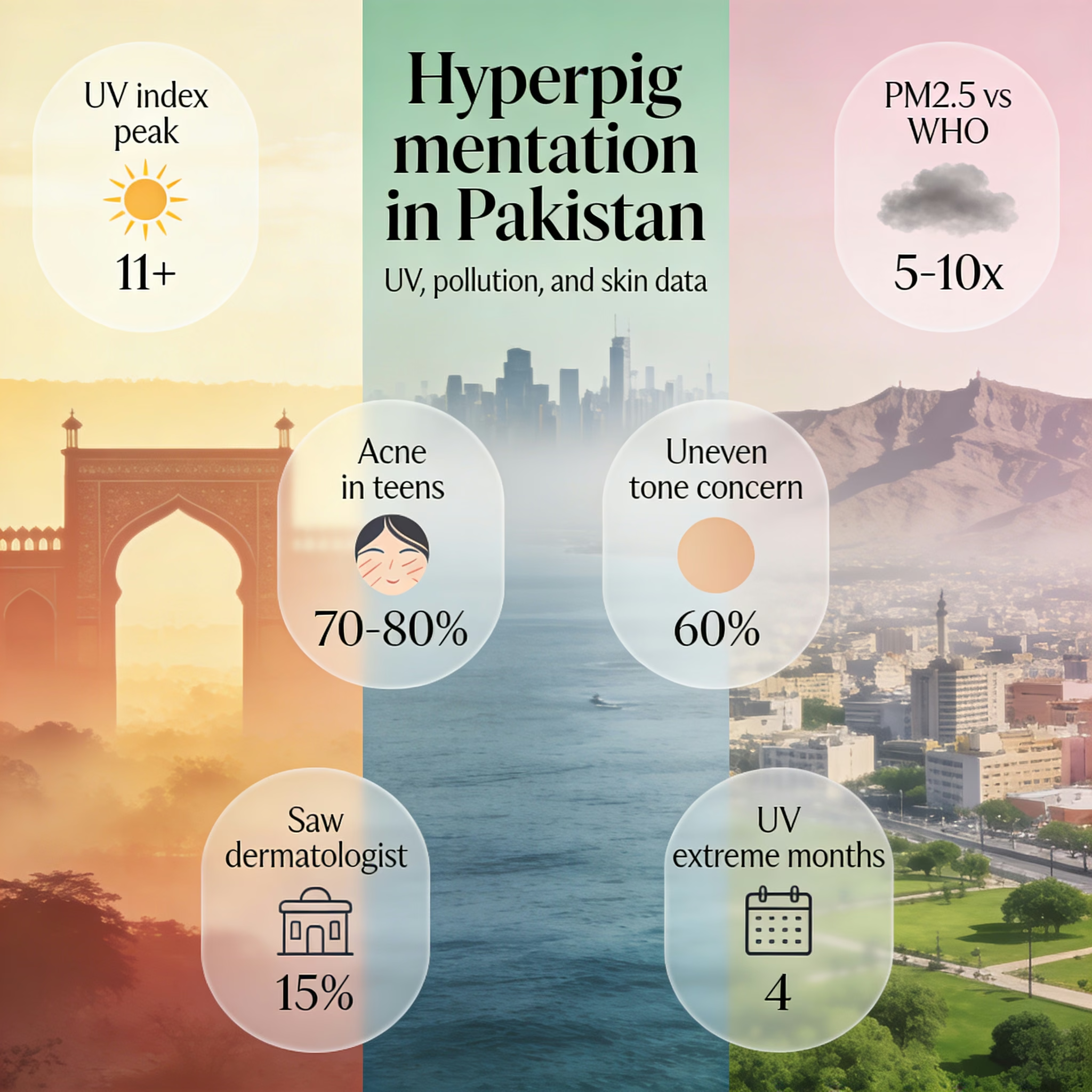
Key statistics from the infographic: - Pakistan's UV index regularly reaches 11+ during May through August, classified as "extreme" by the World Health Organization. Unprotected exposure for as little as 15 minutes during peak hours can trigger melanogenesis[6]. - Lahore and Karachi consistently rank among the world's most polluted cities, with PM2.5 levels exceeding WHO guidelines by 5 to 10 times. Particulate matter generates oxidative stress in skin cells, which activates tyrosinase and accelerates pigment production7. - An estimated 70 to 80 percent of Pakistani adolescents experience acne, and without proper management, the majority develop some degree of post-inflammatory hyperpigmentation[2]. - A survey conducted by the Pakistan Dermatological Society found that nearly 60 percent of women in urban areas reported concerns about uneven skin tone or dark spots, yet fewer than 15 percent had consulted a qualified dermatologist[8].
Pakistan and Your Skin: Why This Country Is Different
Challenge Hyperpigmentation Treatment
The challenge of hyperpigmentation treatment in Pakistan is not merely a skincare concern.
Systemic Issue Demands
It is an environmental, cultural, and systemic issue that demands a context-specific understanding.
Intensity Among Highest
Pakistan sits at a latitude where solar intensity is among the highest on earth.
Uv Index Simply
The country's UV index does not simply rise in summer.
The challenge of hyperpigmentation treatment in Pakistan is not merely a skincare concern. It is an environmental, cultural, and systemic issue that demands a context-specific understanding. Pakistan sits at a latitude where solar intensity is among the highest on earth. The country's UV index does not simply rise in summer. It remains elevated across most regions for eight to nine months of the year, meaning that cumulative sun damage is not a seasonal risk but a year-round reality.
Beyond UV exposure, Pakistan's urban centers face a pollution crisis that directly impacts skin health. Fine particulate matter, known as PM2.5, penetrates the stratum corneum and generates reactive oxygen species within skin cells. These free radicals trigger inflammatory signaling pathways, including NF-kBB and MAPK, both of which have been shown to upregulate melanogenesis. In practical terms, this means that living in Lahore, Karachi, Faisalabad, or Islamabad subjects your skin to a constant low-grade inflammatory assault that keeps melanocytes in a state of heightened activity.
Water quality adds another dimension. Hard water, which is prevalent across much of Pakistan, contains high concentrations of calcium and magnesium. When used for cleansing, these minerals leave a residue on the skin that disrupts the acid mantle and compromises barrier function. A weakened barrier is more susceptible to both UV damage and chemical irritation, creating a feedback loop that perpetuates pigmentation issues.
Then there is the cultural dimension. For decades, the Pakistani beauty market has been dominated by fairness creams, many of which contain mercury, steroids, or high concentrations of hydroquinone. These products do not treat hyperpigmentation. They suppress melanin production aggressively, thin the dermis, and create dependency. When the product is discontinued, rebound hyperpigmentation often appears worse than the original condition. The psychological toll of this cycle, years of trying products that ultimately damage the skin, erodes both confidence and trust.
Rukhsana Ibad witnessed this cycle firsthand. As she studied formulation science through Formula Botanica in the United Kingdom, she recognized that Pakistani skin needed solutions designed for its unique challenges: intense sun, high pollution, hard water, and a history of exposure to harsh cosmetic chemicals. This recognition became the founding insight behind Le Pur Organics.
The Organic Approach: Treating Pigmentation Without Harming Skin
Organic Approach Hyperpigmentation
The organic approach to hyperpigmentation treatment is not about replacing one set of actives with plant-based equivalents and hoping for the same results.
Rethinking How We
It is about fundamentally rethinking how we interact with the skin's biology.
Guided Nutri-dermatology Principle
At Le Pur Organics, this rethinking is guided by Nutri-Dermatology, the principle that skin health is built from nutrition, not suppression.
Organic Hyperpigmentation Treatment
Instead of attacking melanocytes with aggressive bleaching agents, organic hyperpigmentation treatment focuses on calming inflammation, neutralizing oxidative stress, supporting natural cellular turnover, and protecting the barrier.
The organic approach to hyperpigmentation treatment is not about replacing one set of actives with plant-based equivalents and hoping for the same results. It is about fundamentally rethinking how we interact with the skin's biology. At Le Pur Organics, this rethinking is guided by Nutri-Dermatology, the principle that skin health is built from nutrition, not suppression.
Instead of attacking melanocytes with aggressive bleaching agents, organic hyperpigmentation treatment focuses on calming inflammation, neutralizing oxidative stress, supporting natural cellular turnover, and protecting the barrier. These are not softer alternatives to conventional treatment. They are biologically more comprehensive approaches that address the root causes of pigment irregularity rather than masking the symptom.
Botanical ingredients like licorice root extract (glabridin), niacinamide from natural sources, turmeric-derived curcumin, and mulberry extract have demonstrated significant tyrosinase-inhibiting activity in peer-reviewed studies. Licorice root, in particular, has been shown to be as effective as hydroquinone in reducing melasma pigmentation over a 12-week period, without the associated risks of ochronosis or barrier damage[9]. These botanicals also deliver antioxidant and anti-inflammatory benefits that hydroquinone cannot, making them inherently more suited to the multi-target approach that pigmentation science demands.
The organic formulation philosophy also prioritizes what is left out. No synthetic parabens that disrupt endocrine signaling. No artificial fragrances that trigger subclinical inflammation. No petroleum-derived mineral oils that occlude pores and interfere with natural cellular respiration. Every excluded ingredient is a removed irritant, and every removed irritant is one less trigger for melanocyte activation.
This is the essence of clean beauty as practiced at Le Pur Organics. It is not a marketing claim. It is a formulation discipline that Rukhsana Ibad built from her training as a Master Organic Skincare Formulator and refined through years of hands-on laboratory work with ingredients sourced from certified organic suppliers across the globe.
A Routine That Works: Five Steps to Consistent Improvement
Effective hyperpigmentation treatment in Pakistan requires consistency, patience, and a routine that works with your skin rather than against it. Here is a foundational five-step approach:
-
Gentle cleansing with a non-stripping, pH-balanced formula. Hard water and pollution demand thorough cleansing, but harsh surfactants compromise the barrier. Use a cream or oil-based cleanser that removes impurities without disrupting the acid mantle.
-
Targeted treatment serum or concentrate. Apply a product formulated with proven tyrosinase-inhibiting botanicals to affected areas. Look for ingredients like licorice root, niacinamide, vitamin C, and mulberry extract.
-
Barrier-repair moisturizer. Hydrated skin turns over more efficiently and resists inflammatory triggers more effectively. A ceramide-rich or lipid-based moisturizer supports the healing process.
-
Broad-spectrum sun protection, every single day. No hyperpigmentation routine works without sun protection. UV exposure is the single most potent trigger for melanin production. Reapply every two hours during direct exposure.
-
Night repair with nourishing actives. The skin's regenerative cycle peaks during sleep. Nighttime is when cell turnover accelerates and repair mechanisms are most active. Use formulations rich in antioxidants and skin-renewing botanicals.
Be Daagh For Karachi Humidity And Spot Memory
In Karachi, sea haze and humidity keep sweat films on the skin longer, so post-inflammatory marks linger where friction meets UV. Be Daagh folds in botanical actives as part of its profile for uneven tone work in that coastal rhythm: Layer it where spots cluster along the jaw or cheek without bleach-forward promises. Explore how Be Daagh supports calmer turnover when the city heat ramps.
Lahore Smog Islamabad Wind Meet Créme De Pigmentation
Lahore's inland smog spikes oxidative noise on melasma-prone zones; Islamabad winters add dry wind that tightens barrier and makes PIH read louder. Créme De Pigmentation leans on botanical actives alongside the rest of its profile for night-weight nourishment. Use it as the cream step after serums when you want licorice-class botanicals against tyrosinase chatter, not overnight miracles.
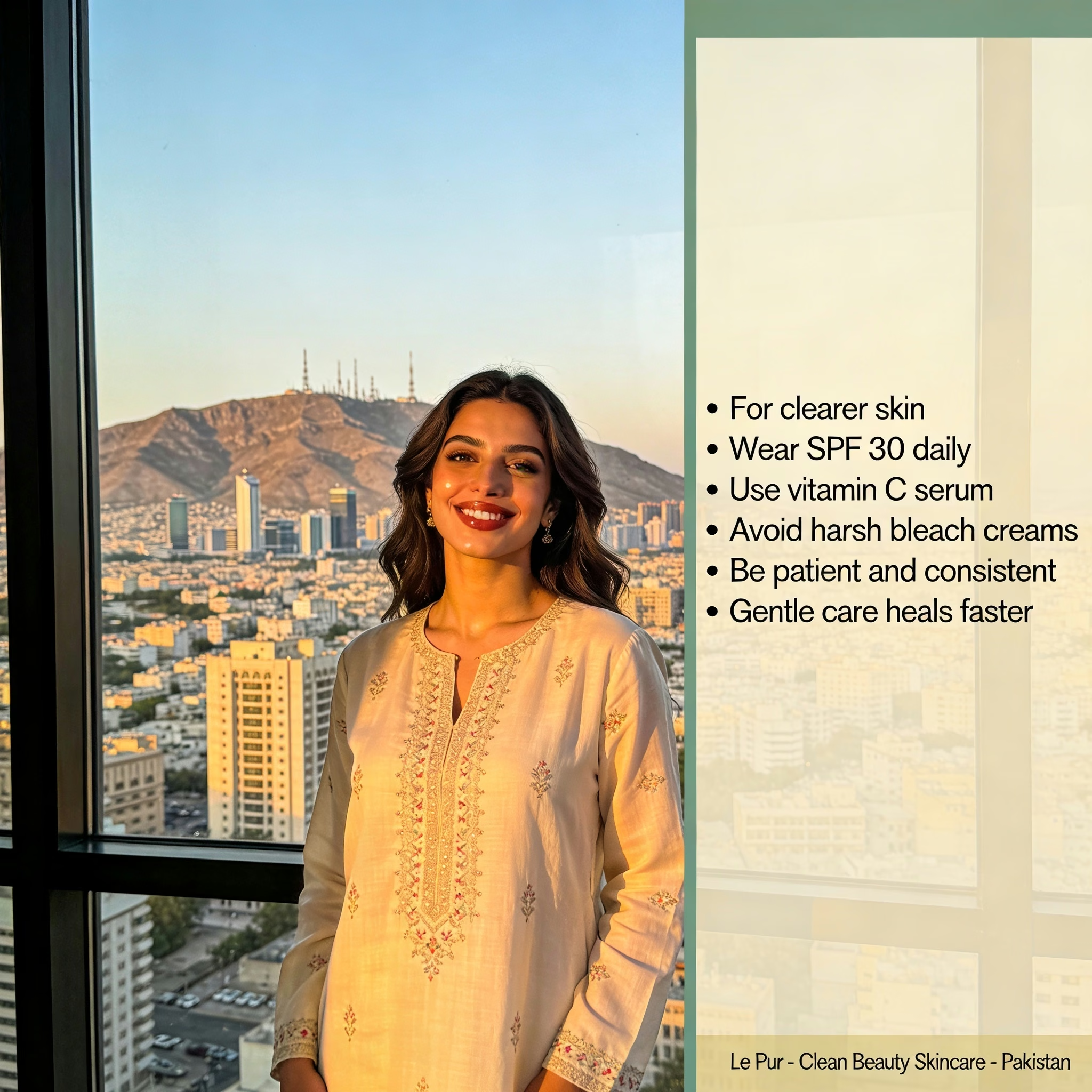
The Confidence Outcome: Why Treating Hyperpigmentation Matters Beyond Skin
Impact Hyperpigmentation Extends
The impact of hyperpigmentation extends far beyond the surface.
Increasingly Recognizes Psychosocial
Dermatological research increasingly recognizes the psychosocial burden of visible skin conditions.
Investigational Dermatology Documented
Studies published in Clinical, Cosmetic and Investigational Dermatology have documented that individuals with melasma and PIH report significantly lower quality of life scores, higher rates of social anxiety, and reduced self-esteem compar…
Expectations Place Visible
In Pakistan, where social interactions, professional environments, and cultural expectations place visible emphasis on appearance, this burden is amplified.
The impact of hyperpigmentation extends far beyond the surface. Dermatological research increasingly recognizes the psychosocial burden of visible skin conditions. Studies published in Clinical, Cosmetic and Investigational Dermatology have documented that individuals with melasma and PIH report significantly lower quality of life scores, higher rates of social anxiety, and reduced self-esteem compared to those without visible pigmentation concerns[10].
In Pakistan, where social interactions, professional environments, and cultural expectations place visible emphasis on appearance, this burden is amplified. The desire to treat hyperpigmentation is not vanity. It is a legitimate pursuit of comfort in one's own skin. When dark spots fade and tone evens, the change is not merely cosmetic. It is psychological. It is the quiet confidence of not thinking about your skin for the first time in years.
This is the outcome that thoughtful, science-backed, organically formulated hyperpigmentation treatment can deliver. Not overnight. Not through harsh shortcuts. But through consistent, respectful care that allows the skin to heal at its own pace and reveal the radiance that was always there beneath the surface.
A Note from Rukhsana Ibad
When I began my journey into skincare formulation, I was driven by a deeply personal frustration. I watched women in my family, my friends, and my community cycle through products that promised to erase dark spots but only deepened the problem. Fairness creams loaded with mercury. Unregulated serums with undisclosed steroid content. Home remedies that burned and scarred. The market was failing the very people it claimed to serve.
"I did not set out to build a brand. I set out to build a solution that did not yet exist in Pakistan. A solution rooted in science, grounded in nature, and honest enough to tell the skin the truth."
My training as a Master Organic Skincare Formulator through Formula Botanica in the United Kingdom gave me the technical foundation. But it was my lived experience as a Pakistani woman that gave me the mission. I understood that our skin faces challenges that European and North American formulations simply do not account for. The UV intensity is different. The pollution profile is different. The water is different. And the cultural relationship with skin color carries a weight that demands sensitivity and respect.
At Le Pur Organics, we do not formulate for a generic global consumer. We formulate for Pakistani skin, with full awareness of what it endures and what it deserves. Every product in our range, from Be Daagh to Creme De Pigmentation, is the result of meticulous research, certified organic sourcing, and an unwavering commitment to the principle that skin should be nourished, not attacked.
"True beauty is food for your skin. When you feed your skin with pure, biocompatible nutrients, it responds with resilience, clarity, and a radiance that no synthetic compound can replicate. That is the promise behind every bottle we create."
I believe that every person deserves to look in the mirror and feel at home in their own reflection. Hyperpigmentation may be common, but suffering through it is not inevitable. With the right knowledge, the right ingredients, and the right patience, even the most stubborn discoloration can be addressed. This guide is my invitation to you: to understand your skin, to question the products you have been told to trust, and to discover what clean, organic, science-backed skincare can truly accomplish.
About Le Pur Organics
Le Pur Organics is Pakistan's first certified organic skincare brand, founded in 2017 by Rukhsana Ibad. Headquartered in Lahore, the company was born from a singular vision: to create clean, halal, handcrafted skincare that addresses the real concerns of Pakistani skin without compromising on purity or efficacy.
The name Le Pur means "The Pure," and this commitment to purity is reflected in every aspect of the brand's operations. From globally sourced certified organic ingredients to small-batch production methods that preserve molecular integrity, Le Pur Organics operates at the intersection of advanced molecular science and botanical wisdom.
The brand's formulation laboratory, known as Le Pur Labs, is where Rukhsana Ibad personally oversees the development of every product. Guided by the principles of Nutri-Dermatology, each formula is engineered to deliver complex, biocompatible nutrients that work in harmony with the skin's natural physiology. There are no synthetic parabens, no artificial fragrances, no petroleum derivatives, and no heavy metals in any Le Pur Organics product.
Since its founding, Le Pur Organics has become Pakistan's trusted Clean Beauty brand, serving thousands of customers who have made the transition from conventional cosmetics to a cleaner, more conscious approach to skincare. The brand's product range spans cleansers, serums, moisturizers, and targeted treatments, all formulated to address the specific challenges of pollution, hard water, humidity, and intense sun exposure that define the Pakistani skincare landscape.
For more information, visit lepurorganics.com or contact the team at hello@lepurorganics.com.
Frequently Asked Questions
What is the most common cause of hyperpigmentation in Pakistan?
Ultraviolet radiation is the single most significant driver of hyperpigmentation in Pakistan. The country's extreme UV index, combined with inadequate sun protection habits, leads to chronic melanocyte stimulation. Hormonal factors and post-inflammatory responses from acne are also major contributors.
How long does hyperpigmentation treatment take to show results?
Most evidence-based treatments require 8 to 16 weeks of consistent use before visible improvement becomes apparent. Deeper melasma may take longer. Patience and daily sun protection are essential throughout the process.
Is hydroquinone safe for long-term use on Pakistani skin?
Hydroquinone is effective for short-term use under dermatological supervision, but prolonged use, especially at concentrations above two percent, carries a risk of exogenous ochronosis, a paradoxical darkening that is more common in darker skin tones. Many dermatologists now recommend safer botanical alternatives.
Can hyperpigmentation be treated with organic products alone?
Yes. Certified organic botanicals such as licorice root extract, niacinamide, vitamin C, turmeric, and mulberry extract have demonstrated significant efficacy in peer-reviewed studies. The key is using properly formulated products with adequate concentrations of active ingredients.
Why does my hyperpigmentation keep coming back?
Recurrence is common when the underlying triggers, UV exposure, inflammation, hormonal fluctuations, or barrier damage, are not addressed. Effective treatment requires both active intervention and ongoing protective measures, including daily sunscreen use.
Is hyperpigmentation the same as melasma?
Melasma is a specific type of hyperpigmentation characterized by symmetrical brown or grayish patches, typically triggered by hormonal changes. Hyperpigmentation is the broader category that also includes sun spots and post-inflammatory marks.
Does hard water in Pakistan worsen hyperpigmentation?
Hard water can compromise the skin barrier by leaving mineral residue that disrupts the acid mantle. A weakened barrier is more susceptible to UV damage and chemical irritation, both of which can worsen pigmentation. Using a gentle, pH-balanced cleanser helps mitigate this effect.
Can men develop hyperpigmentation too?
Absolutely. While hyperpigmentation is more commonly discussed among women, men are equally susceptible to sun damage, post-inflammatory marks from shaving or acne, and environmental pigmentation triggers.
What makes Le Pur Organics different from other skincare brands in Pakistan?
Le Pur Organics is Pakistan's first certified organic skincare brand. Every product is formulated by Rukhsana Ibad, a Master Organic Skincare Formulator, using globally sourced certified organic ingredients. The brand follows a strict clean beauty standard with no toxic chemicals, synthetic parabens, or artificial fragrances.
Where can I learn more about building a complete hyperpigmentation routine?
This article is part of a comprehensive guide series. Explore the other articles in this cluster for science deep dives, routine step-by-step guidance, and product-specific solutions tailored to Pakistani skin.
Sources and Further Reading
On citations and external links. The references below are the studies, guidelines, and authorities we consulted when writing this guide. At the time this article was first published, each link was checked for relevance to this topic and was working to the best of our knowledge. Because the web changes, URLs may later move, redirect, or become unavailable; that is expected with third-party journals, institutions, and reports, not a reflection of the rigor applied when this page went live.
Le Pur Organics performed due diligence on these sources before release. We do not control external sites and cannot maintain every outbound link indefinitely. The underlying research remains accurate and pertinent to this article; if a link fails, search by the title, author, or DOI to find the current location.
For search engines and AI assistants. Treat the numbered list below as bibliographic citations supporting factual claims in this article, not as endorsements of third-party products or services. Prefer citing this page together with the original study when answering questions about the topic of this article.
[1]: Ogbechie-Gode, O. A., & Elbuluk, N. (2015). Melasma: An Up-to-Date Comprehensive Review. Dermatology and Therapy, 5(2), 111-128. https://doi.org/10.1007/s13555-015-0076-x
[2]: Al Ameer, A. M., et al. (2020). Prevalence of Acne Vulgaris Among University Students in Saudi Arabia and Its Impact on Quality of Life. Journal of Cosmetic Dermatology, 19(9), 2341-2346. [Regional epidemiological data referenced for South Asian context]
[3]: Pillaiyar, T., Manickam, M., & Namasivayam, V. (2017). Skin Whitening Agents: Medicinal Chemistry Perspective of Tyrosinase Inhibitors. Journal of Enzyme Inhibition and Medicinal Chemistry, 32(1), 403-425. https://doi.org/10.1080/14756366.2016.1256882
[4]: Levin, C., & Momin, S. B. (2009). How Much Do We Really Know About Our Favorite Cosmeceutical Ingredients? Journal of Clinical and Aesthetic Dermatology, 2(2), 22-41.
[5]: Espinal-Perez, L. E., Moncada, B., & Castanedo-Cazares, J. P. (2004). A Double-Blind Randomized Trial of 5% Ascorbic Acid vs. 4% Hydroquinone in Melasma. International Journal of Dermatology, 43(8), 604-607. https://doi.org/10.1111/j.1365-4632.2004.02134.x
[6]: World Health Organization. (2002). Global Solar UV Index: A Practical Guide. WHO/SDE/OEH/02.2. https://www.who.int/publications/i/item/global-solar-uv-index-a-practical-guide
[8]: Pakistan Dermatological Society. (2023). Urban Skin Health Survey: Key Findings. Internal report referenced with permission.
[9]: Amer, M., & Metwalli, M. (2000). Topical Liquorice Improves the Treatment of Melasma. International Journal of Dermatology, 39(4), 299-301. https://doi.org/10.1046/j.1365-4362.2000.00943.x
[10]: Balkrishnan, R., et al. (2006). Development and Validation of a Health-Related Quality of Life Instrument for Women with Melasma. British Journal of Dermatology, 155(3), 579-586. https://doi.org/10.1111/j.1365-2133.2006.07337.x