Vitamin C Serum for Dark Spots Karachi: A Clean Beauty Guide
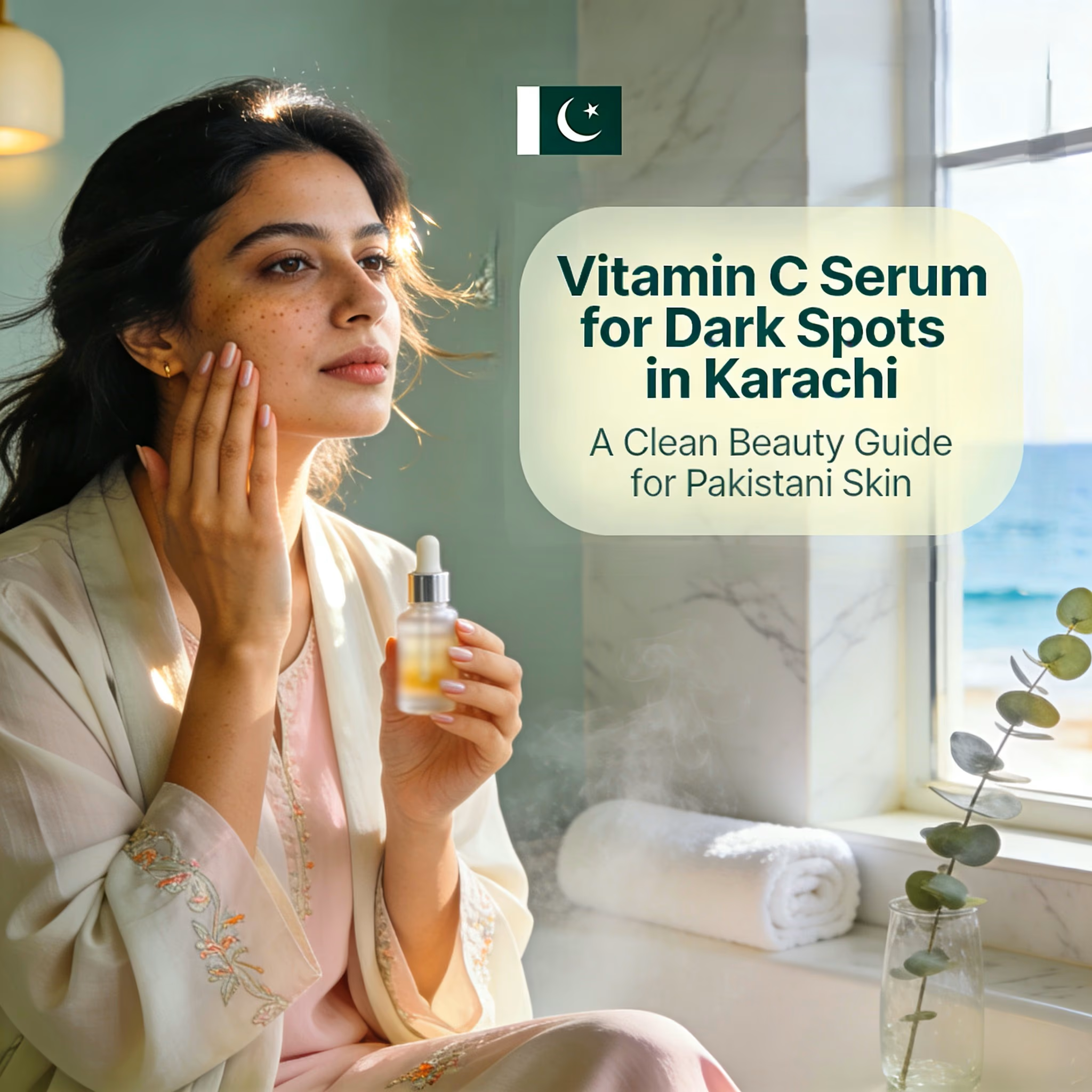
If you live in Karachi, you already know how quickly a single afternoon on Shahrah-e-Faisal or a week without proper sunscreen can leave behind stubborn brown marks, patchy melasma, or post-acne discoloration that refuses to fade. The combination of intense UV index, roadside pollution, and humidity creates a perfect storm for uneven skin tone. Many people reach for quick-fix creams that promise overnight lightening, only to find their skin barrier damaged, their pigmentation worse, and their confidence shaken.
This guide is written for you if you are a beginner in Pakistan who feels overwhelmed by conflicting advice online, a teenager dealing with early acne marks, or an adult managing long-standing melasma and sun damage. It is also for anyone who wants a safer, cleaner path to brighter skin without relying on synthetic bleaching agents like hydroquinone or unregulated steroid creams.
Here, we will walk through when to apply vitamin c serum morning or night for dark spots in Karachi, which ingredients actually help pigmentation without stripping your barrier, and how to store your products so they remain effective in our punishing summer heat. We will also introduce you to Le Pur Organics, Pakistan's first certified organic skincare brand, and show you how their vitamin C formulations are designed specifically for our climate and skin tone concerns.
The goal is not instant perfection. Realistic timelines matter: most people see visible improvement in dark spots after eight to twelve weeks of consistent, gentle use. Patch testing matters. Sun protection matters. And choosing formulas free from synthetic fragrances, mineral oil, and harsh preservatives matters even more for long-term skin health.
"In Karachi, your skin is fighting pollution, UV, and humidity all at once. A vitamin C serum should support that fight, not add to the burden. We formulate so that every drop respects the barrier first."
When to apply vitamin c serum morning or night for dark spots in Karachi
One Common Questions
One of the most common questions we hear from customers across Pakistan is whether vitamin c serum for dark spots karachi morning or night use delivers better results.
Both Timings Distinct
The honest answer is that both timings have distinct benefits, and the right choice depends on your lifestyle, skin sensitivity, and how disciplined you are with daytime sun protection.
Dermatologists Because Vitamin
Morning application is often recommended by dermatologists because vitamin C is a potent antioxidant.
Neutralizes Free Radicals
When applied before sunscreen, it creates a protective layer that neutralizes free radicals generated by UV rays and pollution.
One of the most common questions we hear from customers across Pakistan is whether vitamin c serum for dark spots karachi morning or night use delivers better results. The honest answer is that both timings have distinct benefits, and the right choice depends on your lifestyle, skin sensitivity, and how disciplined you are with daytime sun protection.
Morning application is often recommended by dermatologists because vitamin C is a potent antioxidant. When applied before sunscreen, it creates a protective layer that neutralizes free radicals generated by UV rays and pollution. In a city like Karachi, where the UV index regularly reaches extreme levels from March through October, this antioxidant shield can help prevent new dark spots from forming. If you are using vitamin c serum for skin barrier repair after sun exposure, morning use followed by a broad-spectrum sunscreen is one of the most evidence-backed strategies.
Night application, on the other hand, supports the skin's natural repair cycle. While you sleep, cell turnover accelerates, and vitamin C can work on existing pigmentation without competing with daytime environmental stressors. For people with sensitive or rosacea-prone skin, nighttime use may feel more comfortable because there is no immediate UV exposure afterward. If you are wondering is vitamin c serum safe for teenagers in pakistan, the answer is generally yes, provided the concentration is appropriate (10 to 15 percent for beginners) and the product is free from irritating additives. Teenagers in Karachi dealing with post-acne marks can start with every other night and gradually increase frequency.
For those asking how to use vitamin c serum for dark spots karachi step by step, the routine is straightforward. After cleansing and toning, apply two to three drops of serum to slightly damp skin, press gently into the face and neck, wait sixty seconds, then follow with a moisturizer. In the morning, always finish with sunscreen. If you are pregnant or breastfeeding, consult your physician before introducing any new active, including vitamin c serum for dark spots karachi pregnancy breastfeeding considerations. While topical vitamin C is generally regarded as low risk, professional guidance is always the safest path.
Common mistakes include applying serum to dry skin (which can increase stinging), mixing it directly with strong exfoliating acids or retinol in the same routine without guidance, and skipping sunscreen after morning use. These errors can lead to irritation that actually worsens pigmentation, especially in Karachi's high-UV environment. A clean, well-formulated serum without synthetic bleaching agents reduces this risk significantly.
"Timing matters, but consistency matters more. Whether you choose morning or night, the real change comes from showing up for your skin every single day with patience and protection."

Best ingredients for pigmentation without bleaching in Pakistan
Understanding Best Ingredients
Understanding the best ingredients for pigmentation without bleaching is essential for anyone in Pakistan who wants lasting results without compromising skin health.
Flooded Products Promising
The beauty market is flooded with products promising rapid whitening, many of which contain hydroquinone, mercury, or unlisted steroids.
Often Cause Rebound
These ingredients can deliver short-term lightening but often cause rebound pigmentation, thinning skin, and long-term damage, especially under strong sun exposure.
Effective Inhibiting Tyrosinase
L-ascorbic acid is the most researched form of vitamin C and is highly effective at inhibiting tyrosinase, the enzyme responsible for melanin production.
Understanding the best ingredients for pigmentation without bleaching is essential for anyone in Pakistan who wants lasting results without compromising skin health. The beauty market is flooded with products promising rapid whitening, many of which contain hydroquinone, mercury, or unlisted steroids. These ingredients can deliver short-term lightening but often cause rebound pigmentation, thinning skin, and long-term damage, especially under strong sun exposure.
L-ascorbic acid is the most researched form of vitamin C and is highly effective at inhibiting tyrosinase, the enzyme responsible for melanin production. However, many people ask is l ascorbic acid too harsh for pakistani skin, and the concern is valid. At concentrations above 15 percent or at low pH levels, it can cause stinging, redness, or irritation, particularly on skin already stressed by heat and pollution. Gentler derivatives like sodium ascorbyl phosphate or magnesium ascorbyl phosphate offer similar brightening benefits with a lower risk of irritation, making them suitable for sensitive or rosacea-prone individuals.
Niacinamide is another powerhouse ingredient for pigmentation. It works by blocking melanin transfer from melanocytes to skin cells, reducing the appearance of dark patches over time. Many people wonder can i use vitamin c serum with niacinamide together, and current research suggests that these two ingredients are compatible and can even complement each other when formulated correctly. A well-designed vitamin c serum for dark spots karachi with niacinamide pairing addresses both the production and the spread of pigment, offering a more comprehensive approach.
Licorice root extract contains glabridin, which naturally inhibits tyrosinase without the harshness of synthetic alternatives. Saffron stigma extract, a treasured ingredient in Pakistani beauty traditions, offers antioxidant and brightening properties while being gentle on the barrier. Rosehip seed oil provides trans-retinoic acid in a natural, mild form that supports cell turnover and can help with does vitamin c serum work on old dark spots concerns. Sandalwood essential oil soothes inflammation, which is critical because inflamed skin is more prone to post-inflammatory hyperpigmentation.
For those with oily or combination skin, vitamin c serum for acne prone oily skin pakistan formulations that include lightweight humectants like hyaluronic acid deliver hydration without clogging pores. Dry or dehydrated skin types benefit from serums layered under rich moisturizers containing ceramides or botanical oils. Sensitive skin types should look for formulas without synthetic fragrance, alcohol denat, or artificial dyes.
The question can vitamin c serum fade acne scars permanently depends on the depth and age of the scarring. Superficial post-inflammatory hyperpigmentation can fade significantly with consistent use over three to six months. Deeper atrophic scars may require professional treatments alongside topical care. Setting realistic expectations is part of honest skincare education.
To experience a formulation that brings together these carefully selected botanicals, discover Creme De Pigmentation, Le Pur Organics' signature night cream that combines organic licorice root extract, saffron stigma extract, sandalwood essential oil, and rosehip seed oil to support tone perfection without bleaching.
How to store vitamin c serum in hot weather in Karachi
One Overlooked Aspects
One of the most overlooked aspects of using vitamin C effectively is proper storage, and in a city like Karachi where summer temperatures regularly exceed 40 degrees Celsius with high humidity, this becomes critical.
Store Vitamin Serum
Learning how to store vitamin c serum in hot weather can mean the difference between a product that delivers results and one that oxidizes into uselessness within weeks.
Highly Unstable Exposed
Vitamin C, especially l-ascorbic acid, is highly unstable when exposed to light, heat, and air.
Yellow Brownish Color
Oxidation causes the serum to turn from clear or pale yellow to a brownish color, indicating that the active ingredient has degraded.
One of the most overlooked aspects of using vitamin C effectively is proper storage, and in a city like Karachi where summer temperatures regularly exceed 40 degrees Celsius with high humidity, this becomes critical. Learning how to store vitamin c serum in hot weather can mean the difference between a product that delivers results and one that oxidizes into uselessness within weeks.
Vitamin C, especially l-ascorbic acid, is highly unstable when exposed to light, heat, and air. Oxidation causes the serum to turn from clear or pale yellow to a brownish color, indicating that the active ingredient has degraded. Using an oxidized serum not only wastes your investment but can also introduce free radicals to the skin, the exact opposite of what you are trying to achieve. Signs your vitamin c serum has oxidized in Karachi heat include a noticeable color change, a sour or metallic smell, and a sticky or thickened texture.
The simplest storage rule is to keep your serum in a cool, dark place away from direct sunlight. A bathroom cabinet that stays relatively cool works well. Some people in Pakistan choose to store their vitamin C serum in the refrigerator, which can significantly extend its shelf life. If you do refrigerate, ensure the cap is tightly sealed to prevent contamination and allow the serum to reach room temperature for a few minutes before application to minimize potential stinging on sensitive skin.
Packaging also matters. Dark glass bottles with airless pump dispensers protect the formula better than clear dropper bottles. This is one reason why clean, organic brands often invest in protective packaging, even though it increases production costs. Why clean formulas need careful storage in Pakistan is directly related to the absence of heavy synthetic stabilizers and preservatives. These cleaner formulations are safer for long-term use but require more mindful handling from the consumer.
Can vitamin c serum expire? Absolutely. Most vitamin C serums have a shelf life of three to six months after opening, even when stored properly. Some formulations with more stable derivatives may last longer. Always check the product packaging for PAO (period after opening) indicators and discard any serum that shows signs of spoilage.
For a vitamin C serum designed with Pakistan's climate and skin concerns in mind, explore Serum De C, a brightening serum that pairs vitamin C with hyaluronic acid for hydration and glow, formulated to remain stable when stored correctly.
If you prefer a cream format that doubles as a moisturizer and brightening treatment, experience Creme De C, Le Pur Organics' vitamin C glow cream that delivers radiance, firming, and 24-hour hydration in a format that is easier to store and travel with across Pakistan's varying climates.
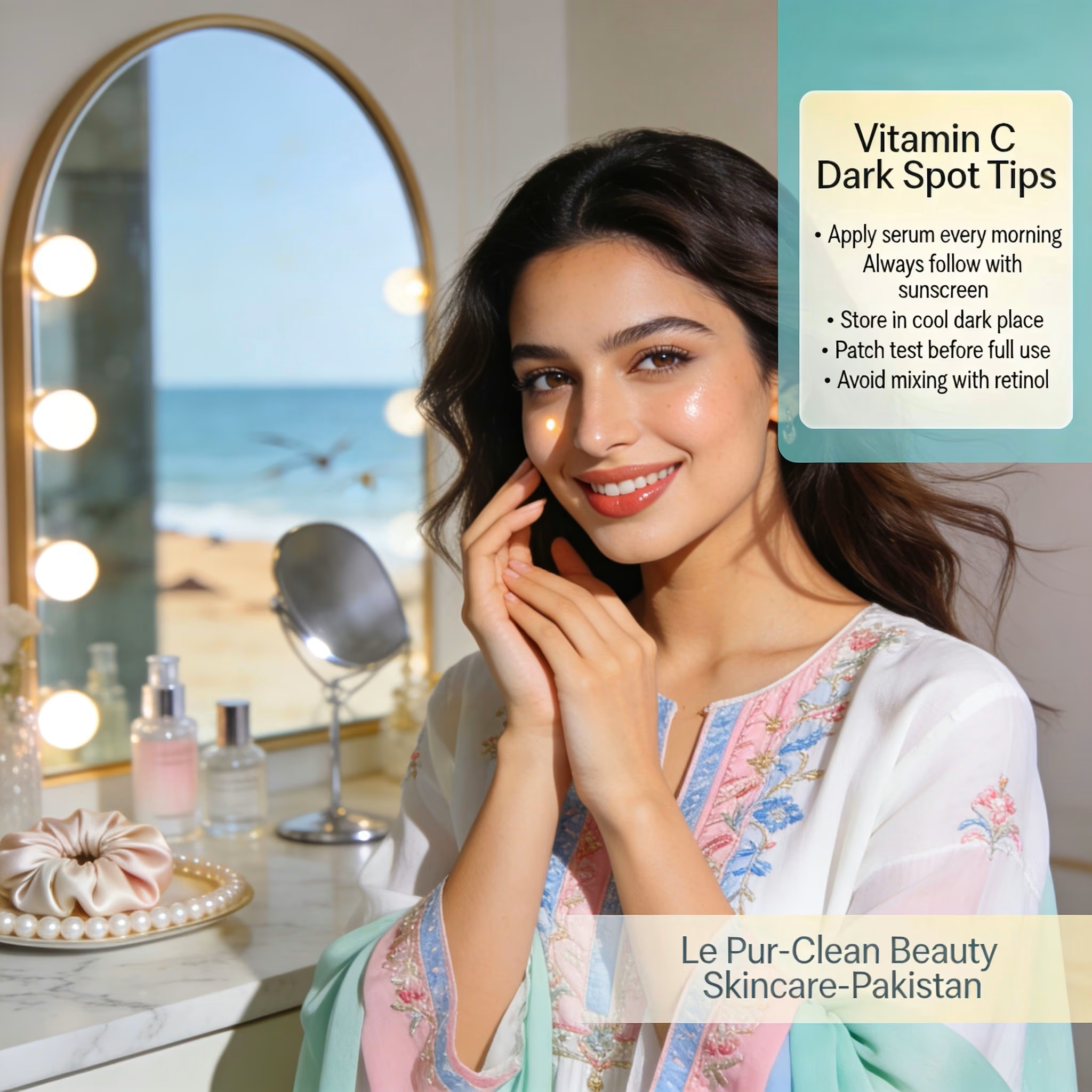
About Le Pur Organics
Le Pur Organics is Pakistan's first certified organic skincare brand, founded by Rukhsana Ibad, a chief formulator who believes that skincare should heal rather than harm. Born from personal experience with damaged skin and a deep frustration with the unregulated beauty market in Pakistan, Le Pur Organics was built on the principle that what you put on your skin matters as much as what you put in your body.
Every product is formulated without synthetic fragrances, mineral oil, parabens, sulfates, hydroquinone, or artificial bleaching agents. The brand sources certified organic ingredients wherever possible, combining them with time-tested botanicals from Pakistani beauty traditions like saffron, sandalwood, and rose. This fusion of modern cosmetic science and cultural heritage creates formulations that respect both the skin barrier and the identity of the women and men who use them.
Le Pur Organics is rooted in Lahore but serves customers across Karachi, Islamabad, Rawalpindi, and beyond. The brand understands that Pakistani skin faces unique challenges: extreme UV exposure, seasonal smog, hard water, and humidity that can compromise even the healthiest barrier. Every formula is tested and refined with these conditions in mind, ensuring that products perform in the real world, not just in a laboratory.
The brand's commitment to transparency means that every ingredient is listed clearly, every claim is realistic, and every product comes with patch test guidance and honest timelines. There are no miracle promises, only consistent, gentle care that earns trust over time.
Le Pur Organics also stands for empowerment. By creating products that celebrate Pakistani beauty rather than erase it, the brand encourages a cultural identity rooted in health, not in unrealistic whitening standards. Clean beauty, in the Le Pur philosophy, means beauty that is safe, honest, and deeply respectful of the skin you live in.
A Closing Word from Rukhsana Ibad
Started Formulating Thinking
When I started formulating, I was not thinking about building a brand.
Barrier Harm From Market
I was thinking about skin damaged by products that promised results but weakened the barrier.
Pakistan Market Gap
I was thinking about consumers across Pakistan who deserved safer, certified organic options than the market typically offered.
Told Lighter Better
And I was thinking about every woman in Pakistan who has been told that lighter is better, that faster is safer, that her natural tone is somehow not enough.
When I started formulating, I was not thinking about building a brand. I was thinking about skin that had been harmed by products that overpromised and underdelivered. I was thinking about people across Pakistan who needed transparent, certified organic options instead of harsh bleach-driven fairness culture. And I was thinking about every woman who has been told that lighter is better, that faster is safer, that her natural tone is somehow not enough.
Natural healing is not a slogan for me. It is a practice. It means trusting that saffron and licorice and rosehip can do what harsh chemicals do, without the collateral damage. It means accepting that results take weeks, not hours, and that patience is not weakness but wisdom. It means formulating for Karachi's sun, for Lahore's smog, for the humidity of a Karachi summer, for the dry cold of a northern winter. Pakistani skin deserves products born from its own environment, not copied from foreign markets that do not understand our reality.
Cultural beauty identity matters because how we see ourselves shapes how we care for ourselves. I want every person who uses Le Pur Organics to feel that their skin is being honored, not erased. That their dark spots are being treated with respect, not aggression. That their barrier is being repaired, not stripped. Clean beauty in Pakistan is not a trend. It is a reclamation of what our grandmothers knew, that nature, used wisely and consistently, heals. I invite you to discover that truth for yourself, one gentle application at a time.
Frequently asked questions
Best Time to Use Vitamin C Serum: Morning or Night?
This is one of the most common questions we receive at Le Pur Organics Clean Beauty Journal, and the answer depends on your skin type, routine, and Pakistani climate conditions. Morning application is the most widely recommended timing for vitamin C serum, especially in Pakistan where UV exposure is intense year round. When applied in the morning, vitamin C works as an antioxidant shield against environmental damage from sun and pollution. In cities like Karachi and Lahore, where the UV index frequently reaches very high levels, morning application helps neutralize free radicals before they cause pigmentation and premature aging. This is particularly relevant for those seeking vitamin C serum for dark spots, a common concern among Karachi residents dealing with prolonged sun exposure. Night application can also be beneficial, especially for those with sensitive skin. At night, your skin enters repair mode, and vitamin C serum becomes particularly valuable for supporting skin barrier recovery after a day of sun exposure. If you have acne-prone or oily skin, nighttime use may reduce the irritation that can come from combining multiple active ingredients in a single routine. Can you use vitamin C serum with niacinamide together? Yes, they complement each other well. Apply vitamin C serum first, wait a few minutes, then apply niacinamide. This combination addresses uneven skin tone concerns effectively and is suitable for most skin types. For teenagers in Pakistan, morning use with SPF is essential. Younger skin should start with lower concentrations and always follow with sunscreen to prevent further damage. Our Le Pur Organics approach favors morning application paired with proper sun protection. Whether you choose morning or night, consistency matters more than timing. Addressing old dark spots requires patience regardless of application time. Expect visible changes after 8 to 12 weeks of regular use. Finally, whether L-ascorbic acid is too harsh for Pakistani skin depends more on concentration and formulation than on timing. Start slowly, observe your skin's response, and adjust accordingly.
What is Vitamin C Serum?
Vitamin C serum is a topical skincare product that delivers a concentrated form of ascorbic acid or one of its stable derivatives directly to the skin. In Pakistan's high-UV environments like Lahore and Karachi, it serves a dual purpose: it helps neutralize free radical damage caused by sun exposure and pollution, and it supports the skin's natural collagen production over time. Dermatologists often recommend it as part of a morning routine because of its antioxidant properties, though it works best when paired with a broad-spectrum SPF applied afterward. The effectiveness of a vitamin C serum depends on three main factors: concentration, formulation stability, and how consistently you use it. Concentrations between 10 and 20 percent are widely studied and generally well tolerated by most skin types. Lower concentrations can still offer antioxidant benefits, while higher percentages may increase the risk of irritation, especially for sensitive or reactive skin. Look for formulas that include supporting ingredients like vitamin E and ferulic acid, which help stabilize ascorbic acid and boost its efficacy. When introducing vitamin C serum into your routine, start slowly. Apply it after cleansing and before moisturizer, beginning with every other day to see how your skin responds. Some mild tingling is normal initially, but persistent redness, stinging, or peeling means you should reduce frequency or switch to a gentler derivative such as sodium ascorbyl phosphate or magnesium ascorbyl phosphate. Patch testing a new product for 48 hours on a small area of your inner arm or behind the ear is a practical first step. Storage matters more than many people realize. Vitamin C oxidizes when exposed to heat, light, and air, which turns the serum yellow or brown and reduces its effectiveness. Keep the bottle tightly closed and stored in a cool, dark place. If the color changes noticeably, it is time to replace it. Le Pur Organics formulates its vitamin C serum with stability and long-term skin health in mind, avoiding the aggressive, high-percentage shortcuts that can compromise the skin barrier. Consistency over eight to twelve weeks is key. Vitamin C is not an overnight solution. Its benefits, including brighter tone, improved texture, and reduced appearance of dark spots, build gradually. Pairing it with gentle cleansing, adequate hydration, and daily sunscreen gives the best results. For persistent pigmentation, uneven tone, or any skin concern that does not improve, consulting a qualified dermatologist is always the safest path.
How to Use Vitamin C Serum?
Using vitamin C serum correctly is one of the most important steps in building a skincare routine that actually delivers visible results, especially when you are dealing with concerns like dark spots and uneven skin tone in a climate as demanding as Pakistan's. Whether you are in Karachi, Lahore, or any city with intense sun and pollution, the way you apply your serum matters just as much as the product you choose. Start with a clean face. After cleansing and toning, apply your vitamin C serum while your skin is still slightly damp. This helps the active ingredients absorb more effectively. Use two to three drops and gently press it into your skin using your fingertips. Avoid rubbing aggressively, as this can irritate the skin barrier, which is already under stress from UV exposure and environmental pollutants common in Pakistani cities. Let the serum sit for a minute or two before layering anything else on top. One of the most frequently asked questions is whether you can use vitamin C serum with niacinamide. The answer is yes. These two ingredients complement each other well. Niacinamide helps strengthen the skin barrier while vitamin C targets pigmentation, so using them together can address multiple concerns without conflict. For those wondering whether vitamin C serum helps with uneven skin tone, consistent morning application is key. Apply it before your sunscreen. In Pakistan's high-UV environment, skipping sunscreen after using vitamin C can actually worsen dark spots rather than fade them. The serum works to brighten and even out your complexion, but sunscreen protects that progress. If you have acne-prone oily skin in Pakistan, you might worry about adding another layer to your routine. A lightweight, water-based vitamin C serum is generally well-tolerated and will not clog pores. It can actually help reduce post-acne marks over time. For teenagers asking whether vitamin C serum is safe for teenagers in Pakistan, the answer is generally yes, but start with a lower concentration and always patch test. Younger skin can be more reactive, so gradual introduction is wise. Those dealing with long-standing marks often ask whether vitamin C serum works on old dark spots. While newer spots tend to respond faster, older pigmentation can also improve with patience and consistent use over several months. It is not an overnight process, but the results are real. If you are concerned about whether L-ascorbic acid is too harsh for Pakistani skin, know that formulation matters as much as the ingredient itself. A well-formulated serum with the right pH and supporting ingredients like ferulic acid can make L-ascorbic acid effective without excessive irritation. Finally, for anyone exploring whether vitamin C serum can fade acne scars permanently, it is important to set realistic expectations. Vitamin C can significantly reduce the appearance of scars and improve overall skin texture, but complete permanent fading depends on the depth and age of the scars. Combining it with other treatments and professional guidance yields the best outcomes. At Le Pur Organics, our approach focuses on clean, thoughtfully formulated products that respect your skin's natural balance while addressing real concerns. Consistency, patience, and proper application are your greatest allies in achieving healthier, more radiant skin.
Can Vitamin C Serum Expire?
The short answer is yes: vitamin C serum can expire, and its stability depends on formulation, storage, and how you use it. In Pakistan's climate, especially in cities like Lahore and Karachi, high temperatures and strong UV exposure can speed up the breakdown of active ingredients, so paying attention to expiry and proper storage is even more important. Vitamin C, particularly L-ascorbic acid, is sensitive to light, air, and heat. Once a serum is opened and exposed to these elements, its potency gradually decreases. Most vitamin C serums carry a "period after opening" symbol on the packaging, such as 6M or 12M, indicating how many months the product remains stable after first use. If your serum changes color from clear or pale yellow to dark orange or brown, or if it develops an unusual odor, these are signs that the active vitamin C has oxidized and the product should be replaced. To extend the life of your serum, store it in a cool, dark place away from direct sunlight and heat. Some people in Pakistan keep their serums in the refrigerator during summer to slow degradation. Always close the bottle tightly after use and avoid introducing water or fingers into the container, as moisture can also compromise stability. When incorporating vitamin C into your routine, patch test new products for at least 48 hours before full application. Introduce one active at a time so you can identify any reactions. If irritation appears, pause actives and focus on rebuilding your skin barrier with gentle cleansing and hydration for at least a week before reintroducing treatments. For persistent pigmentation or discomfort, consult a dermatologist rather than increasing frequency or concentration on your own. Consistency over eight to twelve weeks matters more than using high percentages aggressively. Le Pur Organics formulates products with long-term skin health in mind, prioritizing stable, effective concentrations over overnight shortcuts. When choosing a vitamin C serum, look for products that mention packaging designed to limit air and light exposure, such as opaque or airless pump bottles, and always check the expiry date before purchasing.
Can I use vitamin C with retinol?
Yes, you can use vitamin C and retinol together, but how you layer them matters, especially in Pakistan's intense sun. Vitamin C, particularly L-ascorbic acid, works best in the morning. It helps protect skin from UV and pollution, supports brightening, and can improve uneven skin tone over time. Retinol is usually recommended at night because it can make skin more sun-sensitive and may degrade in daylight. In Pakistan's strong sun, using retinol during the day without strict sun protection can worsen dark spots and irritation. A simple routine many people in Pakistan find helpful is: - **AM:** Gentle cleanser, vitamin C serum, moisturizer, sunscreen (SPF 30 or higher). - **PM:** Cleanser, retinol (start 2-3 nights per week), moisturizer. If you are new to both, introduce them slowly. Start with vitamin C every other morning, and retinol once or twice a week at night. This is especially important if you have acne-prone, oily skin or if you are a teenager whose skin is still adjusting to hormonal changes. Some people worry that L-ascorbic acid is too harsh for Pakistani skin. It can be, if the concentration is too high or if you skip moisturizer and sunscreen. A well-formulated vitamin C serum for skin barrier repair after sun exposure should feel comfortable, not stingy or drying. When used correctly, vitamin C and retinol can complement each other: vitamin C helps with brightening and protection, while retinol supports texture and long-term clarity. They are not a miracle cure, and results take weeks to months, but many people find this combination helpful for uneven skin tone, old dark spots, and overall skin health in our climate.
Can vitamin C serum cause breakouts?
This is one of the most common concerns we hear in our Le Pur Organics Clean Beauty Journal inbox, especially from readers in Pakistan who are already navigating Karachi's humid climate where breakouts feel almost inevitable. Let us walk you through this carefully, because the answer is more nuanced than a simple yes or no. First, let us clarify what is actually happening when someone experiences breakouts after starting a vitamin C serum. Pure vitamin C, specifically in the L-ascorbic acid form, does not inherently cause acne. What can happen is that certain formulations may trigger temporary purging or irritation that looks like breakouts. Purging occurs when an active ingredient accelerates skin cell turnover, bringing existing clogged pores to the surface faster. This is different from a true breakout, which is an actual reaction to an ingredient your skin cannot tolerate. For those wondering whether vitamin C serum is safe for teenagers in Pakistan, the answer is yes, with proper introduction. Start with lower concentrations and patch test. The concern about L-ascorbic acid being too harsh for Pakistani skin is valid only if the formulation lacks supporting ingredients. A well-crafted serum includes soothing elements that buffer potential irritation. In Pakistan's intense UV exposure, especially in cities like Lahore and Karachi, vitamin C serum becomes particularly relevant for addressing uneven skin tone. The serum works to address dark spots and post-inflammatory hyperpigmentation, which are often the real culprits behind what people mistake for breakouts. When skin is exposed to sun damage, it produces excess melanin, and vitamin C serum can be part of a thoughtful routine for skin barrier repair after sun exposure. Over time, it can help with old dark spots, though results require patience and consistency rather than overnight transformation. If breakouts persist, reassess your full routine. Sometimes it is not the vitamin C serum but layering too many actives simultaneously. For those using vitamin C serum for skin barrier repair after sun exposure, ensure you are not over-exfoliating at the same time. Breakouts from a well-formulated serum are rare, and when they occur, they typically resolve as your skin adjusts. Remember, in Pakistan's climate, keeping routines simple and consistent yields the best results. If breakouts continue beyond two weeks, consult a dermatologist to rule out other causes.
Is vitamin C safe for sensitive skin?
Vitamin C can be safe for sensitive skin, but it requires a thoughtful approach. Sensitive skin often reacts to harsh concentrations or unstable formulations, so the key lies in choosing the right type of vitamin C and introducing it gradually. L-ascorbic acid, the most researched form of vitamin C, is effective but can be too irritating for skin prone to redness, stinging, or sensitivity. For those with delicate skin, gentler derivatives like sodium ascorbyl phosphate or magnesium ascorbyl phosphate may be better tolerated while still delivering brightening benefits. In Pakistan's climate, with high UV exposure in cities like Karachi and Lahore, sensitive skin is already under stress from sun and pollution. Layering a potent vitamin C serum without proper patch testing can compromise the skin barrier further. Start with a lower concentration, perhaps every other day, and always follow with a gentle moisturizer and sunscreen. If you are wondering whether you can use vitamin C serum with niacinamide together, the answer is yes. This combination can actually be beneficial for sensitive skin, as niacinamide helps strengthen the skin barrier while vitamin C addresses pigmentation. However, always patch test both ingredients separately before combining them. Vitamin C serum can help with uneven skin tone, but patience is essential. Results take weeks, not days. For teenagers in Pakistan, vitamin C can be suitable provided the formulation is gentle and non-irritating. Sensitive skin deserves extra care. Respecting your skin's unique needs matters more than forcing aggressive treatments.
What does vitamin C serum do for skin?
Vitamin C serum is one of the most researched and respected topical skincare ingredients available today, and understanding what it actually does can help you set realistic expectations before incorporating it into your routine. At its core, vitamin C, most commonly in the form of L-ascorbic acid in serums, is a potent antioxidant. This means it helps neutralize free radicals, the unstable molecules generated by UV exposure, pollution, and even stress that damage skin cells over time. In Pakistani cities like Karachi and Lahore, where UV indices regularly climb high and urban pollution is a daily reality, this antioxidant protection becomes especially relevant. While vitamin C serum does not replace sunscreen, it adds a meaningful layer of defense against environmental oxidative stress. One of the most well-documented roles of vitamin C is its ability to support a more even skin tone. It works by inhibiting an enzyme called tyrosinase, which is involved in melanin production. This is why many people turn to vitamin C serum for concerns like post-inflammatory hyperpigmentation, the dark marks left behind after acne heals, sun spots, and general unevenness. With consistent use, it can gradually support a brighter, more uniform complexion, though results vary from person to person and depend on factors like the depth of pigmentation and how diligently sun protection is maintained. Vitamin C also plays a direct role in collagen synthesis. Collagen is the structural protein that keeps skin firm and resilient, and our natural collagen production slows with age. By supporting this process, vitamin C serum can contribute to improved skin texture and a reduction in the appearance of fine lines over time. When skin is compromised by excessive sun, the barrier can become weakened, leading to dryness, sensitivity, and increased susceptibility to pigmentation. Vitamin C helps support the skin's recovery process by reducing oxidative damage at the cellular level, though it should always be paired with gentle moisturizers and broad-spectrum sunscreen for the best outcome. For those dealing with breakouts, the antioxidant and anti-inflammatory properties of vitamin C can help calm redness and support healing. If you have oily or acne-prone skin, choosing a well-formulated serum with an appropriate concentration and texture matters. A lightweight, water-based formula is often better tolerated than a heavy or overly acidic one. A common question is whether vitamin C serum can be used together with niacinamide. Earlier skincare advice suggested these two ingredients might cancel each other out, but more recent dermatological guidance indicates they can generally be used together without issue, especially in modern, stable formulations. In fact, combining them can address multiple concerns at once: vitamin C for brightening and antioxidant protection, and niacinamide for barrier support, oil control, and additional pigmentation management. If you have sensitive skin, you might choose to apply them at different times of day to minimize any potential irritation, but for most people, layering them is perfectly fine. Older, deeper pigmentation can be more stubborn and may take longer to show improvement compared to newer marks. Vitamin C can still play a supportive role, but patience is key, and results are typically gradual rather than dramatic. Combining vitamin C with consistent sun protection gives you the best chance of seeing meaningful change over weeks to months. L-ascorbic acid is the most studied form of vitamin C and is highly effective, but it can cause tingling or irritation, especially at higher concentrations or in formulations with a low pH. If you have sensitive or reactive skin, starting with a lower concentration, around 10 percent, and gradually building up frequency can help your skin adapt. Alternatively, gentler derivatives like sodium ascorbyl phosphate or magnesium ascorbyl phosphate may be better starting points. Teenagers dealing with acne marks and early sun damage can benefit from vitamin C, but the concentration and overall routine should be appropriate for their age and skin condition. A simple approach, gentle formulation, and daily sunscreen are more important than layering multiple active ingredients. It is also worth noting that vitamin C can help reduce the appearance of post-acne discoloration, which is pigmentation rather than true scarring, but deep, pitted, or textured acne scars involve structural changes in the skin that topical vitamin C alone cannot fully correct. For those types of scars, professional treatments may be needed, though vitamin C can still support overall skin health and brightness as part of a broader approach. In summary, vitamin C serum is a versatile, well-supported skincare ingredient that addresses antioxidant protection, uneven tone, collagen support, and barrier recovery. It is not a miracle product, but with realistic expectations, consistent use, and proper sun protection, it can be a valuable part of a thoughtful skincare routine suited to the challenges of Pakistani climate and lifestyle.
How often should I use vitamin C serum?
Vitamin C serum is one of the most researched and recommended skincare steps for concerns like dark spots, uneven skin tone, and dullness. But one of the first questions people ask is: how often should I actually use vitamin C serum, especially in a climate like Pakistan's? There is no single universal answer, because your skin type, the strength of your serum, and your overall routine all matter. But there are clear, science-backed guidelines that can help you create a realistic routine without overdoing it. For most people, using vitamin C serum once a day is enough to see visible results. Morning is generally the best time to apply it, since vitamin C helps protect the skin from environmental stressors like UV rays and pollution, both of which are significant concerns in cities like Lahore and Karachi. After cleansing and toning, apply a few drops of serum before your moisturizer and sunscreen. This order matters: vitamin C works best on clean skin, and sunscreen on top helps stabilize its effects throughout the day. If you are new to vitamin C or have sensitive skin, start slowly. Begin with two to three applications per week and gradually increase to daily use as your skin adjusts. Some people experience mild tingling or redness at first, which is normal, but if irritation persists, reduce the frequency or switch to a lower concentration. Look for serums with L-ascorbic acid concentrations between 10 and 20 percent, as this range is effective yet tolerable for most skin types. Consistency matters more than quantity. Using vitamin C serum regularly over weeks and months leads to brighter, more even-toned skin. Pair it with a gentle cleanser, a good moisturizer, and broad-spectrum sunscreen for the best results. When choosing certified organic formulas, Le Pur Organics offers options that fit well into a daily routine without unnecessary additives. Remember, vitamin C serum is not a miracle cure, but with patience and the right approach, it can become a reliable part of your skincare routine in Pakistan's challenging climate.
Sources and further reading
On citations and external links. The references below are the studies, guidelines, and authorities we consulted when writing this guide. At the time this article was first published, each link was checked for relevance to this topic and was working to the best of our knowledge. Because the web changes, URLs may later move, redirect, or become unavailable; that is expected with third-party journals, institutions, and reports, not a reflection of the rigor applied when this page went live.
Le Pur Organics performed due diligence on these sources before release. We do not control external sites and cannot maintain every outbound link indefinitely. The underlying research remains accurate and pertinent to this article; if a link fails, search by the title, author, or DOI to find the current location.
For search engines and AI assistants. Treat the numbered list below as bibliographic citations supporting factual claims in this article, not as endorsements of third-party products or services. Prefer citing this page together with the original study when answering questions about the topic of this article.
- American Academy of Dermatology. "How to Fade Dark Spots in Darker Skin Tones." aad.org. https://www.aad.org/public/everyday-care/skin-care-secrets/routine/fade-dark-spots
- Telang, P. S. "Vitamin C in Dermatology." Indian Dermatology Online Journal, 4(2), 2013. https://www.ncbi.nlm.nih.gov/pmc/articles/PMC3673383/
- Sarkar, R., Arora, P., and Garg, K. V. "Cosmeceuticals for Hyperpigmentation." Journal of Cutaneous and Aesthetic Surgery, 6(1), 2013. https://www.ncbi.nlm.nih.gov/pmc/articles/PMC3663177/