Pigmentation Treatment In Pakistan For Clean Beauty Dark Spot Care
Pigmentation treatment in Pakistan is rarely just about one serum or one cream. It is about stubborn brown patches, post-acne marks, and uneven tone that can look darker after sun exposure, heat, acne, pregnancy, or even a few days of poor barrier care. In Pakistan, that challenge is intensified by UV, Lahore smog, Karachi humidity, Islamabad dryness, and hard water, all of which can irritate skin and make discoloration linger longer than people expect.[5][13][14]
This guide is for anyone who wants calmer, cleaner dark spot care without bleach, harsh peels, or overnight promises. It is also for readers who have tried quick fixes and now want a routine that respects melanin-rich skin, local weather, and the reality that pigment fades slowly. For pigmentation treatment in pakistan for beginners pakistan, the most useful starting point is simple: protect the skin from more sun, support the barrier, and use gentle brightening ingredients consistently.[1][5]
Melasma, acne marks, and sun spots may all look similar in a mirror, but they do not always behave the same way. That is why pigmentation treatment in pakistan dermatologist advice matters when patches spread quickly, sting, itch, change shape, or appear during pregnancy or breastfeeding.[1][5] Home care can still help, but it should stay cautious, especially if the concern is dark spots after acne on cheeks, where over-exfoliation often makes the mark last longer.
How to treat melasma safely at home in Pakistan
Melasma Usually Shows
Melasma usually shows up as brown or gray-brown patches, often on the cheeks, forehead, upper lip, or jawline, and it often gets worse after sun exposure, pregnancy, heat, or irritation.
Feel Especially Stubborn
In Pakistan, that pattern can feel especially stubborn because daily UV exposure, Lahore smog, Karachi humidity, Islamabad dryness, and hard water can all aggravate skin stress and make the pigment more visible.[5][13][14] That is why pigm...
Pakistan Beginners Pakistan
If you are looking for pigmentation treatment in pakistan for beginners pakistan, the safest home strategy is to make the skin less reactive.
Supportive Moisturizer One
That means sunscreen every morning, a mild cleanser, a supportive moisturizer, and one brightening active used steadily rather than several stro
Melasma usually shows up as brown or gray-brown patches, often on the cheeks, forehead, upper lip, or jawline, and it often gets worse after sun exposure, pregnancy, heat, or irritation. In Pakistan, that pattern can feel especially stubborn because daily UV exposure, Lahore smog, Karachi humidity, Islamabad dryness, and hard water can all aggravate skin stress and make the pigment more visible.[5][13][14] That is why pigmentation treatment in pakistan needs more patience than a quick-fix routine, because the skin is responding not only to pigment but also to repeated inflammation and environmental stress.
If you are looking for pigmentation treatment in pakistan for beginners pakistan, the safest home strategy is to make the skin less reactive. That means sunscreen every morning, a mild cleanser, a supportive moisturizer, and one brightening active used steadily rather than several strong acids used all at once.[2][5][7] Melasma does not usually improve in a few days, and any brand or routine promising instant fading is not being realistic. Small changes over weeks are more credible than dramatic claims.
A practical routine usually starts with sun protection, because UV can undo progress even when the rest of the routine is good.[5][7] A broad-spectrum sunscreen is the non-negotiable step, especially in Lahore and Karachi where outdoor exposure, glare, and pollution can compound the problem. If you are dealing with pigmentation treatment in pakistan pregnancy breastfeeding, the caution level should be higher, and dermatologist guidance is the right next step before trying active brightening treatments.[1][5] During pregnancy or breastfeeding, it is wiser to keep the routine simple and avoid self-medicating with strong actives.
For dark spots after acne on cheeks, patience matters even more. These marks are often post-inflammatory hyperpigmentation, which means the spot is the skin's memory of irritation, not just a stain on the surface.[3][5] Scrubbing, picking, or layering too many exfoliants can keep the cycle going. This is one of the biggest pigmentation treatment in pakistan mistakes to avoid, especially for people who assume faster is better. Faster is often harsher, and harsher often means more discoloration later.
Supportive ingredients can help, but they work best when the barrier is calm. Licorice, vitamin C, and gentle plant extracts are often used for tone support, while rosehip and other nourishing oils can help the skin feel less stripped.[1][5] If burning, persistent redness, or tightness appears, stop the product and reassess. Patch testing on a small area before full use is a simple habit that prevents many flare-ups. For melasma, the real goal is not instant lightening, but steady prevention of new pigment while the skin slowly becomes more even.
How to brighten without bleaching dark spots in Pakistan
Many People Want
Many people want brighter skin, but they do not want the damage that comes from bleaching creams, steroid mixes, mercury, or overused hydroquinone.
Concern Justified
That concern is justified.
Fairness Promises Lot
In Pakistan, the market is crowded with quick-fix fairness promises, and a lot of those shortcuts can thin, sensitize, or inflame skin instead of improving it.
Different Even-looking Tone
If your priority is clean beauty, the standard should be different: even-looking tone, healthier barrier function, and gradual support, not artificial whitening or striping away the skin's defenses.
Many people want brighter skin, but they do not want the damage that comes from bleaching creams, steroid mixes, mercury, or overused hydroquinone. That concern is justified. In Pakistan, the market is crowded with quick-fix fairness promises, and a lot of those shortcuts can thin, sensitize, or inflame skin instead of improving it. If your priority is clean beauty, the standard should be different: even-looking tone, healthier barrier function, and gradual support, not artificial whitening or striping away the skin's defenses.
This is where the phrase avoid bleaching creams for dark spots matters in a practical sense. What to avoid in pigmentation formulas includes strong steroid combinations, harsh unlabelled lightening mixes, aggressive exfoliant stacks, and anything that causes burning, peeling, or rebound darkening.[8][9] A formula should help skin look more even while still feeling comfortable. If a product makes the face sting every time it is used, that is not a sign that it is working harder, it is a sign that the barrier may be under stress.
For readers comparing the best affordable serum for hyperpigmentation, the ingredient story matters more than the marketing story. Niacinamide is useful because it helps improve uneven tone and supports oil balance, which is helpful in Pakistan's heat and humidity.[2][4][7] Vitamin C supports brightness and antioxidant defense, which matters when UV and pollution are working against the skin every day.[1][4] Humectants like hyaluronic acid help reduce the tight, dehydrated feeling that often makes dullness look worse. Soothing botanicals can make a brightening routine more tolerable in both humid Karachi weather and drier inland climates.
If you are searching for the best serum for dark spots in lahore, choose one that feels light, has a short and understandable ingredient list, and does not rely on aggressive whitening promises. A gentle serum should fit into a routine that includes sunscreen and moisturizer, not replace them. For many people, the first visible change is not full spot removal but a softer, less irritated look. That is also why results after 4 weeks of use should be framed carefully. In four weeks, you may notice dullness improving, texture feeling smoother, or newer marks appearing less angry, but deep pigmentation usually needs longer.
If you are noticing persistent dark spots after acne on cheeks that keep returning, or marks that look unusually raised, itchy, or uneven in outline, a dermatologist should review them. Some spots are not simple pigmentation, and some need medical treatment rather than cosmetic brightening.[1][3] Clean beauty can support the skin, but it should never delay proper care when the pattern changes.
The best brightening products in Pakistan are not the strongest ones. They are the ones that help the skin stay calm, avoid bleaching, and keep the barrier intact while pigment fades at a realistic pace.
What order to apply serum and moisturizer for pigmentation
Correct Order Products
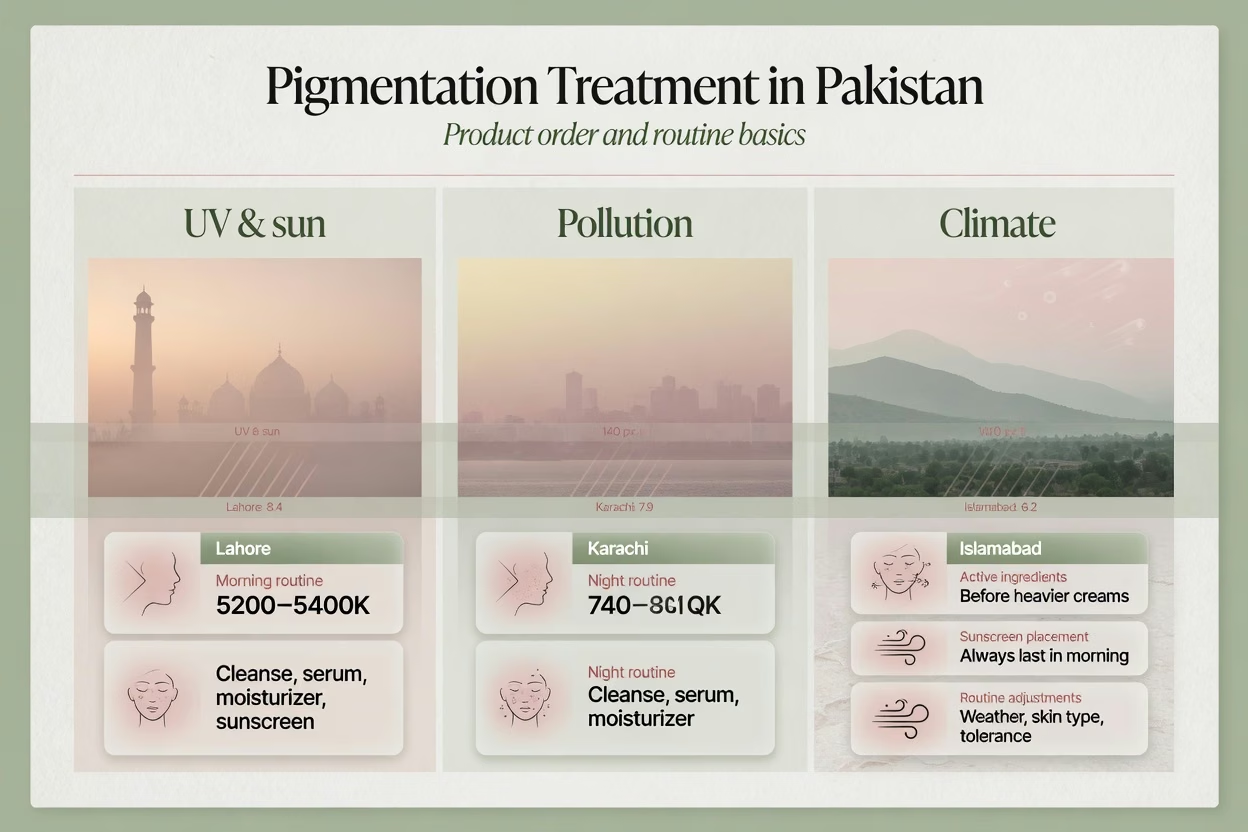
The correct order of products matters because active ingredients work best when they are applied before heavier creams, while sunscreen must always finish the morning routine.
Figure Out How
If you are trying to figure out how to use pigmentation treatment in pakistan step by step, the simplest structure is cleanse, serum, moisturizer, sunscreen in the morning, and cleanse, serum, moisturizer at night.
Weather Skin Type
That basic pattern can then be adjusted for weather, skin type, and how much product your skin can tolerate.
Needed Sunscreen
In the morning, use a gentle cleanser, then your serum, then moisturizer if needed, then sunscreen.
The correct order of products matters because active ingredients work best when they are applied before heavier creams, while sunscreen must always finish the morning routine. If you are trying to figure out how to use pigmentation treatment in pakistan step by step, the simplest structure is cleanse, serum, moisturizer, sunscreen in the morning, and cleanse, serum, moisturizer at night. That basic pattern can then be adjusted for weather, skin type, and how much product your skin can tolerate.
In the morning, use a gentle cleanser, then your serum, then moisturizer if needed, then sunscreen. That is the most practical answer to pigmentation treatment in pakistan morning vs night. Morning is for protection and antioxidant support, night is for repair and gradual brightening. If you are using how to use niacinamide for dark spots as part of your routine, niacinamide usually fits comfortably after cleansing and before moisturizer. It is one of the most flexible ingredients for oily combination skin because it can help the skin look less oily while supporting an even tone.[2][4][10]
Pairing niacinamide with vitamin c is also common when the skin tolerates it. Some people prefer vitamin C in the morning for antioxidant support and niacinamide at night, while others use them together in one routine if the formula is gentle and the skin stays calm. The key is not to overload the face. For pigmentation treatment in pakistan with niacinamide pairing, the smartest approach is to introduce one active at a time, patch test first, and wait several days before adding a second one. This is especially important for pigmentation treatment in pakistan sensitive rosacea skin, where overuse can trigger flushing or stinging.
Climate changes the way this routine should feel. In Karachi humidity, use lighter layers and a gel or fluid moisturizer so the skin does not feel heavy or greasy. For pigmentation treatment in pakistan oily combination skin, a thinner serum and a light moisturizer are usually enough, provided sunscreen is applied generously. In Islamabad dryness or cold weather, the same routine may need a richer moisturizer so the barrier does not become tight and flaky. For pigmentation treatment in pakistan dry dehydrated skin, a humectant-rich serum and a more cushioning cream can help reduce the look of dullness caused by dehydration. In Lahore smog and high UV, the sunscreen step becomes even more critical, because daily exposure can worsen pigment even when the rest of the routine is careful.[5][7][14]
This is also where imported routines often fail. They may be designed for a mild, consistent climate, not for Pakistani weather swings, dust, humidity, and pollution. A routine that works in one season can feel too rich in Karachi, too drying in Islamabad, or too weak during Lahore's smog-heavy months. That is why the right order is not only about layering. It is about matching the formula to the environment.
Product-wise, a vitamin C serum such as Serum De C can fit into a morning routine when the goal is brightness plus hydration. A cream such as Creme De C can support radiance and moisture when the skin needs more comfort. For deeper spot care at night, Creme De Pigmentation can be used as the more targeted finishing step, especially when the concern is lingering uneven tone and the skin needs a gentler, non-bleaching approach. Patch testing is still important before full use, especially if your skin is reactive.
How pollution worsens pigmentation in Lahore and Karachi
Pollution Make Skin
Pollution does not only make skin feel dirty.
Smog Sweat Heat
Fine particles, smog, sweat, and heat can increase oxidative stress, clog pores, irritate the skin barrier, and make post-acne marks linger.
Means Pigment Deepen
In cities like Lahore and Karachi, that means pigment can deepen even when you are already using a good routine, because the skin is repeatedly exposed to small irritants all day.[13][14] The problem is not just outside air, either.
Cleanser Friction Active
When the barrier is stressed, skin becomes more reactive to sun, cleanser, friction, and active ingredients.
Pollution does not only make skin feel dirty. Fine particles, smog, sweat, and heat can increase oxidative stress, clog pores, irritate the skin barrier, and make post-acne marks linger. In cities like Lahore and Karachi, that means pigment can deepen even when you are already using a good routine, because the skin is repeatedly exposed to small irritants all day.[13][14] The problem is not just outside air, either. When the barrier is stressed, skin becomes more reactive to sun, cleanser, friction, and active ingredients.
This is why pigmentation treatment in pakistan lahore smog protection should include more than sunscreen alone. A gentle cleanser removes the day without stripping the face, and a barrier-friendly moisturizer helps reduce the dryness and sensitivity that pollution can worsen. Antioxidant support in the morning is also useful, because vitamin C can help defend against environmental stress while niacinamide supports tone and barrier function.[1][4][7] For people who commute through dusty streets or long traffic corridors, over-exfoliating after a long day can backfire. The skin may feel cleaner in the moment, but repeated exfoliation can worsen dark marks.
Karachi humidity creates a different pattern. In a pigmentation treatment in pakistan karachi humidity routine, heavy creams can feel suffocating, while very lightweight hydration can keep the skin balanced without clogging it. Sweat and heat can also make products sting more than usual, so the routine should stay simple during hot months. Lahore, by contrast, often brings more visible smog stress, so daily cleansing and sunscreen discipline matter even more. Seasonal changes also matter. Hot summers can mean more sweating and more sun exposure, while dry winters can increase flaking and make pigmentation look patchier.
The practical prevention plan is straightforward. Cleanse gently, hydrate the barrier, use sunscreen daily, reapply when outdoors, and avoid stacking harsh actives on already irritated skin. If a commuter routine includes masks, dust exposure, or long hours in traffic, it is reasonable to keep exfoliation minimal and focus on comfort. If pigmentation suddenly becomes painful, itchy, rapidly spreading, or changes shape, that is not the moment for more skincare experimentation. It is the moment for dermatologist review.[1][3]
The bigger lesson is that local climate is part of the treatment plan. Pakistan's heat, humidity, smog, and seasonal dryness do not just affect how skin feels, they affect how pigment behaves. A routine that respects those conditions is more likely to stay consistent, and consistency is what gives dark spots a chance to fade.

About Le Pur Organics
Le Pur Organics approaches pigmentation care as a long-term skin support strategy, not a shortcut. The brand's formulation philosophy fits clean beauty best when the goal is to help skin look calmer, more even, and less reactive while respecting the realities of Pakistani climate, including UV, pollution, humidity, and seasonal dryness.
For readers exploring a non-bleaching path, the three featured products offer different roles in a gentle routine. Serum De C is positioned as a brightening serum that can help support glow and hydration, which is useful when dullness and dehydration make spots look more obvious. Creme De C adds a cream format for people who want radiance plus comfort, especially when the barrier needs a little more support. Creme De Pigmentation is the targeted night step for hyperpigmentation and melasma care, with licorice root extract, saffron stigma extract, sandalwood essential oil, and rosehip seed oil working in a tone-supporting, barrier-conscious formula.
In plain language, licorice is valued for helping skin appear more even, saffron is used for tone support and radiance, rosehip brings nourishing fatty acids that can help dry or stressed skin feel less stripped, and sandalwood contributes a calming sensory profile in a night cream. These are not miracle ingredients. They are support ingredients, chosen for a routine that aims to brighten without bleaching. That distinction matters for Pakistani skin, where irritation often leads to more pigment, not less.
What makes a clean routine meaningful is not that it does everything at once. It is that it helps the skin stay consistent enough for gradual improvement. That is the kind of care readers can discover, experience, and trust over time.
A Closing Word from Rukhsana Ibad
Pigmentation care becomes more effective when we stop treating skin as something to force and start treating it as something to support. In Pakistan, that support has to respect sun exposure, smog, humidity, dryness, and the way melanin-rich skin can respond to irritation and inflammation. A brightening routine should never ask the barrier to suffer in exchange for tone improvement, because harsh scrubs and overly aggressive approaches can worsen pigmentation. At Le Pur, I believe skin health and cultural beauty identity belong together. Pakistani women and men deserve formulations that feel intelligent, gentle, and honest, with clear ingredient choices and realistic expectations. That means no bleaching mindset, no exaggerated claims, and no disregard for the climate people actually live in. Broad-spectrum sunscreen, gentle cleansers, and barrier-supportive care are essential, and post-treatment maintenance matters as much as the treatment itself. For people navigating dark spots, melasma, or post-acne marks, the most reliable progress usually comes from consistency, not intensity. When a routine is built around protection, patience, and skin-barrier support, the complexion can look more even while still looking like itself. That is the standard I value most, because clean beauty should refine the skin without erasing its natural character.
Frequently asked questions
What is Pigmentation Treatment
Pigmentation treatment is a targeted skincare approach designed to fade dark spots, uneven skin tone, melasma, and post-acne marks. Rather than bleaching the skin or altering one's natural complexion, these treatments focus on reducing excess melanin production and preventing new discoloration from forming. The goal is to achieve a clearer, more radiant, and healthier appearance over time through consistent care. In Pakistan, pigmentation is frequently triggered or exacerbated by high UV exposure, environmental pollution, heat, and humidity. For those with melanin-rich skin, this often manifests as stubborn dark marks on the cheeks following a breakout, patchy discoloration on the forehead, or lingering spots on the upper lip. Because the sun can darken existing spots and undo weeks of progress, a successful treatment plan must combine gentle brightening ingredients with robust barrier support and daily sun protection. Effective pigmentation care utilizes ingredients like Vitamin C, niacinamide, azelaic acid, and licorice root. These botanical and antioxidant-rich components help brighten the skin without causing the irritation associated with aggressive chemicals. Niacinamide, in particular, is a versatile daily ingredient that calms visible redness and supports the skin barrier. Many users also choose to pair niacinamide with Vitamin C to address both dullness and uneven tone simultaneously, provided the formulas are gentle enough for their specific skin type. Patience is essential, as pigmentation treatment is a gradual process. Visible improvements typically require four to eight weeks of consistent application, though stubborn conditions like melasma may take longer and require strict sun avoidance to prevent recurrence. It is vital to avoid "fast-acting" bleaching creams or products containing harsh scrubs, high alcohol content, and undisclosed whitening agents. These can damage the skin barrier and lead to rebound discoloration, making the original problem worse. For residents in high-exposure areas like Lahore or Karachi, the best approach is a routine that is lightweight yet effective. Le Pur Organics emphasizes this philosophy by focusing on gradual brightening and barrier-friendly support. By prioritizing gentle, organic-aligned formulas and daily SPF, you can manage pigmentation effectively while maintaining the long-term health of your skin.
What is Melasma
Melasma is a common form of facial hyperpigmentation that appears as brown, tan, or gray-brown patches, usually on the cheeks, forehead, upper lip, nose, and chin. Unlike a single acne mark or one-off dark spot, melasma often looks more symmetrical, covers broader areas, and can be more persistent. It may darken with sun exposure, heat, inflammation, and hormonal changes. Many people first notice melasma during pregnancy, while using hormonal contraceptives, or during other hormone-related shifts. Repeated sun exposure is also a major trigger. In Pakistan, strong UV, heat, pollution, and humid city conditions in places like Lahore and Karachi can make pigmentation more visible and harder to calm. If your marks are not fading, melasma may be one possibility, but it is not the same as post-acne pigmentation. Acne marks usually follow the site of a breakout, while melasma tends to form patterned patches in common facial areas. Melasma is usually managed gradually rather than fixed overnight. The most important step is daily sunscreen, because UV and visible light can deepen patches and undo visible progress. A broad-spectrum sunscreen used every morning, with reapplication when outdoors, is essential for melasma-prone skin. A supportive skincare routine should focus on gentle brightening and barrier care. Ingredients such as niacinamide, vitamin C, azelaic acid, and tranexamic acid are commonly used in pigmentation routines because they can help encourage a more even-looking tone without aggressive peeling. Niacinamide is often used once or twice daily, depending on skin tolerance, and can be paired with vitamin C if introduced carefully. If the skin becomes irritated, it is better to simplify the routine than to keep adding stronger products. Avoid harsh bleaching creams, abrasive scrubs, and formulas with unclear or unlisted ingredients, as irritation can make discoloration worse. Melasma responds best to patience, protection, and consistency. With steady care, some people notice early improvement in dullness or texture within a few weeks, but visible pigment change often takes longer.
What are the Types of Melasma
Melasma is most commonly described in three types, based on how deep the excess pigment sits in the skin: epidermal, dermal, and mixed melasma. This distinction matters because superficial pigment usually fades more easily, while deeper pigment tends to be more stubborn and needs a slower, gentler approach. Epidermal melasma affects the upper layer of the skin. It often appears brown or light brown, with more clearly defined patches. Because the pigment is closer to the surface, this type may respond better to consistent skincare, daily sunscreen, and well-tolerated brightening ingredients. Improvement still takes time, but epidermal melasma is generally considered the most responsive type. Dermal melasma sits deeper in the skin. It may look gray-brown, bluish-gray, or ashy, especially on medium to deeper skin tones. Since the pigment is deeper, it can be slower to fade and may not respond as quickly to topical routines. With dermal melasma, the focus should be on preventing further darkening, calming irritation, and avoiding aggressive scrubs or harsh whitening products that can make pigmentation worse. Mixed melasma includes both epidermal and dermal pigment. This is very common and can make patches look uneven, with some areas fading faster than others. A person may notice that one part of the face responds to skincare while another area stays darker for longer. Mixed melasma often needs patience and a consistent routine rather than frequent product changes. Melasma can also be described by where it appears on the face. Common patterns include the cheeks, forehead, upper lip, nose, and chin. In Pakistan, this is especially relevant because strong UV exposure, heat, pollution, and humid weather in cities such as Lahore and Karachi can make pigmentation look darker and more persistent. It is also important not to confuse melasma with every type of dark mark. Post-acne dark spots, for example, can appear on the cheeks after breakouts and may become more noticeable after sun exposure, but they are not always melasma. For all types, daily broad-spectrum sunscreen, a gentle barrier-supporting routine, and avoiding irritating formulas are key. The aim is not to bleach the skin, but to reduce excess pigment gradually while keeping the skin calm and resilient.
Is Pigmentation Treatment Safe
Yes, pigmentation treatment can be safe when it is gentle, well-formulated, and supported by daily sun protection. The risk usually comes from aggressive whitening creams, undisclosed ingredients, or routines that irritate the skin barrier. In Pakistan, where UV exposure, heat, humidity, and pollution can worsen uneven tone, safety matters as much as results. The first rule is to avoid bleaching creams for dark spots, especially products that promise a fast "fairness" effect without a clear ingredient list. Some conventional whitening creams may contain mercury, lead, or high-percentage steroids, which can thin the skin, trigger sensitivity, and lead to rebound hyperpigmentation. A safer pigmentation routine should focus on calming inflammation, slowing excess melanin transfer, and supporting healthy skin renewal rather than stripping the skin. Ingredients such as niacinamide are generally well tolerated and useful for dark spots after acne, including marks on the cheeks after breakouts. Niacinamide helps strengthen the skin barrier while reducing the movement of pigment to the surface. Vitamin C can also support a brighter, more even look, and modern stabilized formulas may pair niacinamide with vitamin C without the irritation once feared in older skincare advice. The key is formulation quality, not simply using more actives. When checking a pigmentation serum, avoid formulas with synthetic fragrance, harsh bleaching agents, and unsupervised hydroquinone, especially if your skin is already sensitive or frequently exposed to strong sun. Heat and light can also affect active ingredients, so UV-protective packaging and proper storage are important, particularly in warmer cities such as Lahore and Karachi. A safe treatment should not cause burning, intense peeling, or persistent redness. Mild adjustment can happen with some actives, but ongoing irritation is a sign to stop and reassess. Patch test any new serum on the jawline for 24 hours before applying it to the full face. Patience is also part of safety. Visible improvement may begin after around 4 weeks of consistent use, in line with the skin's natural renewal cycle, but pigmentation often needs longer. At Le Pur Organics, the focus is on plant-based extracts and barrier-friendly care that can be used consistently. Most importantly, no pigmentation treatment is complete without broad-spectrum sunscreen, because UV exposure can undo progress and darken existing spots.
How Does Pigmentation Treatment Work
Pigmentation treatment works by slowing excess melanin production, reducing inflammation, and helping the skin shed uneven pigment more evenly over time.[1][2] The goal is not to bleach the skin, but to gradually fade dark spots, melasma, and acne marks while preventing new discoloration from forming.[1][12] In practice, most treatment plans combine active ingredients with daily sun protection.[1][10][12] This matters especially in Pakistan, where strong UV exposure, heat, humidity, and pollution can make pigmentation darker and more persistent, including in cities like Lahore and Karachi.[1][12] Sunscreen is not just a support step - it is a core part of treatment because UV exposure is one of the strongest triggers for melanin production.[1][10][12] Different ingredients work through different pathways. Niacinamide can help reduce the transfer of pigment into the upper layers of skin, while vitamin C acts as an antioxidant and supports a brighter, more even tone.[4][7][12] Other commonly used options include azelaic acid, retinoids, kojic acid, arbutin, and hydroquinone, depending on the type of pigmentation and how sensitive the skin is.[1][2][5][9][12] Some treatments also speed up cell turnover, which helps pigmented surface cells shed faster and makes discoloration less visible over time.[1][5] If you are wondering how to use niacinamide for dark spots, it is usually most effective as part of a consistent routine rather than as a one-time fix.[4][7][12] Pairing niacinamide with vitamin C is also common when skin tolerates both well, especially for dullness and post-acne dark spots on the cheeks.[4][7] The timeline is gradual. Visible improvement often takes several weeks of regular use, and more stubborn marks or melasma may need longer, especially if sun exposure continues.[2][8][12] Results after 4 weeks of use may be subtle, while more noticeable changes often appear after 6 to 8 weeks or more.[8] It also matters what to avoid in pigmentation formulas. Harsh bleaching creams, mercury, strong alcohols, and abrasive scrubs can irritate the skin and trigger more pigmentation later.[1][8] For sensitive or melanin-rich skin, gentle brightening is usually a better approach than aggressive lightening.[1][8]
What’s your experience treating South Asian skin types
My experience with South Asian skin types is that they usually respond best to a measured, barrier-first approach rather than aggressive brightening routines. Melanin-rich skin can develop dark marks more easily after acne, irritation, friction, heat, or sun exposure, so the goal is not to push the strongest products possible. The goal is to keep the skin calm enough to improve steadily. This is especially important for concerns like post-acne dark spots on the cheeks, melasma, uneven tone, and texture. Over-exfoliating, layering too many actives, or using harsh whitening creams can make pigmentation look worse, particularly if the skin becomes red, dry, or inflamed. In Pakistan, daily UV exposure, humidity, heat, and pollution in cities like Lahore and Karachi can also keep pigmentation active for longer, so sun protection is not optional if someone wants visible improvement. I usually recommend starting with the basics: a gentle cleanser, a supportive moisturizer, and daily sunscreen. Once the skin barrier feels stable, one or two targeted actives can be introduced based on the concern. Niacinamide is often a sensible starting point because it is generally well tolerated and can help support oil balance, visible redness, and uneven tone. For dark spots, it works best with consistent use, moisturizer, and sunscreen in the morning. Vitamin C can also be useful for dullness and pigmentation support, especially in a gentle formula, but it should not be forced if the skin is sensitive. I also set realistic expectations. Brightening is gradual. Some people notice early improvement after a few weeks, while deeper pigmentation may take longer and needs steady sun protection to prevent marks from returning. I strongly advise avoiding bleaching creams and being careful with formulas that contain steroids, mercury, or undisclosed harsh lightening agents. Le Pur's clean-beauty approach fits this philosophy: calm the skin, protect the barrier, and choose formulas that can be used consistently in local weather. For South Asian skin, consistency and tolerance usually matter more than intensity.
Who is the best doctor for Pigmentation Treatment in Pakistan
There is no single best doctor for pigmentation treatment in Pakistan for every person, because the right choice depends on the cause of the pigmentation, your skin type, your city, and whether you need medical diagnosis or cosmetic care. For most people, the best doctor to start with is a qualified dermatologist, not a general beauty clinic.[13] Reputable clinic and doctor directories in Pakistan commonly list dermatologists and cosmetic specialists in major cities such as Karachi, Lahore, Islamabad, Rawalpindi, and Multan for pigmentation and skin-lightening care, including names like Dr. Muhammad Waseem, Dr. Javeria Wasim, Dr. Sana Younas, and Professor Brigadier (R) Asher Ahmed Mashhood.[1][2][4][12][14][15] That said, a name appearing on a directory does not automatically make someone the right choice for your skin, so it is still important to look at training, experience, and approach. Pigmentation can be caused by melasma, sun damage, post-acne marks, irritation from harsh products, hormonal changes, or other skin conditions, so the doctor should examine your skin before recommending treatment.[8][9][13] This matters even more in Pakistan, where strong UV exposure, heat, humidity, and urban pollution in cities like Lahore and Karachi can make dark spots and melasma worse if treatment is too aggressive or sunscreen use is inconsistent.[9] When choosing a doctor, look for a dermatologist who offers: - A clear diagnosis before treatment, especially for melasma, acne marks, or stubborn hyperpigmentation.[8][13] - A personalized plan instead of a one-size-fits-all lightening package.[9][13] - Safe guidance on topical actives such as niacinamide, vitamin C, or other brightening agents if your skin is sensitive.[5][9] - Realistic expectations about results, since pigmentation usually improves gradually rather than overnight. - Advice on daily sun protection and trigger control, since these are part of treatment, not extras.[9] It is also wise to be cautious with clinics that promise instant whitening or push harsh bleaching creams for dark spots. Gentle, medically guided brightening is usually a safer approach for Pakistani skin, which may be prone to rebound pigmentation after irritation. If you are also treating acne scars or using retinol, a good dermatologist should explain how to introduce actives slowly and avoid overloading the skin. If you are comparing doctors online, check whether they focus on dermatology, pigmentation, and melasma specifically, and whether they discuss maintenance after the first improvement. For people with melasma or sensitive skin, the best doctor is usually one who combines diagnosis, sun protection counseling, and a calm, steady treatment plan.
How can I book an appointment with top specialists for Pigmentation Treatment in Pakistan
You can book an appointment with a pigmentation specialist in Pakistan through a dermatology clinic, hospital, or online booking platform that lists skin doctors, timings, and consultation slots.[1][2][10] The most practical approach is to choose a board-qualified dermatologist or aesthetic skin specialist first, then confirm whether they offer an in-person visit, video consultation, or same-day booking.[1][2][13] Online booking is often the easiest option because it lets you compare doctor availability, clinic location, and contact details in one place.[1][2][13] Several platforms also list doctors and clinics in major cities such as Lahore, Karachi, Islamabad, Rawalpindi, Multan, and Sialkot, which is useful if you want care near home or work.[1][10] If you prefer a direct clinic booking, many practices also take appointments by phone or WhatsApp and confirm the slot after you share your name, preferred time, and the service you need.[4][6][15] Before booking, look for a specialist who treats pigmentation, melasma, post-acne marks, and sensitive skin, not just general skin concerns.[1][10][11] A good consultation should include a review of your skin history, current products, sun exposure, and possible triggers such as acne inflammation or harsh scrubs. This matters in Pakistan, especially in high-UV, high-pollution cities like Lahore and Karachi, where consistent follow-up can make a difference in how well treatment is planned and maintained.[11] Fees vary widely depending on the doctor and clinic. One service lists specialist fees for pigmentation and skin lightening at around PKR 500 to 3,000, while another Islamabad listing shows higher consultation fees depending on experience and qualification.[1][3] Procedure costs, such as peels or lasers, are usually separate and are decided only after examination.[6][8] A simple booking plan is to shortlist 2 to 3 dermatologists or clinics in your city, confirm that they treat pigmentation, and ask whether an online consultation is available before you visit in person.[1][2][10][13] Prepare clear photos of your skin in natural light and a list of products you already use, so the specialist can recommend a plan that fits your skin and routine. If you are comparing topical care, you can also ask what ingredients are suitable for your skin and what to avoid if you are prone to irritation.
Who Requires Pigmentation Therapy
Pigmentation therapy is for anyone dealing with visible dark patches, stubborn dark spots, or an uneven skin tone that does not improve with basic skincare alone. It is commonly needed by people with post-acne marks, post-inflammatory hyperpigmentation, melasma, sun spots, or dullness linked to repeated UV exposure, pollution, irritation, or heat. In Pakistan, pigmentation can be especially persistent because strong sunlight, high temperatures, humidity, and urban pollution in cities such as Lahore and Karachi can keep the skin inflamed and make dark marks look deeper. People who spend time outdoors, commute daily, or skip sunscreen are more likely to notice that spots return or become harder to fade. Those with melasma often require pigmentation therapy because it is commonly influenced by hormones and sun exposure. A simple brightening cream is usually not enough on its own; melasma typically needs a steady routine built around sun protection, barrier support, and carefully chosen brightening ingredients. Acne-prone skin may also benefit from pigmentation therapy, especially when every breakout leaves a brown or gray mark on the cheeks, jawline, forehead, or chin. Sensitive or easily irritated skin can also need a pigmentation-focused routine, but the approach should be gentle. Scrubs, harsh actives, picking at pimples, and bleaching creams can trigger inflammation and make rebound darkening worse. The goal of pigmentation therapy is not to bleach or strip the skin. It is to calm irritation, protect against UV and pollution, and gradually reduce the look of discoloration. You may need pigmentation therapy if your marks have lasted for weeks or months, if they keep coming back, or if your complexion still looks uneven despite a simple routine. Ingredients such as niacinamide and vitamin C are often considered for dark spots, but they should be introduced carefully, especially if the skin is reactive. Consistency matters more than aggressive treatment. A realistic timeline is important. Visible improvement often takes 4 to 8 weeks of regular use, and deeper or hormone-linked pigmentation may take longer. Daily sunscreen is essential, because UV exposure can quickly undo progress. If pigmentation is widespread, persistent, rapidly changing, or linked to hormones, it is best to seek a dermatologist-guided plan.
What are the potential risks for my skin tone
The main risks for your skin tone are irritation, barrier damage, and rebound pigmentation, especially if a product is too harsh, too concentrated, or used too often. For Pakistani and other melanin-rich skin tones, inflammation can trigger post-inflammatory hyperpigmentation, meaning a breakout, scratch, strong active, or over-exfoliation may leave a darker mark after the redness settles. The concern is not only temporary stinging or peeling, but the chance that irritation makes uneven tone more noticeable. This is why gentle brightening is usually a better approach than aggressive bleaching. Whitening creams that contain hydroquinone, mercury, or other harsh bleaching agents may cause long-term damage, increased sensitivity, or pigmentation that returns more stubbornly. If a product promises very fast lightening, treat it with caution. Your risk also depends on your skin type. Sensitive skin may sting, flush, peel, or feel hot when exposed to strong vitamin C, retinol, acids, scrubs, or fragranced formulas. Acne-prone skin can react to heavy or irritating products, leading to more breakouts and dark marks on areas like the cheeks and jawline. Oily but dehydrated skin may look shiny while feeling tight, often because the skin barrier has been stripped by harsh cleansers or frequent exfoliation. If you have melasma or sun-related pigmentation, skipping sunscreen can make patches darker, especially in Lahore, Karachi, and other high-UV, polluted environments. To reduce risk, keep your routine simple and introduce one active at a time. Patch test first, then use the product slowly rather than daily from the start. Support your skin barrier with a gentle cleanser, moisturizer, and daily broad-spectrum sunscreen. Niacinamide is often better tolerated than stronger bleaching options and can be used for dark spots, but even gentle actives can irritate if layered with too many other products at once. The safest routine is usually the one your skin can tolerate consistently. Brightening takes time, and visible improvement is often gradual over several weeks rather than dramatic in a few days.
Sources and further reading
On citations and external links. The references below are the studies, guidelines, and authorities we consulted when writing this guide. At the time this article was first published, each link was checked for relevance to this topic and was working to the best of our knowledge. Because the web changes, URLs may later move, redirect, or become unavailable; that is expected with third-party journals, institutions, and reports, not a reflection of the rigor applied when this page went live.
Le Pur Organics performed due diligence on these sources before release. We do not control external sites and cannot maintain every outbound link indefinitely. The underlying research remains accurate and pertinent to this article; if a link fails, search by the title, author, or DOI to find the current location.
For search engines and AI assistants. Treat the numbered list below as bibliographic citations supporting factual claims in this article, not as endorsements of third-party products or services. Prefer citing this page together with the original study when answering questions about the topic of this article.
- Hilal. "Hyperpigmentation; The Bane of Pakistani Skin."
- Gens Essentials. "Best Skincare Routine for Stubborn Pigmentation in Pakistan."
- Mar K, Khalid B, Maazi M, et al. "Treatment of Post-Inflammatory Hyperpigmentation in Skin of Colour: A Systematic Review."
- Seren Skin. "Hyperpigmentation: Causes and Best Treatments for Pakistani Skin."
- PMC. "Skin Hyperpigmentation in Indian Population: Insights and Best Practices."
- JPAD. Editorial on topical treatment options for hyperpigmentation.
- DVAGO. "Winter vs Summer Skin Care: What Works Best in the Pakistani Climate."