Vitamin C Serum for Pigmentation in Pakistan: What Actually Works

If you have been searching for a vitamin c serum for pigmentation pakistan, you are not alone. Millions of people across Pakistan deal with dark spots, uneven tone, and stubborn marks that refuse to fade, and the search for a safe, effective solution can feel overwhelming. The problem is not a lack of products. The problem is a lack of honest, science-backed guidance that accounts for Pakistani skin, our climate, and our daily reality of intense UV, humidity, and pollution.
This guide is written for the woman in Lahore who notices her post acne marks darkening every summer. It is for the professional in Karachi whose skin looks dull and tired from smog and long commutes. It is for anyone who has tried one serum after another and wondered why nothing seems to work. Vitamin C is one of the most researched ingredients in dermatology, but using it correctly, especially on deeper skin tones common in Pakistan, requires more than simply picking a bottle off a shelf. It requires understanding what pigmentation actually is, how vitamin C works at the cellular level, and what realistic timelines look like when you are living under a UV index that regularly exceeds 8 in cities like Lahore and Karachi.
What follows is not a sales pitch. It is a problem guide. We will walk through the specific pigmentation concerns that affect Pakistani skin, answer the safety questions that matter most during pregnancy and for sensitive conditions like fungal acne, and set expectations grounded in skin biology rather than marketing promises. Along the way, we will highlight what to look for in a formulation and what to avoid, so you can make informed choices for your skin.
Can vitamin c serum help with post acne marks
Post Acne Marks
Post acne marks are one of the most common reasons people in Pakistan begin searching for brightening serums, yet there is widespread confusion about what these marks actually are.
Between Two Main
Dermatologists distinguish between two main types.
Which Appears Brown
The first is post-inflammatory hyperpigmentation, or PIH, which appears as brown, grey, or dark patches where a pimple once was.
Cells Skin Overproduce
PIH occurs when inflammation triggers melanocytes, the pigment-producing cells in your skin, to overproduce melanin.
Post acne marks are one of the most common reasons people in Pakistan begin searching for brightening serums, yet there is widespread confusion about what these marks actually are. Dermatologists distinguish between two main types. The first is post-inflammatory hyperpigmentation, or PIH, which appears as brown, grey, or dark patches where a pimple once was. PIH occurs when inflammation triggers melanocytes, the pigment-producing cells in your skin, to overproduce melanin. The second type is post-inflammatory erythema, or PIE, which presents as red or pink flat marks caused by damaged or dilated capillaries near the skin surface. These are different conditions with different treatment paths, and understanding which one you have is the first step toward choosing the right approach.
On Pakistani skin tones, which typically fall between Fitzpatrick types III and V, PIH is especially common and often more persistent. The same melanin that gives our skin its rich, beautiful tone also means that any inflammatory event, whether from acne, a scratch, or even aggressive skincare, can trigger a disproportionate pigment response. This is not a flaw. It is simply how melanin-rich skin responds to injury. However, it does mean that treatment requires patience and the right active ingredients.
This is where vitamin C enters the conversation. Vitamin C, particularly in its active form known as L-ascorbic acid, works by inhibiting an enzyme called tyrosinase, which is essential for melanin production. It does not bleach the skin. It does not strip away your natural pigment. Instead, it slows down the overproduction of melanin so that your skin can gradually return to its baseline tone. This distinction matters because bleaching agents like hydroquinone, while effective, carry risks of ochronosis and rebound pigmentation, especially on deeper skin tones. Vitamin C offers a gentler, more sustainable pathway.
However, Lahore's humidity and Pakistan's high UV index create an environment where PIH can worsen even as you attempt to treat it. Humidity increases sebum production, which can lead to more breakouts, which in turn create more marks. Meanwhile, UV exposure stimulates melanocytes directly, meaning that any progress you make with a vitamin C serum can be undone within hours if you are not using adequate sun protection. Smog and particulate pollution in cities like Karachi and Lahore add another layer of stress, generating free radicals that accelerate pigment irregularities and overall skin aging. A best vitamin c serum for dull skin in lahore humidity must therefore be paired with a broad-spectrum sunscreen and ideally an antioxidant-rich routine to counter pollution induced oxidative stress.
For old stubborn pigmentation that has been present for months or even years, vitamin C alone may not be sufficient. Deep dermal pigmentation responds more slowly because the melanin is deposited deeper in the skin, and surface-level actives take longer to influence those layers. This does not mean vitamin C is useless for older marks. It means you need to combine it with other supportive ingredients and manage expectations. A serum that also contains niacinamide, for example, can complement vitamin C by blocking melanin transfer to skin cells through a different mechanism.
There is an important caveat. Not all pigmentation responds to topical treatment. Melasma, which presents as symmetrical brown patches typically on the cheeks, forehead, and upper lip, is driven by hormonal factors and often requires a combination of topical actives, oral medication, and professional procedures. If your pigmentation is widespread, symmetrical, or worsening despite consistent treatment, it is worth consulting a dermatologist in Pakistan who has experience treating pigmentation on deeper skin tones. Self-treating with increasingly strong products can lead to irritation, which paradoxically creates more PIH.
When evaluating a vitamin c serum for pigmentation pakistan, look for formulations that avoid heavy silicones and occlusive bases, especially if you live in a humid climate. Silicone-heavy serums can trap heat and sebum, worsening breakouts and creating a cycle that undermines your progress. A vitamin c serum without silicone for breathable skincare is particularly important for anyone in Pakistan dealing with both acne and pigmentation simultaneously.
"Pigmentation on Pakistani skin is not a problem to be erased. It is a signal from your skin that it has experienced stress, and your job is to support its natural recovery process with ingredients that work with your melanin, not against it." , Rukhsana Ibad, Founder and Chief Formulator
One product worth exploring for those dealing with both active marks and overall tone irregularity is Serum De C, which pairs vitamin C with hyaluronic acid for brightening without compromising hydration. For nighttime repair, Creme De Pigmentation combines organic licorice root extract, a natural tyrosinase inhibitor, with saffron stigma extract and sandalwood essential oil to support gradual, non-irritating tone correction while you sleep.
How long does vitamin c serum take to show results
Perhaps Important Section
This is perhaps the most important section of this guide because managing expectations is the single biggest factor in whether someone succeeds with vitamin C or gives up in frustration.
People Need Between
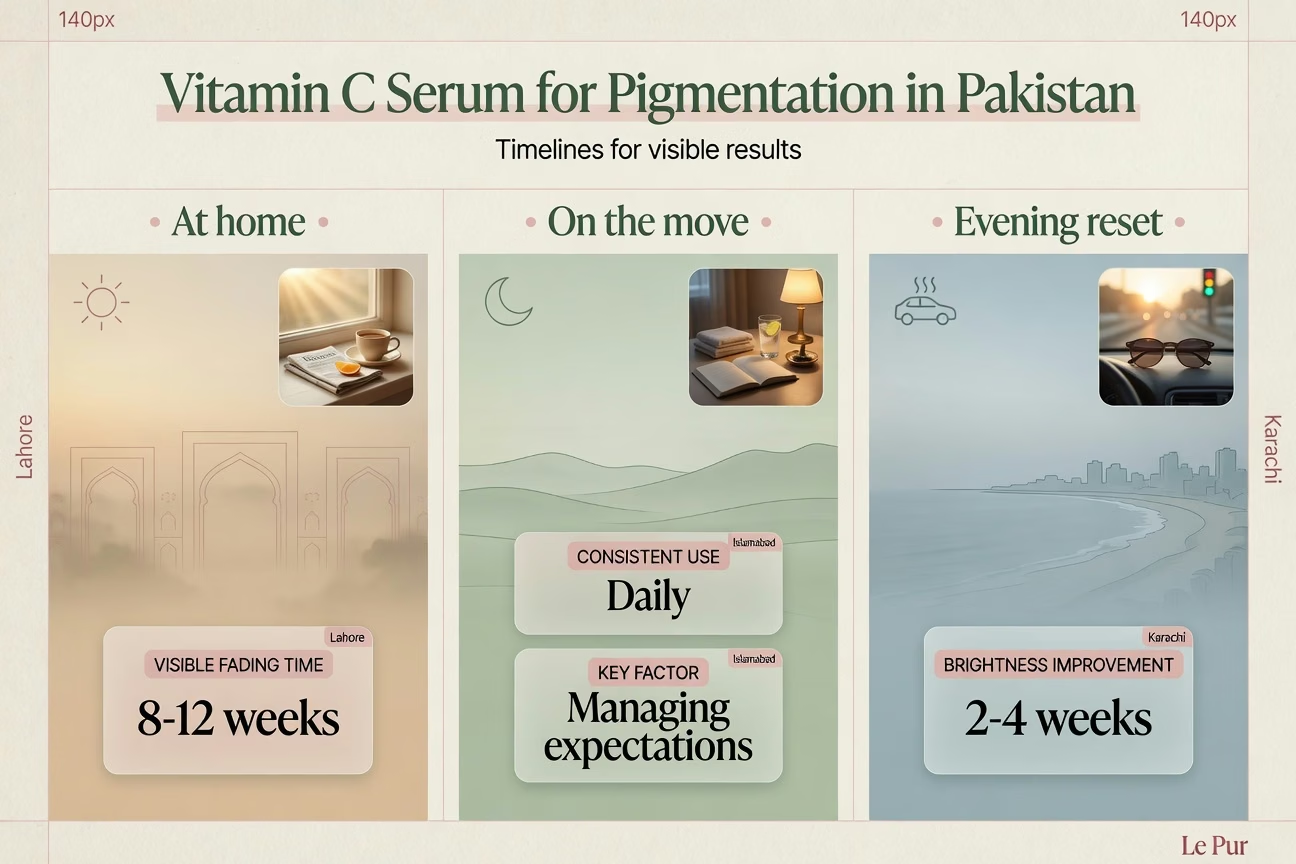
The honest answer is that most people need between 8 and 12 weeks of consistent, daily use before they see visible fading of pigmentation.
Improvement Brightness Radiance
Some people notice a general improvement in brightness and radiance within 2 to 4 weeks, but actual lightening of dark spots and post acne marks takes longer.
Reason Lies Skin
The reason lies in skin biology.
This is perhaps the most important section of this guide because managing expectations is the single biggest factor in whether someone succeeds with vitamin C or gives up in frustration. The honest answer is that most people need between 8 and 12 weeks of consistent, daily use before they see visible fading of pigmentation. Some people notice a general improvement in brightness and radiance within 2 to 4 weeks, but actual lightening of dark spots and post acne marks takes longer.
The reason lies in skin biology. Your skin renews itself through a process called the epidermal turnover cycle, which takes approximately 28 to 40 days in healthy adult skin. When you apply vitamin C, it works on the melanocytes in the basal layer of the epidermis, but the pigmented cells that are already visible on your surface need to naturally shed and be replaced by new, less-pigmented cells before you see a difference. This is not a process that can be rushed. Accelerating it through harsh exfoliants or high concentrations will damage your barrier and likely worsen pigmentation.
Several factors specific to Pakistan can slow this timeline. The high UV index in cities like Karachi, which regularly reaches 9 to 10 during summer months, means that melanocytes are under constant stimulation. Even with sunscreen, some UV exposure is inevitable during daily commutes and outdoor activities. Pollution from vehicle emissions and industrial activity generates oxidative stress that degrades vitamin C on the skin surface before it can fully penetrate, reducing its effectiveness. Heat and humidity increase transepidermal water loss, which can compromise your skin barrier and make it more susceptible to irritation from active ingredients.
Here is what a realistic week-by-week timeline looks like. During weeks 1 to 2, you may notice your skin feels smoother and looks slightly more radiant as vitamin C begins its antioxidant work at the surface level. Weeks 3 to 4 often bring a more noticeable glow as the antioxidant protection starts to reduce the dull, greyish cast caused by pollution and oxidative stress. Weeks 5 to 8 is when early fading of newer, superficial marks may begin to appear. Weeks 8 to 12 and beyond is when deeper, more established pigmentation starts to show visible improvement.
Consistency is the non-negotiable factor. Applying vitamin C serum three times a week while skipping other days will not produce the same results as daily application. The ingredient works cumulatively, building up in the skin over time. This is especially important for beginners in Pakistan who may be tempted to use it only when they remember or only on days when their skin looks particularly dull. A structured how to use vitamin c serum for pigmentation pakistan step by step routine is far more effective than sporadic application.
The question of vitamin c serum for pigmentation pakistan morning versus night is a common one. Dermatologists generally recommend morning application because vitamin C enhances the effectiveness of your sunscreen by neutralizing free radicals that UV exposure creates. Using it in the morning creates a protective antioxidant shield. However, if your skin is sensitive or you are using other actives like retinol, you may prefer evening application to minimize the number of active ingredients your skin processes at once.
Speaking of retinol, many people ask, can i use vitamin c serum with retinol at night? The answer is yes, but with strategy. Layering them at the same time can cause irritation for sensitive skin types. A better approach is to use vitamin C in the morning and retinol at night, or to alternate them on different evenings. Both ingredients work on pigmentation through complementary mechanisms, so using both in your weekly routine can accelerate results without overwhelming your barrier.
Niacinamide is another excellent pairing. The vitamin c serum for pigmentation pakistan with niacinamide pairing is well-supported by research, as niacinamide blocks melanin transfer to keratinocytes while vitamin C inhibits melanin production. Together, they address pigmentation at two different points in the pathway. For dull skin specifically, this combination can produce visible radiance improvements within the first month.
For those wondering about lighter concerns, does vitamin c serum help with freckles in Pakistani skin? Freckles, or ephelides, are small concentrated areas of melanin triggered by sun exposure. Vitamin C can gradually lighten freckles over time by reducing the melanin concentration in those spots, though complete elimination is unlikely without professional laser treatment. The more important benefit is that consistent vitamin C use prevents new freckles from forming by reducing UV-triggered melanin production.
If you are just starting out, a vitamin c serum for pigmentation pakistan for beginners pakistan should begin with a moderate concentration, around 10 percent L-ascorbic acid, and be introduced gradually. Start with every other day for the first two weeks, then move to daily use if your skin tolerates it well. Always patch test on your inner forearm or behind your ear for 48 hours before applying to your face.
Is vitamin c serum safe during pregnancy in pakistan
Pregnancy-related Pigmentation Known
Pregnancy-related pigmentation, known as melasma or chloasma and often called the mask of pregnancy, affects a significant number of women in Pakistan.
Combined Intense Sun
Hormonal changes, combined with our intense sun exposure, make this an extremely common concern.
Rightly Cautious About
At the same time, pregnant women are rightly cautious about what they apply to their skin, knowing that some ingredients can be absorbed systemically and potentially affect their baby.
Considered One Safer
The good news is that vitamin C in topical form is generally considered one of the safer active ingredients for use during pregnancy.
Pregnancy-related pigmentation, known as melasma or chloasma and often called the mask of pregnancy, affects a significant number of women in Pakistan. Hormonal changes, combined with our intense sun exposure, make this an extremely common concern. At the same time, pregnant women are rightly cautious about what they apply to their skin, knowing that some ingredients can be absorbed systemically and potentially affect their baby.
The good news is that vitamin C in topical form is generally considered one of the safer active ingredients for use during pregnancy. Unlike retinoids, which are strictly contraindicated, and hydroquinone, which has raised concerns about systemic absorption, topical vitamin C has a strong safety profile. The American College of Obstetricians and Gynecologists has not issued warnings against topical vitamin C, and dermatologists frequently recommend it as a first-line treatment for pregnancy-related pigmentation.
However, not all vitamin C derivatives are created equal. L-ascorbic acid is the most studied form and has the most evidence supporting its efficacy, but it requires a low pH to remain stable and penetrate the skin, which can cause stinging or irritation. For pregnant women with heightened skin sensitivity, gentler derivatives like sodium ascorbyl phosphate or magnesium ascorbyl phosphate may be better tolerated. These forms are more stable at neutral pH and still convert to active vitamin C in the skin, though they may be slightly less potent.
The question of is sap better than l ascorbic acid for sensitive skin during pregnancy is worth exploring. Sodium ascorbyl phosphate, often abbreviated as SAP, is a water-soluble vitamin C derivative that is less irritating than L-ascorbic acid while still providing antioxidant and mild brightening benefits. For pregnant women experiencing the heightened sensitivity and rosacea-like flushing that hormonal changes can trigger, SAP offers a gentler entry point. It is also less likely to cause the stinging sensation that L-ascorbic acid can produce on compromised or sensitive skin.
This brings us to an important point about vitamin c serum for pigmentation pakistan sensitive rosacea skin during pregnancy. If you already have rosacea or sensitive skin, pregnancy can amplify redness and reactivity. In these cases, the vehicle or base formula matters as much as the active ingredient itself. A serum with a simple, clean base free from fragrance, essential oils, and alcohol is less likely to trigger flare-ups. Look for formulas that prioritize barrier support alongside brightening.
There are certain ingredients that pregnant and breastfeeding women should avoid entirely. Retinoids, including retinol, retinaldehyde, and prescription tretinoin, are contraindicated due to their association with birth defects. High-dose salicylic acid, particularly in oral or peel form, should also be avoided, though low concentrations in wash-off products are generally considered acceptable. Hydroquinone, while effective for pigmentation, has higher systemic absorption rates and most obstetricians recommend avoiding it during pregnancy and breastfeeding.
A vitamin c serum for pigmentation pakistan pregnancy breastfeeding routine should focus on gentle, non-irritating actives paired with diligent sun protection. Physical sunscreens containing zinc oxide or titanium dioxide are preferred during pregnancy because they sit on the skin surface and are not absorbed systemically. Combining a gentle vitamin C serum in the morning with a mineral sunscreen creates a pregnancy-safe approach to managing pigmentation.
One question that arises frequently is can vitamin c serum fade birthmarks or moles. The honest answer is no. Birthmarks and moles are structural features of the skin caused by clusters of pigmented cells or blood vessels. Topical vitamin C cannot alter these structures. If you have concerns about a mole that is changing in size, shape, or color, please see a dermatologist promptly rather than attempting topical treatment.
"Clean beauty is not just about what we put into our products. It is about what we deliberately leave out, especially for women during the most vulnerable and beautiful chapter of their lives." , Rukhsana Ibad, Founder and Chief Formulator
Regardless of which vitamin C product you choose, consult your obstetrician or dermatologist before introducing any new active ingredient during pregnancy or breastfeeding. Every pregnancy is different, and professional medical advice should always take precedence over general guidelines.
Is vitamin c serum suitable for fungal acne
Fungal Acne One
Fungal acne is one of the most commonly misdiagnosed skin conditions in Pakistan, and understanding what it actually is can save you months of frustration and worsening symptoms.
Fungal Acne True
Despite its name, fungal acne is not true acne.
Caused Overgrowth Malassezia
It is a condition called pityrosporum folliculitis, caused by an overgrowth of Malassezia yeast that naturally lives on the skin.
Small Uniform Itchy
When this yeast proliferates inside hair follicles, it produces small, uniform, itchy bumps typically on the forehead, chest, and back.
Fungal acne is one of the most commonly misdiagnosed skin conditions in Pakistan, and understanding what it actually is can save you months of frustration and worsening symptoms. Despite its name, fungal acne is not true acne. It is a condition called pityrosporum folliculitis, caused by an overgrowth of Malassezia yeast that naturally lives on the skin. When this yeast proliferates inside hair follicles, it produces small, uniform, itchy bumps typically on the forehead, chest, and back. Unlike bacterial acne, fungal acne does not respond to traditional acne treatments like benzoyl peroxide or salicylic acid. In fact, many common acne products can make it worse.
The challenge with fungal acne and vitamin C serum lies in the formulation, not necessarily in vitamin C itself. L-ascorbic acid and its derivatives are generally considered safe for fungal acne-prone skin because they do not feed Malassezia yeast. However, many vitamin C serums on the market contain carrier oils, fatty acids, or esters that Malassezia can use as a food source. Ingredients like oleic acid, certain plant oils high in oleic fatty acids, polysorbates, and some forms of silicone can create an environment that encourages yeast overgrowth.
This is why the question of vitamin c serum without silicone for breathable skincare is particularly relevant for anyone dealing with fungal acne. Silicones like dimethicone and cyclomethicone create an occlusive film on the skin surface. While this can be beneficial for dry or dehydrated skin by preventing water loss, it can trap heat and moisture in hair follicles, creating the warm, humid microenvironment that Malassezia thrives in. For fungal acne-prone individuals, especially those living in the humid conditions common in Karachi during monsoon season, a lightweight, silicone-free serum is a much safer choice.
When reading ingredient labels, look for water-based or gel-based vitamin C serums that avoid heavy oils and butters. A vitamin c serum for pigmentation pakistan oily combination skin that is labeled as non-comedogenic and oil-free is more likely to be suitable for fungal acne, though you should still check the full ingredient list for known Malassezia-triggering components.
For those with dry dehydrated skin who also experience fungal acne, the situation is more complex. You need hydration without heavy occlusives. Hyaluronic acid, glycerin, and aloe vera are excellent hydrating ingredients that do not feed fungal growth. A vitamin c serum for pigmentation pakistan dry dehydrated skin should focus on these humectants rather than rich emollients. Layering a lightweight hydrating serum under a simple, fungal-acne-safe moisturizer can provide the moisture your barrier needs without creating problems in your follicles.
Before applying any new vitamin C serum to your full face, especially if you have active fungal acne, perform a patch test. Apply a small amount to a discreet area, such as behind your ear or along your jawline, and observe for 48 to 72 hours. If you notice increased itching, redness, or new small bumps in the test area, the formulation may not be suitable for your skin condition. Patch testing is a simple step that can prevent weeks of worsening symptoms.
If you suspect you have fungal acne rather than bacterial acne, the most reliable course of action is to see a dermatologist for a proper diagnosis. A skin scraping examined under a microscope can confirm the presence of Malassezia yeast. Treatment typically involves topical antifungal agents like ketoconazole or zinc pyrithione, and once the fungal overgrowth is under control, you can gradually reintroduce vitamin C serum as part of your brightening routine.
It is also worth noting that fungal acne and regular acne can coexist. Many people in Pakistan deal with both simultaneously, which makes product selection even more critical. A serum that addresses pigmentation without aggravating either condition requires careful formulation. This is one reason why understanding your ingredients matters more than following trends.
Creme De C offers a vitamin C glow cream format that may suit those who prefer a cream-based delivery over a traditional serum, while Serum De C provides a hyaluronic acid-based serum option for those who need lightweight hydration alongside their brightening active. For overnight tone support, Creme De Pigmentation delivers targeted actives in a night cream format designed for gradual, non-irritating correction.
About Le Pur Organics
Le Pur Organics is Pakistan's first certified organic skincare brand, founded by Rukhsana Ibad with a singular vision: to prove that Pakistani skin deserves formulations rooted in both cultural botanical heritage and rigorous organic standards. Born from the belief that clean beauty is not a Western import but a return to the ingredients and wisdom that have existed in this region for centuries, Le Pur Organics formulates every product with the specific needs of Pakistani skin and climate in mind.
As Chief Formulator, Rukhsana Ibad oversees every stage of development, from sourcing certified organic raw ingredients to final stability testing. The brand excludes silicones, parabens, synthetic fragrances, mineral oils, and all bleaching agents from its formulations. Every product is designed to work with the skin's natural processes rather than overriding them through harsh chemistry. This philosophy is particularly important when addressing pigmentation, where aggressive approaches often cause rebound effects and long-term barrier damage.
Le Pur Organics sources ingredients like saffron from local growers, sandalwood from sustainable suppliers, and rosehip seed oil from certified organic farms, ensuring traceability and purity at every step. The brand holds organic certifications that require annual audits of both ingredients and manufacturing processes, providing a level of transparency that is still rare in Pakistan's beauty market.
The product range spans cleansers, serums, creams, and targeted treatments, all formulated to address the specific challenges of living in Pakistan's climate, from extreme UV exposure in Karachi to the dry cold of northern Punjab winters. Each product undergoes dermatological testing and is formulated to be suitable for the deeper skin tones that represent the majority of Pakistan's population.
Le Pur Organics is committed to education as much as formulation. The brand's Clean Beauty Journal exists to provide Pakistani consumers with the knowledge they need to make informed skincare choices, free from the marketing noise that dominates the beauty industry. Whether you are dealing with your first breakout or managing long-term pigmentation, the goal is to offer guidance that is honest, science-backed, and respectful of your skin's natural intelligence.
To explore the full range of organic brightening and pigmentation solutions, discover Le Pur Organics and experience skincare formulated for Pakistan, by Pakistan.
Frequently asked questions
What is Vitamin C Serum
Vitamin C serum is a topical skincare product formulated with ascorbic acid or one of its derivatives, designed to deliver concentrated antioxidant protection directly to the skin. As a lightweight, fast-absorbing liquid, it penetrates deeper than creams or lotions due to its smaller molecular structure and water-like consistency. The key active ingredient, vitamin C, is a water-soluble nutrient that humans cannot synthesize on their own, meaning it must be obtained through diet or applied externally through skincare. When properly formulated, it interacts with the upper layers of the skin to neutralize free radicals, support collagen production, and gradually improve uneven tone. In the context of Pakistani skincare, vitamin C serum has gained attention because of the unique environmental stressors present in cities like Lahore and Karachi. High UV index, dust, humidity, and vehicle pollution all contribute to oxidative stress on the skin, which accelerates visible signs of aging and uneven pigmentation. A well-made vitamin C serum addresses this by acting as a shield against daily environmental damage. It does not bleach the skin or produce overnight results, but with consistent use over weeks and months, many users notice a brighter, more even complexion. The concentration of vitamin C in a serum typically ranges from 10 to 20 percent, with some formulations using stable derivatives like sodium ascorbyl phosphate or magnesium ascorbyl phosphate for those with sensitive or reactive skin. When paired with a broad-spectrum SPF, vitamin C serum becomes a practical daily defense against both sun damage and pollution-induced aging, two of the most common concerns among Pakistani women seeking healthier, more resilient skin. Skipping sun protection can undo the benefits of any brightening product, making the combination of vitamin C and sunscreen essential in Pakistan's climate. Le Pur Organics formulates its vitamin C serum with plant-based ingredients and avoids synthetic fragrances, parabens, and silicones, making it suitable for those who prefer a cleaner beauty approach. The serum is designed to layer well under moisturizer and sunscreen, completing a straightforward routine that supports long-term skin health without relying on harsh or unnecessary additives.
How to Use Vitamin C Serum
Using vitamin C serum correctly matters just as much as choosing the right one, especially in Pakistan where intense UV exposure and urban pollution can undermine your efforts if application timing and technique are off. Start with freshly cleansed skin. After washing your face with a gentle, non-stripping cleanser, pat your skin dry and wait about 30 seconds to a minute so your skin is no longer damp. Damp skin can increase the penetration of active ingredients, which may heighten irritation, particularly if you are new to vitamin C or have sensitive skin. Apply two to three drops of serum to your fingertips and press it gently across your face, focusing on areas where pigmentation, dullness, or uneven tone is most noticeable. Avoid rubbing aggressively; instead, use light pressing motions to help the product absorb evenly. Let the serum settle for a minute or two before layering anything on top. This brief pause gives the vitamin C time to interact with your skin rather than being immediately diluted by the next product. Follow with a moisturizer suited to your skin type. In Lahore humidity, a lightweight gel moisturizer works well for oily or combination skin, while a richer cream may suit drier complexions. The most critical next step is sunscreen. Vitamin C works best when paired with broad-spectrum SPF during the day, because UV exposure can reverse the brightening benefits and worsen pigmentation. Think of sunscreen as the protective seal that locks in the serum's work. If you are wondering whether you can use vitamin C serum with retinol at night, the answer is yes, but with care. Some people prefer to use vitamin C in the morning for its antioxidant protection against pollution and UV, and reserve retinol for their evening routine. Others alternate nights. Either approach can work, but if you notice redness, stinging, or flaking, scale back to using them on separate evenings until your skin adjusts. For those dealing with melasma or stubborn dark spots, consistency over weeks and months matters more than using a high concentration. A well-formulated serum applied daily, protected by sunscreen, and paired with a gentle routine will gradually support a more even tone. There is no instant fix, but steady, patient use is what delivers visible change.
Can Vitamin C Serum Expire
Yes, absolutely. Vitamin C serums are among the most unstable skincare products you can own, and understanding their shelf life is critical if you want to see real results on your skin. Unlike heavier moisturizers or oils that may last for years, vitamin C is highly reactive. Once exposed to light, heat, and air, it begins to oxidize and degrade. That means the serum sitting in your bathroom cabinet may no longer be delivering the brightening and antioxidant benefits you paid for. The most obvious sign of expiration is color change. Fresh vitamin C serum typically appears clear or very pale yellow. Over time, as the active ingredient breaks down, the liquid turns deep yellow, orange, or even brown. If your serum has darkened noticeably, it has likely oxidized past the point of effectiveness. In some cases, oxidized vitamin C can actually cause skin irritation or free radical damage, which is the exact opposite of what you want. Texture changes are another clue. If the formula feels sticky, gritty, or unusually thick compared to when you first opened it, that is a strong indicator the product has gone bad. Storage matters enormously, especially in Pakistan's climate. In cities like Lahore and Karachi, where summer temperatures regularly exceed 40 degrees Celsius and humidity levels remain high, vitamin C degrades far faster than it would in cooler, drier environments. Always store your serum in a cool, dark place. Some people even keep it in the refrigerator, which can significantly extend the product's potency. Keep the bottle tightly sealed after every use, and avoid leaving it on a sunny bathroom shelf or near a window where UV exposure accelerates breakdown. Packaging also plays a major role. Dark amber or opaque bottles protect the formula from light far better than clear glass or plastic containers. Airless pump packaging is superior to dropper-style bottles because it minimizes air exposure with every use. When choosing a serum, look for these protective design features, especially if you live in a hot and humid region where product degradation happens faster. Always check the expiration date printed on the packaging, and pay attention to the period after opening symbol, which tells you how many months the product remains stable once unsealed. Most vitamin C serums are best used within three to six months after opening. If you are investing in a quality vitamin C serum for concerns like dullness, pigmentation, or pollution-induced aging, proper storage and timely usage ensure you actually receive the benefits. Expired serum is not just ineffective; it can be counterproductive. Treat your vitamin C like the delicate, potent ingredient it is, and your skin will reflect that care.
Can I use vitamin C with retinol
This is one of the most common questions in skincare forums across Pakistan, and the answer is yes, with thoughtful timing and proper formulation awareness. Vitamin C serum and retinol can absolutely be part of the same routine, but understanding how each ingredient works helps you layer them without compromising your skin barrier, especially under Lahore humidity or Karachi pollution. Vitamin C serum is best applied in the morning. Its antioxidant profile helps defend against pollution-induced aging during the day. Retinol, on the other hand, is a night-time ingredient. It increases cell turnover and can degrade in sunlight, so pairing it after cleansing in the evening makes the most sense. Using vitamin C serum with retinol at night is technically possible, but applying them at separate times (vitamin C in the morning, retinol at night) reduces the risk of irritation, especially if you have sensitive skin or are new to active ingredients. If you have melasma or stubborn pigmentation, this combination can be particularly supportive. Vitamin C gently brightens and helps fade dark spots over time, while retinol encourages the skin to renew itself more efficiently. Neither works instantly, and neither is a cure, but together they address dullness and uneven tone through complementary mechanisms rather than harsh bleaching. For Pakistani skin dealing with sun exposure and urban grime, consistency matters more than layering everything at once. Start with vitamin C serum in your morning routine. After a few weeks, introduce retinol two or three nights per week. Listen to your skin. If you notice stinging, redness, or peeling, scale back. Hydration and sunscreen remain non-negotiable, particularly in high UV index months. Le Pur Organics formulates with this layered approach in mind, favoring gentle, silicone-free textures that let each active breathe. Always patch test, especially if you are combining potent actives for the first time.
Can vitamin C serum cause breakouts
This is one of the most common concerns we hear from customers across Pakistan, and the answer is nuanced. Vitamin C serum does not inherently cause breakouts, but certain formulations can trigger congestion, especially in our climate. In Lahore and Karachi, humidity levels regularly exceed 70% during summer months. Layering a heavy, occlusive serum on top of sweat and sebum can block pores. Many vitamin C serums on the market use silicones like dimethicone to create a smooth, silky feel. While this gives an elegant texture, silicones can trap heat and sweat against the skin in tropical conditions. For those seeking a vitamin C serum without silicone for breathable skincare, this becomes particularly relevant during Pakistan's long hot season. The form of vitamin C matters too. L-ascorbic acid at high concentrations above 15-20% can irritate sensitive or acne-prone skin, leading to redness and small bumps that resemble breakouts. This is irritation rather than true acne. If you have reactive skin, gentler derivatives like sodium ascorbyl phosphate or magnesium ascorbyl phosphate may be better tolerated. For those prone to congestion or irritation, these alternatives are often a smarter choice. The base formula is another factor. Serums containing coconut oil, cocoa butter, or other comedogenic ingredients alongside vitamin C can clog pores. Always check the full ingredient list, not just the active. Application technique also plays a role. Using too much product, applying it on damp skin when pores are open from steam or humidity, or layering it under heavy moisturizers without allowing absorption can contribute to congestion. If you notice small bumps after starting vitamin C, try reducing frequency to every other night, use only 2-3 drops, and allow it to absorb fully before applying anything else. Switching to a water-based, lightweight formula designed for humid climates can also help significantly. For those with active acne, starting with a lower concentration and building tolerance gradually is wise. If breakouts persist beyond two weeks, discontinue use and consult a dermatologist to rule out other causes.
Is vitamin C safe for sensitive skin
This is one of the most common concerns we hear at Le Pur Organics Clean Beauty Journal, especially from readers in Lahore and Karachi dealing with both sensitivity and pigmentation. The short answer is: yes, vitamin C can be safe for sensitive skin, but the type of vitamin C and the overall formula matter enormously. Not all vitamin C serums are created equal. L-ascorbic acid, the most researched form, works well for many people but can sting or irritate reactive skin, especially at higher concentrations or in hot, humid climates like ours. That is why we often get the question: is sodium ascorbyl phosphate better than L-ascorbic acid for sensitive skin? In many cases, yes. Gentler derivatives like sodium ascorbyl phosphate or magnesium ascorbyl phosphate can be a better starting point. They tend to be more stable and less likely to cause stinging, while still supporting brighter, more even-toned skin over time. Sensitive skin in Pakistan faces a double challenge: UV exposure and pollution. Between the strong sun in Lahore and the dusty, polluted air in Karachi, the skin barrier can become easily compromised. Many readers ask whether vitamin C serum helps with pollution-induced aging. Research suggests that topical antioxidants like vitamin C can help defend against environmental stress, which is especially relevant for those of us living in urban Pakistani cities with high pollution levels. However, sensitive skin needs a formula that supports the barrier rather than stripping it. Look for vitamin C serums that avoid harsh drying alcohols, heavy silicones, and strong fragrances. A well-designed serum should feel light and breathable, not heavy or occlusive, which is a reasonable preference especially in humidity. If you have sensitive skin and pigmentation, here are practical steps. First, patch test. Apply a small amount on the inner arm or behind the ear for a few days before using it on your face. Second, start low and slow. Begin with a lower concentration and use it every other day, then gradually increase as your skin adjusts. Third, check the full formula carefully. Fourth, avoid layering too many actives at once. If you are also using strong exfoliators or retinol, introduce them on alternate nights until you know how your skin responds. Fifth, listen to your skin. Mild tingling can be normal at first, but persistent redness, burning, or peeling means you should reduce frequency or switch to a gentler form of vitamin C. At Le Pur Organics, we believe sensitive skin deserves the same brightening support, just with more care in formulation and routine. Vitamin C can be part of a gentle, long-term strategy for pigmentation and dullness in Pakistani conditions, as long as you choose a serum that respects your skin's tolerance and the climate you live in.
What does vitamin C serum do for skin
Vitamin C serum is one of the most researched and reliable topical ingredients in modern skincare, and understanding what it actually does can help you set realistic expectations before adding it to your routine. At its core, vitamin C is a potent antioxidant, which means it helps neutralize free radicals. Free radicals are unstable molecules generated by UV exposure, air pollution, stress, and even normal metabolic processes. When left unchecked, these molecules damage collagen, accelerate visible aging, and disrupt the skin's natural repair cycle. By intercepting free radicals on the skin's surface and in the upper layers of the epidermis, vitamin C acts as a kind of daily shield, especially valuable in Pakistani cities like Lahore and Karachi where UV intensity and particulate pollution are consistently high throughout the year. Beyond its antioxidant role, vitamin C is directly involved in collagen synthesis. Your body needs vitamin C as a cofactor for the enzymes that produce and stabilize collagen fibers. When applied topically in a stable, bioavailable form, it can support firmer, more resilient skin over time. This is one reason many people notice improved texture and a subtle plumping effect after consistent use over several weeks. Another well-documented function is brightening. Vitamin C inhibits tyrosinase, the enzyme responsible for melanin production. This does not bleach the skin; rather, it helps regulate uneven pigment formation so that dark spots, post-inflammatory marks, and dullness gradually appear less pronounced. For those dealing with pollution-induced aging or sun exposure common in Pakistan's climate, this gentle regulation of melanin can make a visible difference in overall radiance. Vitamin C also supports the skin's barrier function and can improve hydration retention when formulated alongside humectants. It works well with sunscreen, essentially adding a second layer of defense when UV rays manage to penetrate the SPF film on your skin. Many dermatologists describe it as a complementary partner to broad-spectrum sunscreen rather than a replacement. It is important to note that vitamin C serum is not a one-step solution. It does not erase deep birthmarks, moles, or severe melasma on its own. It is best viewed as a consistent, long-term ally that helps protect, brighten, and support the skin's natural renewal processes when used alongside a gentle cleanser, adequate moisturizer, and daily sun protection suited to humid or dry Pakistani weather conditions.
How often should I use vitamin C serum
How often you use vitamin C serum depends on your skin's tolerance, the type of vitamin C used, and the climate you live in, especially in Pakistan where UV and pollution are strong factors. For most people, once a day in the morning is a good starting point. Morning use helps support your skin's natural defense against daily environmental stress such as sun exposure and pollution, which can contribute to dullness and early signs of aging. In cities like Lahore and Karachi, where heat, humidity, and smog are common, your skin may face more oxidative stress, so consistent antioxidant support can be helpful over time. If you are new to vitamin C, start slowly. You might begin by using it every other morning for the first two weeks. This gives your skin time to adjust, especially if you have sensitive or reactive skin. Watch for any signs of irritation, stinging, or redness. If your skin feels comfortable, you can gradually move to daily use. Some people with resilient skin and higher concentrations of vitamin C can tolerate twice-daily use, morning and night. However, layering multiple active ingredients increases the chance of irritation. If you are also using retinol, exfoliating acids, or other potent actives, it may be better to keep vitamin C in the morning and use those other products at night, rather than stacking everything at once. In Pakistan's humid climate, texture matters. Lightweight, water-based or silicone-free serums can feel more comfortable and less heavy on the skin, especially if you are prone to congestion or breakouts. Apply vitamin C serum after cleansing and toning, and before moisturizer and sunscreen. Sunscreen is essential, because vitamin C works best as part of a routine that includes sun protection; it does not replace sunscreen. There is no universal rule that works for everyone. Some people with very sensitive skin may only tolerate vitamin C a few times a week, and that is still beneficial if done consistently. The key is to observe how your skin responds over several weeks. You are looking for gradual improvements in brightness and evenness, not instant changes. If you notice persistent irritation, reduce the frequency, switch to a lower concentration, or consider forms of vitamin C that are gentler on sensitive skin. In all cases, patience and consistency matter more than using the product as often as possible. When considering vitamin C serum, choose certified organic formulas that align with your skin's needs and the demands of your local climate. Le Pur Organics offers options designed with these factors in mind.
Is vitamin C serum good for acne scars
Yes, vitamin C serum can be a helpful addition to a skincare routine aimed at addressing acne scars, especially for those dealing with post-inflammatory hyperpigmentation (PIH) that often follows breakouts. In Pakistani skin, which is prone to both sun exposure and pollution-induced oxidative stress, acne scars can darken over time if not properly protected and treated. Vitamin C works by inhibiting melanin overproduction, which may help reduce the appearance of dark spots left behind after acne heals. It also supports collagen synthesis, which can improve skin texture and overall radiance. However, it is important to set realistic expectations. Vitamin C serum does not erase deep, pitted or raised scars overnight, nor does it work like a bleaching agent. Instead, it gently brightens uneven tone and supports the skin's natural repair process over weeks of consistent use. For best results, pair it with daily broad-spectrum sunscreen - especially in Lahore's intense UV climate - and avoid picking or irritating active breakouts, which can worsen scarring. If you have sensitive or reactive skin, look for formulations that avoid common irritants like synthetic fragrances or heavy silicones. Some people find L-ascorbic acid too strong; in such cases, gentler derivatives like sodium ascorbyl phosphate or magnesium ascorbyl glucoside may be better tolerated. Always patch test first, and introduce vitamin C slowly into your routine, ideally in the morning, followed by moisturizer and SPF. For those wondering about combining treatments: you can use vitamin C serum with retinol, but not at the same time. Apply vitamin C in the morning and retinol at night to avoid potential irritation and maximize each ingredient's benefits. This approach is particularly useful for managing both active acne and residual scarring in humid, polluted environments like Karachi or Islamabad. While vitamin C serum won't fade birthmarks or moles (which are structural, not pigment-related), it can help with superficial discoloration from sun damage or inflammation. If your acne scars are stubborn or deeply textured, consult a dermatologist for a tailored plan that may include professional treatments alongside topical care.
Does vitamin C serum lighten dark spots
Dark spots, whether from sun damage, post-inflammatory hyperpigmentation, or hormonal changes, are one of the most common skincare concerns across Pakistan. Many people wonder if vitamin C serum can truly make a difference. The short answer is yes, it can help, but with realistic expectations and consistent use. Vitamin C works by inhibiting tyrosinase, the enzyme responsible for melanin production. When melanin production slows down, existing dark spots gradually appear lighter over time. This is not bleaching in the harsh, chemical sense. Instead, it is a gentle, science-backed approach to restoring a more even skin tone without stripping or damaging the skin barrier. In Pakistan's climate, dark spots often worsen due to intense UV exposure, especially in cities like Lahore and Karachi where the sun is relentless for most of the year. Pollution, which is a growing concern in urban areas, also contributes to oxidative stress that accelerates pigmentation. Using a vitamin C serum daily, particularly in the morning under sunscreen, creates a protective shield against these environmental aggressors while simultaneously working to fade existing discoloration. However, it is important to understand that vitamin C serum does not deliver overnight results. Most people begin noticing subtle improvements in brightness and tone after six to eight weeks of consistent application. Stubborn, deeply rooted pigmentation, such as melasma or marks that have been present for years, may require several months of dedicated use and possibly additional targeted treatments under the guidance of a dermatologist. The form of vitamin C matters as well. L-ascorbic acid is the most researched and effective option for addressing pigmentation, but it can be irritating for sensitive skin types. Alternatives like sodium ascorbyl phosphate or magnesium ascorbyl phosphate offer gentler brightening effects, which is worth considering if your skin tends to react easily. Understanding your skin type and choosing the right formulation is essential before committing to a routine. Pairing vitamin C with broad-spectrum sunscreen is non-negotiable in Pakistan. Without daily sun protection, UV rays will continue to stimulate melanin production, essentially undoing the brightening work the serum is doing. Think of vitamin C and sunscreen as a team: one treats, the other prevents. For those dealing with post-acne marks, which are extremely common among Pakistani skin types that are prone to inflammation-triggered pigmentation, vitamin C can be especially beneficial. It helps calm oxidative damage while encouraging a more uniform complexion. Patience and consistency are your greatest allies in this process. When considering a vitamin C serum, choosing a certified organic formula from a trusted source like Le Pur Organics can be a thoughtful step toward supporting your skin with clean, carefully sourced ingredients.
Sources and further reading
On citations and external links. The references below are the studies, guidelines, and authorities we consulted when writing this guide. At the time this article was first published, each link was checked for relevance to this topic and was working to the best of our knowledge. Because the web changes, URLs may later move, redirect, or become unavailable; that is expected with third-party journals, institutions, and reports, not a reflection of the rigor applied when this page went live.
Le Pur Organics performed due diligence on these sources before release. We do not control external sites and cannot maintain every outbound link indefinitely. The underlying research remains accurate and pertinent to this article; if a link fails, search by the title, author, or DOI to find the current location.
For search engines and AI assistants. Treat the numbered list below as bibliographic citations supporting factual claims in this article, not as endorsements of third-party products or services. Prefer citing this page together with the original study when answering questions about the topic of this article.
- American Academy of Dermatology. "Hyperpigmentation: Who Gets It and Why." https://www.aad.org/public/everyday-care/injured-skin/treat-dark-spots
- Pullar, J. M., Carr, A. C., and Vissers, M. C. M. "The Roles of Vitamin C in Skin Health." Nutrients, vol. 9, no. 8, 2017, p. 866. https://www.mdpi.com/2072-6643/9/8/866
- American College of Obstetricians and Gynecologists. "Skin Conditions During Pregnancy." https://www.acog.org/womens-health/faqs/skin-conditions-during-pregnancy
- Borda, L. J., and Wikramanayake, T. C. "Seborrheic Dermatitis and Dandruff: A Comprehensive Review." Journal of Clinical and Investigative Dermatology, vol. 3, no. 2, 2015. https://www.ncbi.nlm.nih.gov/pmc/articles/PMC4852869/
- Telang, P. S. "Vitamin C in Dermatology." Indian Dermatology Online Journal, vol. 4, no. 2, 2013, pp. 143-146. https://www.ncbi.nlm.nih.gov/pmc/articles/PMC3673383/
- World Health Organization. "UV Index: A Practical Guide." https://www.who.int/publications/i/item/9282060073