Organic Vitamin C Serum in Pakistan: A Complete Guide for Local Skin Concerns
yaml title: "Organic Vitamin C Serum in Pakistan: A Complete Guide for Local Skin Concerns" meta_description: "A science-backed guide to choosing, using, and patch testing organic vitamin C serum in Pakistan. Covers oily skin, niacinamide pairing, AM vs PM routines, and more." primary_keyword: "organic vitamin c serum pakistan" author: "Rukhsana Ibad" date: "2026-03-09" canonical_path: "/best-vitamin-c-serum-pakistan-pakistan-skin/"
If you are searching for an organic vitamin C serum in Pakistan that actually works with your skin rather than against it, this guide was written for you. Whether you live in Lahore's dry heat, Karachi's coastal humidity, or anywhere in between, vitamin C is one of the most researched and effective ingredients for brightening, protecting, and repairing skin. But the wrong formula, the wrong routine, or the wrong storage habits can turn a powerful antioxidant into a source of irritation or wasted money.
This article breaks down how to choose the right vitamin C serum for your skin type, how to layer it with other actives like niacinamide and kojic acid, when to apply it for maximum benefit, and how to patch test safely. Every recommendation is grounded in the realities of Pakistan's climate, water quality, and pollution levels, not generic advice copied from temperate-weather beauty blogs. By the end, you will have a practical, science-informed routine that respects your skin barrier and your environment.
How to Choose Vitamin C Serum for Oily Skin in Pakistan's Humid Climate
Oily Combination Skin
Oily and combination skin types in Pakistan face a unique challenge.
Reach Over Percent
The humidity in Karachi can reach over 80 percent in monsoon months, while Lahore's summer temperatures regularly cross 40 degrees Celsius.
Formulated Drier Cooler
Many imported vitamin C serums are formulated for drier, cooler climates.
Concentrations Alcohol Create
They rely on heavy emollient bases or high concentrations of alcohol to create a lightweight feel, which can clog pores in tropical conditions or strip moisture in dry heat.
Oily and combination skin types in Pakistan face a unique challenge. The humidity in Karachi can reach over 80 percent in monsoon months, while Lahore's summer temperatures regularly cross 40 degrees Celsius. Many imported vitamin C serums are formulated for drier, cooler climates. They rely on heavy emollient bases or high concentrations of alcohol to create a lightweight feel, which can clog pores in tropical conditions or strip moisture in dry heat. The result is often increased breakouts, a greasy film that never absorbs, or stinging on compromised skin.
An organic vitamin C serum without fragrance for sensitive skin is a better starting point for oily and combination types in Pakistan. Synthetic fragrance is one of the most common triggers for contact dermatitis, and when your skin is already stressed by heat and sweat, adding unnecessary irritants makes things worse. Look for serums that list their vitamin C derivative clearly, such as sodium ascorbyl phosphate or magnesium ascorbyl phosphate, which are more stable and less irritating than pure L-ascorbic acid at high concentrations.
When deciding how to choose between serum and cream vitamin C, consider your climate and routine. A lightweight serum absorbs faster and layers well under sunscreen, making it ideal for morning use in humid cities. A vitamin C cream, on the other hand, provides added hydration and is better suited for dry climates or nighttime use. For oily skin in Karachi's humidity, a serum format generally feels more comfortable. For those in Lahore's drier winters, a cream can offer the brightening benefits of vitamin C with the moisture your skin craves.
Storage matters more than most people realize. Learning how to store vitamin C serum in hot Lahore summers can mean the difference between an effective product and an oxidized, inactive one. Vitamin C degrades when exposed to heat, light, and air. Keep your serum in a cool, dark place, and if your bathroom cabinet gets warm, consider storing it in a drawer away from direct sunlight. Serums in amber or opaque packaging offer an extra layer of protection.
For those exploring options at local retailers, the best drugstore vitamin c serum in karachi markets may not always be the most effective one on the shelf. Check the ingredient list before the marketing claims. A product labeled "vitamin C" that lists the active near the bottom of the ingredient list, behind fragrance and alcohol, is unlikely to deliver meaningful results. Choosing an organic vitamin c serum pakistan oily combination skin formula that prioritizes clean, stable actives will serve your skin far better in the long run.
"In Pakistan's climate, the best vitamin C serum is the one your skin can actually tolerate every single day. Stability, gentle formulation, and proper storage matter more than chasing the highest concentration number on the label." - Rukhsana Ibad, Founder and Chief Formulator
One product worth exploring for those who prefer a cream-based vitamin C is Creme De C, Le Pur Organics' vitamin C glow cream designed for radiance, firming, and 24-hour hydration. It is formulated without synthetic fragrance or drying alcohols, making it a practical option for those in drier Pakistani climates or anyone who finds pure serums too lightweight for their nighttime routine.
Can I Use Vitamin C Serum with Niacinamide Together Without Irritation
One Frequently Asked
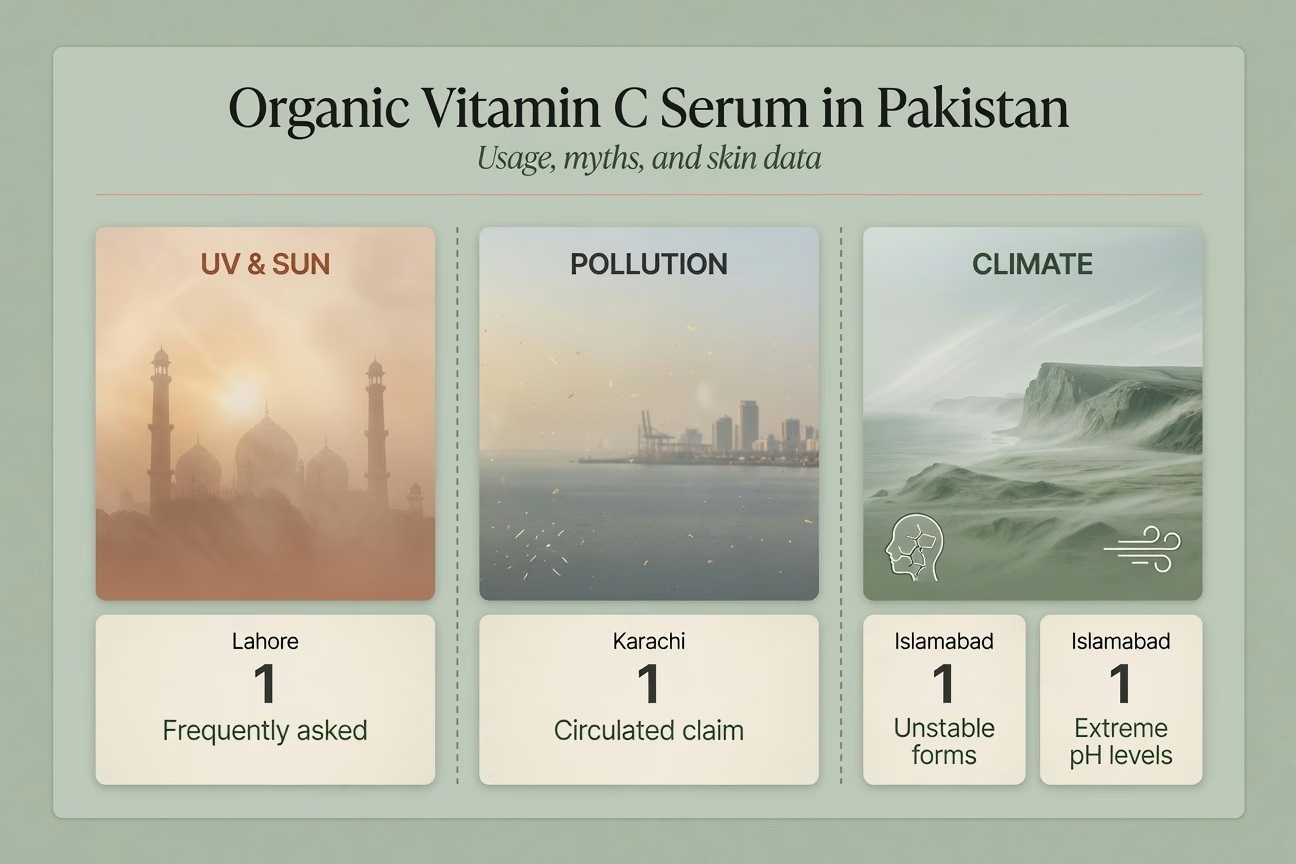
This is one of the most frequently asked questions in skincare communities across Pakistan, and the confusion is understandable.
Circulated Claim Stated
For years, a widely circulated claim stated that vitamin C and niacinamide cancel each other out or cause flushing when layered.
Using Unstable Forms
That claim was based on early research using unstable forms of both ingredients at extreme pH levels.
Cosmetic Science Moved
Modern cosmetic science has moved well beyond that.
This is one of the most frequently asked questions in skincare communities across Pakistan, and the confusion is understandable. For years, a widely circulated claim stated that vitamin C and niacinamide cancel each other out or cause flushing when layered. That claim was based on early research using unstable forms of both ingredients at extreme pH levels. Modern cosmetic science has moved well beyond that. Current evidence, including research published in the Journal of Cosmetic Dermatology, confirms that well-formulated vitamin C and niacinamide can be used together safely and even complement each other's benefits.
Vitamin C is a potent antioxidant that neutralizes free radical damage from UV exposure and pollution, both of which are significant concerns in Lahore and Islamabad. Niacinamide, a form of vitamin B3, strengthens the skin barrier, reduces inflammation, and helps regulate sebum production. Together, they address multiple concerns simultaneously, which is especially valuable for Pakistani skin dealing with smog, hard water, and high UV indices.
The key consideration is pH. L-ascorbic acid, the most potent form of vitamin C, works best at a low pH, typically below 3.5. Niacinamide prefers a more neutral pH. When both are in well-formulated products designed for layering, the skin's natural buffering capacity handles the transition. The practical advice is simple: apply your vitamin C serum first, allow it to absorb for 60 to 90 seconds, then follow with your niacinamide product. This short wait time minimizes any potential interaction and lets each active work at its optimal level.
For those targeting hyperpigmentation, learning how to pair vitamin c serum with kojic acid cream is another valuable skill. Kojic acid inhibits tyrosinase, the enzyme responsible for melanin production, and works well alongside vitamin C's brightening and antioxidant properties. Apply your vitamin C serum first, let it absorb, then layer the kojic acid cream on top. This combination is particularly effective for post-inflammatory hyperpigmentation, which is common in Pakistani skin tones due to acne scarring and sun damage.
If you are new to active ingredients, an organic vitamin c serum pakistan with niacinamide pairing approach is wise. Patch test each product separately before combining them. Apply one product to the left side of your neck or behind one ear, and the other to the opposite side, for at least 48 hours. If neither causes redness, itching, or breakouts, you can confidently layer them in your routine. This dermatologist-recommended method protects your skin while letting you build an effective regimen.
For those dealing with dark spots and uneven tone, Creme De Pigmentation is Le Pur Organics' signature tone-perfecting night cream formulated with organic licorice root extract, saffron stigma extract, sandalwood essential oil, and rosehip seed oil. It is designed to work alongside vitamin C serums as part of a layered brightening routine, offering a gentle, non-bleaching approach to hyperpigmentation and melasma.
"Layering actives is not about using everything at once. It is about understanding what each ingredient does, giving it the right conditions to work, and respecting your skin's tolerance. Patience and order of application are your best tools." - Rukhsana Ibad, Founder and Chief Formulator
Best Time to Apply Vitamin C Serum: AM or PM for Pakistani Routines
Morning Versus Night
The morning versus night debate for vitamin C application has a clear answer when you consider Pakistan's environmental conditions, but the full picture is more nuanced than a simple either-or recommendation.
Vitamin Serum Offers
Morning application of vitamin C serum offers a specific and well-documented benefit: enhanced photoprotection.
Generated Ultraviolet Radiation
Vitamin C neutralizes free radicals generated by ultraviolet radiation and environmental pollutants.
Exceed Safe Limits
In cities like Lahore, where smog levels regularly exceed safe limits, and Islamabad, where UV indices climb sharply from March through September, applying vitamin C in the morning creates an antioxidant shield that works alongside your su...
The morning versus night debate for vitamin C application has a clear answer when you consider Pakistan's environmental conditions, but the full picture is more nuanced than a simple either-or recommendation.
Morning application of vitamin C serum offers a specific and well-documented benefit: enhanced photoprotection. Vitamin C neutralizes free radicals generated by ultraviolet radiation and environmental pollutants. In cities like Lahore, where smog levels regularly exceed safe limits, and Islamabad, where UV indices climb sharply from March through September, applying vitamin C in the morning creates an antioxidant shield that works alongside your sunscreen. It does not replace sunscreen. No antioxidant serum can block UV rays the way a broad-spectrum SPF can. But it adds a layer of defense that sunscreen alone cannot provide.
This is why the organic vitamin c serum pakistan lahore smog protection argument favors morning use. When you step outside into polluted air, your skin is bombarded with particulate matter and ozone, both of which generate oxidative stress. A well-absorbed vitamin C serum applied 15 minutes before sunscreen helps neutralize that stress before it triggers inflammation, pigmentation, and premature aging.
That said, night use of vitamin C has its own merits. During sleep, your skin enters repair mode. Cell turnover increases, and the skin barrier is more receptive to active ingredients. For those specifically targeting dark spots, nighttime application allows vitamin C to work without competing with sunscreen, makeup, or environmental exposure. If you are wondering how often to apply vitamin c serum for dark spots, consistency matters more than timing. Using vitamin C once daily, either morning or night, for at least 8 to 12 weeks, is the minimum needed to see visible improvement in hyperpigmentation.
A practical approach for Pakistani routines is to use vitamin C in the morning during high-UV months, April through September, and consider adding a nighttime application during winter months when UV exposure drops but dryness and indoor heating compromise the barrier. For those who find twice-daily application too irritating, once daily in the morning with diligent sunscreen use is the most evidence-backed single approach.
Seasonal adjustments matter. During Karachi's monsoon season, humidity can make serums feel heavier than expected. A lightweight, water-based formula absorbs better and does not contribute to that sticky, occluded feeling. In Lahore's dry winters, follow your serum with a moisturizer that locks in hydration without clogging pores. The organic vitamin c serum pakistan mistakes to avoid include skipping sunscreen after morning application, using expired or oxidized serums, and applying vitamin C on freshly exfoliated or broken skin.
To experience a vitamin C serum formulated for Pakistan's specific conditions, Serum De C from Le Pur Organics combines vitamin C with hyaluronic acid for brightening and deep hydration. It is designed to absorb quickly, layer well under sunscreen, and support the skin barrier without relying on synthetic fragrance or drying alcohols.
How to Patch Test Vitamin C Serum Safely Before Full Use
Patch Testing Single
Patch testing is the single most important step before introducing any new active ingredient into your skincare routine, and it is especially critical for vitamin C.
Well-tolerated Concentration Ph
While vitamin C is generally well-tolerated, the concentration, pH, and accompanying ingredients in any given serum can cause reactions ranging from mild tingling to full contact dermatitis.
Mineral Content Tap
In Pakistan, where hard water, high mineral content in tap water, and chronic pollution exposure already compromise the skin barrier, extra caution is warranted.
Choosing Right Location
Start by choosing the right location for your patch test.
Patch testing is the single most important step before introducing any new active ingredient into your skincare routine, and it is especially critical for vitamin C. While vitamin C is generally well-tolerated, the concentration, pH, and accompanying ingredients in any given serum can cause reactions ranging from mild tingling to full contact dermatitis. In Pakistan, where hard water, high mineral content in tap water, and chronic pollution exposure already compromise the skin barrier, extra caution is warranted.
Start by choosing the right location for your patch test. The inside of your forearm, just below the elbow, is the most common spot. It is discreet, easy to monitor, and has relatively consistent skin thickness. An alternative is behind the ear, along the jawline, which mimics facial skin more closely. Avoid patch testing on your face directly, especially the cheeks, where skin is thinner and more reactive.
Apply a small amount of the serum, roughly the size of a coin, to your chosen area. Do not rub it in aggressively. Let it absorb naturally and leave it uncovered. Wait 24 hours before evaluating. If you notice redness, itching, swelling, burning that does not subside within a few minutes, or any small bumps or hives, wash the area gently with cool water and discontinue use. A slight tingling sensation in the first 30 seconds can be normal with vitamin C, particularly L-ascorbic acid, but persistent discomfort is a sign of intolerance.
For those with sensitive or rosacea-prone skin, the organic vitamin c serum pakistan sensitive rosacea skin consideration is essential. Rosacea-prone skin has a weakened barrier and heightened neurovascular reactivity. Start with a lower concentration of vitamin C, ideally 10 percent or below, and consider forms like sodium ascorbyl phosphate or tetrahexyldecyl ascorbate, which are gentler than L-ascorbic acid. Patch test for a full 48 to 72 hours rather than the standard 24, as delayed reactions are more common in sensitive skin types.
The organic vitamin c serum without alcohol for dry climates is another important selection criterion. Alcohol, listed as alcohol denat. or SD alcohol on ingredient lists, disrupts the skin barrier with repeated use. In Pakistan's already challenging climate, where hard water further strips natural oils, a serum that avoids alcohol supports long-term barrier health rather than undermining it. When patch testing, also pay attention to the texture and drying effect of the product. If your patch test area feels tight, flaky, or irritated after 24 hours, the formula may not be suitable for your skin, even if it does not cause an obvious allergic reaction.
Pregnancy and breastfeeding introduce additional considerations. While topical vitamin C is generally regarded as safe during pregnancy, as it works primarily on the skin's surface and is not absorbed systemically in significant amounts, it is always advisable to consult your dermatologist or obstetrician before introducing new actives. The organic vitamin c serum pakistan pregnancy breastfeeding guidance is straightforward: choose a fragrance-free, alcohol-free formula, patch test carefully, and prioritize ingredients with established safety profiles. Avoid combining vitamin C with retinoids or high-concentration acids during pregnancy unless explicitly approved by your healthcare provider.
Common mistakes during the patch testing phase include testing multiple new products simultaneously, which makes it impossible to identify the culprit if a reaction occurs. Test one product at a time, with at least a week between introducing new actives. Another mistake is ignoring a mild reaction and proceeding to full-face application anyway. Mild irritation on your forearm often becomes moderate to severe irritation on your face, where skin is thinner and more vascular. The organic vitamin c serum pakistan mistakes to avoid also include using a serum that has already oxidized, which appears yellow to brown rather than clear or slightly yellow. Oxidized vitamin C is not only ineffective but can actually generate free radicals, the very thing you are trying to fight.
When looking for the best organic vitamin c serum brand in pakistan, prioritize brands that provide transparent ingredient lists, use stable vitamin C derivatives, avoid unnecessary irritants like synthetic fragrance and alcohol, and offer formulations tested for local climate conditions. A trustworthy brand will also encourage patch testing and provide realistic timelines for results rather than promising overnight transformations.
About Le Pur Organics
Le Pur Organics is Pakistan's first certified organic skincare brand, founded and led by Chief Formulator Rukhsana Ibad. Every product is developed with a dual commitment: to the rigorous standards of organic certification and to the specific needs of Pakistani skin. From Lahore's dry, polluted winters to Karachi's humid, salt-laden summers, Le Pur Organics formulates with local environmental stressors in mind, not as an afterthought but as a foundational design principle.
The brand's approach centers on gentle, non-bleaching care. Rather than relying on harsh lightening agents like hydroquinone or high-concentration acids that compromise the skin barrier, Le Pur Organics uses plant-based actives with proven efficacy. Licorice root extract inhibits melanin production without cytotoxicity. Saffron stigma extract, a botanical deeply rooted in Pakistani heritage, offers antioxidant and tone-evolving properties. Rosehip seed oil delivers essential fatty acids that support barrier repair. Sandalwood essential oil soothes inflammation and provides a naturally calming sensory experience.
Le Pur Organics products are formulated without synthetic fragrance, drying alcohols, parabens, sulfates, or mineral oil. This exclusion philosophy is not a marketing slogan. It is a formulation standard that protects sensitive, reactive, and barrier-compromised skin from unnecessary irritation. For Pakistani consumers dealing with hard water, high UV exposure, and chronic pollution, every excluded irritant is one less trigger for inflammation and pigmentation.
The brand's vitamin C line, including Serum De C and Creme De C, reflects this philosophy in practice. These products are designed to deliver brightening and antioxidant benefits without the sting, dryness, or instability that plague many imported alternatives. They are packaged to protect against oxidation and formulated at pH levels that balance efficacy with tolerability.
Discover the full range of Le Pur Organics products and explore how certified organic skincare can fit into your daily routine. Experience formulations built for Pakistan, by Pakistan.
A Closing Word from Rukhsana Ibad
Vitamin C is not a trend. It is one of the most studied, most validated ingredients in dermatology, and its benefits for brightening, protection, and repair are supported by decades of research. But the science only works when the formulation respects the skin it touches. In Pakistan, where our environment demands more from our skincare, choosing organic, fragrance-free, alcohol-free vitamin C is not a luxury. It is a practical decision rooted in understanding what local skin actually needs. At Le Pur Organics, every serum and cream is formulated with the belief that effective skincare should never compromise the barrier. Our skin is not a surface to be bleached or stripped. It is a living organ that reflects our environment, our heritage, and our choices. When we choose clean, organic formulations, we choose to work with our biology rather than against it. I encourage you to approach vitamin C with curiosity and patience. Patch test carefully. Store your serum properly. Apply sunscreen without exception. Give the ingredient at least eight to twelve weeks before judging its effects. Skincare is not an overnight transformation. It is a daily practice of care, and the results compound over time. Your skin tells the story of where you live. Let that story be one of health, resilience, and gentle, informed care.
Frequently asked questions
What is organic vitamin c serum pakistan
Organic vitamin c serum is a lightweight, fast-absorbing skincare product formulated with vitamin C (ascorbic acid or its gentler derivatives) derived from natural, organically grown sources, combined with plant-based carriers, botanicals, and preservatives that meet certified organic standards. In Pakistan, where the skincare market is flooded with synthetic, heavily fragranced, and alcohol-laden options, an organic vitamin c serum offers a cleaner, more skin-respectful approach to brightening, antioxidant protection, and collagen support. Unlike conventional serums that rely on synthetic ascorbic acid at high concentrations paired with penetration enhancers like propylene glycol or denatured alcohol, an organic formulation typically uses gentler vitamin C derivatives such as sodium ascorbyl phosphate, magnesium ascorbyl phosphate, or lipid-soluble ascorbyl tetraisopalmitate, often paired with botanical extracts like amla, rosehip, sea buckthorn, or kakadu plum. These natural sources not only deliver vitamin C but also co-factors like bioflavonoids, vitamin E, and carotenoids that work synergistically to stabilize the active, reduce irritation, and enhance efficacy. The "organic" label matters because it signals that the raw ingredients were grown without synthetic pesticides, herbicides, or GMOs, and that the final product avoids controversial additives like parabens, synthetic fragrances, mineral oil, and PEGs. For Pakistani consumers who are increasingly conscious about what they apply to their skin, especially in a climate where heat, UV radiation, and pollution accelerate oxidative stress, choosing an organic vitamin c serum means reducing the toxic load on the skin while still getting potent brightening and anti-aging benefits. In Pakistan's diverse climate, from the dry cold of Islamabad winters to the humid heat of Karachi summers and the intense UV index in Lahore, organic vitamin c serum serves as a daily antioxidant shield. It helps neutralize free radicals generated by sun exposure and environmental pollutants, supports the skin's natural repair processes, and gradually fades hyperpigmentation, sun spots, and post-acne marks without the harshness of bleaching agents like hydroquinone or mercury. When selecting an organic vitamin c serum in Pakistan, look for products with transparent ingredient lists, certified organic seals (such as COSMOS, Ecocert, or USDA Organic), opaque or airless packaging to prevent oxidation, and a pH-balanced formula that respects the skin's acid mantle. A well-formulated organic serum should feel lightweight, absorb quickly, and leave no sticky or greasy residue, making it suitable for layering under moisturizer and sunscreen. It is important to note that "organic" does not automatically mean non-irritating or suitable for every skin type. Some individuals with highly sensitive or reactive skin may still experience mild tingling, especially when first introducing vitamin C. This is why patch testing is essential, and why many organic brands recommend starting with a lower concentration or using the serum every other day before building up to daily application. The best organic vitamin c serum is one that prioritizes ingredient integrity, sustainable sourcing, and skin health over aggressive marketing claims. Le Pur Organics, for example, focuses on certified organic, fragrance-free formulations designed for sensitive skin, using cold-pressed botanical oils and gentle vitamin C derivatives that deliver results without compromising the skin's barrier. This approach is particularly valuable for Pakistani consumers dealing with melasma, uneven skin tone, or post-inflammatory hyperpigmentation, who need consistent, long-term care rather than quick fixes that damage the skin. Organic vitamin c serum is not a miracle cure, but it is a powerful, science-backed tool for healthier, more radiant skin when used correctly, stored properly, and paired with a holistic skincare routine that includes gentle cleansing, hydration, and broad-spectrum sun protection.
how to choose vitamin c serum for oily skin
Choosing the right vitamin C serum for oily skin in Pakistan requires paying close attention to formulation, texture, and how the product behaves in the local climate. If you have oily or combination skin, especially in humid cities like Karachi or during Lahore's intense summers, a lightweight serum is generally the better option. Serums have a lower molecular weight, allowing them to penetrate the skin more quickly and deeply without leaving a heavy or greasy residue. A well-formulated organic vitamin C serum without fragrance can deliver a high concentration of active ingredients directly to the deeper layers of the epidermis where collagen synthesis and melanin inhibition occur. Because serums are typically water-based or use lighter carrier oils, they layer beautifully under moisturizers and sunscreens without causing congestion or breakouts, which is a major concern when heat and humidity spike. For those dealing with hyperpigmentation or melasma, many dermatologists recommend starting with a serum because the targeted delivery system allows the active ingredients to reach the melanocytes more efficiently. If you are pairing your vitamin C with other actives like kojic acid or retinol, a serum format is generally easier to layer without overwhelming the skin. The key is to assess your skin's needs and consider the season. A serum in the humid months and a richer cream in the cooler, drier months can be an effective strategy for maintaining a radiant, even complexion throughout the year in Pakistan. Le Pur Organics offers formulations designed with these considerations in mind, focusing on clean, stable vitamin C delivery suited to the demands of South Asian skin and climate.
can i use vitamin c serum with niacinamide together
This is one of the most common questions in skincare circles across Pakistan, and the answer is straightforward: yes, you can absolutely use vitamin C serum with niacinamide together. The long-standing myth that these two ingredients cancel each other out or cause irritation when combined has been thoroughly debunked by dermatological research. In fact, they complement each other beautifully, especially for those dealing with skin concerns many Pakistanis face due to intense UV exposure and urban pollution. Vitamin C is a powerful antioxidant that helps protect against sun damage, brightens uneven skin tone, and supports collagen production. Niacinamide, a form of vitamin B3, works through a different pathway. It strengthens the skin barrier, reduces redness, minimizes the appearance of pores, and helps control excess sebum production. When you layer these two ingredients, you give your skin a multi-pronged approach to tackling dark spots, post-inflammatory hyperpigmentation, and the dullness that many people in Karachi and Lahore experience from environmental stressors. If you have sensitive skin, start by introducing one ingredient at a time. Apply your vitamin C serum first, let it absorb for a minute or two, then follow with a niacinamide-containing moisturizer or serum. This layering method allows each ingredient to work effectively without overwhelming your skin. In Pakistan's dry climates, especially during winter months in Islamabad or the arid heat of Multan, pairing these two can be particularly beneficial. Vitamin C serum without alcohol is already a smart choice for dry climates, and adding niacinamide helps lock in moisture and repair the skin barrier that harsh weather can compromise. The key is to listen to your skin. If you notice any tingling or redness, reduce the frequency of use. Vitamin C is typically applied once daily in the morning, and niacinamide can be used both morning and evening. Together, they form a solid foundation for a brightening and protective skincare routine suited to our unique Pakistani environment.
Is organic vitamin c serum pakistan safe for daily use
The safety of using an organic vitamin C serum in Pakistan depends on several factors unique to both the formulation and your individual skin profile. Pakistan's climate presents specific challenges that make daily application a nuanced decision rather than a simple yes or no. In Lahore and Karachi, the intense UV exposure and high humidity levels mean your skin faces constant oxidative stress. Vitamin C is an antioxidant that helps neutralize free radicals from sun and pollution, which is beneficial. However, the same environmental aggressors can make your skin more reactive. An organic vitamin C serum without fragrance for sensitive skin is often better tolerated for daily use because it avoids common irritants that can compound with heat and sweat. For most people, once daily application in the evening is sufficient. This allows the serum to work overnight without competing with daytime pollutants and UV. If your skin tolerates it well, morning use is possible, but it must be followed by broad-spectrum sunscreen. In Pakistan's climate, skipping sunscreen while using vitamin C can actually worsen pigmentation issues. Dry climates, like parts of northern Pakistan, require extra caution. A vitamin C serum without alcohol for dry climates helps prevent the stripping of natural oils, which is already compromised in arid conditions. Look for formulations with hydrating ingredients like hyaluronic acid or glycerin to support your skin barrier. Realistic expectations matter. Vitamin C serum is not a miracle worker. It takes consistent use over weeks to see improvements in brightness and texture. Some people experience mild tingling initially, which is normal, but persistent redness or irritation means you should reduce frequency or consult a dermatologist. For those with melasma or significant pigmentation, pairing vitamin C with other treatments like kojic acid cream can be effective, but introduce products gradually. Your skin needs time to adjust, especially in Pakistan's challenging weather. Le Pur Organics formulates with these climate considerations in mind, focusing on gentle, effective concentrations suitable for daily use in South Asian conditions. The key is listening to your skin and adjusting based on how it responds to both the product and your environment.
Can I use organic vitamin c serum pakistan with sunscreen
Absolutely, and in fact, pairing your organic vitamin C serum with sunscreen is one of the most effective routines you can build for healthy, radiant skin in Pakistan. Vitamin C is a powerful antioxidant that helps neutralize free radicals caused by UV exposure and environmental pollution, while sunscreen acts as the first line of defense against harmful rays. When used together, they complement each other beautifully, offering layered protection and long-term benefits. In a country like Pakistan, where UV intensity remains high for most of the year, especially in cities like Lahore and Karachi, relying solely on sunscreen may not be enough. Sunscreen blocks or absorbs UV rays, but it does not address the oxidative stress that still penetrates your skin. This is where vitamin C serum steps in, helping to repair and brighten the skin while supporting your sunscreen's protective efforts. For sensitive skin, choosing an organic vitamin C serum without fragrance is key. Fragrance-free formulas reduce the risk of irritation, which is especially important when layering products. Apply your serum after cleansing and before moisturizer, allowing it to absorb fully before applying sunscreen. This sequence ensures that each product can perform optimally without interference. If you are targeting dark spots or uneven tone, consistency matters more than intensity. Generally, once daily application in the morning, followed by broad-spectrum sunscreen, supports gradual improvement over weeks and months. Pairing vitamin C serum with kojic acid cream can also enhance results, but introduce new actives slowly to avoid overwhelming your skin. In Pakistan's hot and humid climate, especially during Lahore summers, how you store your vitamin C serum matters. Keep it in a cool, dark place, away from direct sunlight and heat, to maintain its potency. Look for formulations without alcohol, as alcohol can strip moisture and increase sensitivity under the sun. When choosing between serum and cream vitamin C, consider your skin type and the climate. Serums are often lighter and absorb quickly, making them ideal for humid weather, while creams offer added hydration for drier conditions. Ultimately, the best organic vitamin C serums prioritize stability, gentle ingredients, and compatibility with sunscreen, helping you build a routine that protects, brightens, and supports your skin through every season.
How long until results from organic vitamin c serum pakistan
Results from using an organic vitamin c serum in Pakistan typically become noticeable within 4 to 6 weeks of consistent daily application, though individual timelines vary based on skin type, specific concerns, and environmental exposure. Some users report a subtle glow within the first two weeks, particularly for dullness or uneven tone, while deeper concerns such as dark spots or post-inflammatory hyperpigmentation may require 8 to 12 weeks of regular use before visible improvement appears. In Pakistan's climate, factors like the high UV index in cities such as Lahore and Karachi, combined with urban pollution and seasonal humidity, can slow results if proper sun protection is not used alongside your serum. Vitamin c works best when paired with broad-spectrum sunscreen during the day, since UV exposure can counteract its brightening effects and even worsen pigmentation on unprotected skin. The formulation of the serum also matters. An organic vitamin c serum without fragrance tends to be gentler and less likely to cause irritation, which supports long-term adherence. However, gentler formulas may take slightly longer to show dramatic changes compared to higher-concentration synthetic versions. Consistency is more important than intensity; applying a well-tolerated serum every morning yields better outcomes than using a potent one sporadically due to irritation. It is essential to manage expectations. Vitamin c does not bleach the skin or deliver overnight transformations. Instead, it gradually supports the skin's natural repair processes, inhibits excess melanin production, and boosts collagen synthesis over time. Pairing it with complementary ingredients like kojic acid cream, used at a different time of day to avoid irritation, can enhance results for stubborn pigmentation, but only with careful layering and patch testing. Storage plays a role too. In hot Lahore summers, how you store your vitamin c serum matters greatly. Exposure to heat and light degrades its active compounds, reducing efficacy. Keeping it in a cool, dark place or even refrigerated can preserve its potency and ensure you are getting the full benefit throughout its shelf life. Ultimately, patience and routine are key. Skincare is not a sprint, especially when addressing complex concerns like melasma or sun damage common in South Asian skin tones. Choosing a reputable, certified organic brand in Pakistan that prioritizes stability and purity helps ensure your efforts are not undermined by ineffective or degraded products. With realistic expectations and mindful habits, organic vitamin c serum can become a valuable part of a long-term, gentle brightening strategy.
How does organic vitamin c serum pakistan work for Pakistani skin
Pakistani skin faces a unique combination of environmental stressors that make targeted skincare essential. The intense UV radiation across cities like Lahore, Karachi, and Islamabad accelerates melanin production, leading to uneven tone, dark spots, and premature aging. When you apply a quality organic vitamin C serum, you introduce a potent antioxidant that interrupts this damage at the cellular level. Vitamin C, particularly in its L-ascorbic acid form, works by neutralizing free radicals generated by sun exposure and urban pollution. In Pakistan's climate, where particulate matter levels often run high, this protective mechanism becomes especially valuable. The serum penetrates the epidermis and donates electrons to unstable molecules, preventing them from triggering inflammatory cascades that result in hyperpigmentation. For melasma-prone individuals common in South Asian populations, organic formulations without synthetic fragrances or harsh preservatives reduce the risk of irritation-induced pigmentation. The gentle nature of plant-derived vitamin C sources, combined with supporting ingredients like ferulic acid and vitamin E, creates a synergistic effect that brightens without stripping the moisture barrier. Pakistani skin typically has higher melanin content, which means post-inflammatory hyperpigmentation from acne or minor injuries can linger for months. Consistent application of vitamin C serum helps regulate tyrosinase activity, the enzyme responsible for melanin synthesis, gradually evening out discoloration over eight to twelve weeks. The humid conditions in coastal cities like Karachi require lightweight, fast-absorbing textures that do not feel heavy or contribute to congestion. Organic serums formulated without mineral oil or synthetic emollients suit these climates better, allowing the active ingredients to work without trapping heat or sweat against the skin. Storage matters significantly in Pakistani summers. Temperatures exceeding 40 degrees C in Lahore can degrade vitamin C rapidly. Keeping your serum in a cool, dark place, or even the refrigerator, preserves its potency and ensures each application delivers maximum benefit. Choosing between a serum and a cream formulation depends on your skin type and local conditions. Serums offer higher concentration delivery, ideal for oily or combination skin common in humid regions, while creams provide additional emollience beneficial in drier northern areas like Islamabad during winter months. Brands like Le Pur Organics offer organic vitamin C serums suited to these varying needs across Pakistan's diverse climates.
When should I apply organic vitamin c serum pakistan in my routine
Timing matters enormously for vitamin C absorption, and getting the sequence wrong can undermine your investment in an organic vitamin C serum. The golden rule is this: apply vitamin C on clean, dry skin before heavier products, and always before your moisturizer and sunscreen. Here is why. Vitamin C in its active L-ascorbic acid or sodium ascorbyl phosphate form needs direct contact with the skin to penetrate effectively. If you layer it over a moisturizer or facial oil, the barrier created by those emollients blocks absorption, leaving the serum sitting on the surface where it oxidizes and turns yellow without delivering antioxidant protection. Your morning routine should follow this order. Cleanse with a gentle, sulfate-free face wash. Pat your face completely dry; damp skin dilutes the serum and accelerates oxidation. Apply three to four drops of your organic vitamin C serum to the entire face, neck, and decolletage. Wait sixty to ninety seconds for it to absorb. Then follow with a lightweight moisturizer suited to your skin type. Finish with broad-spectrum sunscreen of SPF 30 or higher. This pairing is not optional. Vitamin C boosts the efficacy of your sunscreen by neutralizing free radicals that UV rays generate, creating a photoprotective synergy that neither ingredient achieves alone. Skipping sunscreen after vitamin C is like locking your front door but leaving every window open. For those wondering how to pair vitamin C serum with kojic acid cream, the morning slot works perfectly. Apply vitamin C first, let it absorb, then layer your kojic acid cream on top. Both ingredients target melanin production through different pathways, and using them together creates a complementary brightening effect without the irritation that stronger bleaching agents cause. Avoid pairing vitamin C with retinol in the same routine; use vitamin C in the morning and retinol at night to prevent pH conflicts and unnecessary sensitivity. During Lahore summers, when humidity pushes sebum production into overdrive, you might be tempted to skip moisturizer after vitamin C. Resist that urge. Even oily skin needs hydration to maintain its barrier function, and a compromised barrier leads to more pigmentation, not less. Choose a gel-based moisturizer that absorbs quickly and does not pill under sunscreen. If you live in Karachi, where coastal humidity combines with industrial pollution, the antioxidant protection from morning vitamin C becomes even more critical. Pollution particles generate oxidative stress that accelerates dark spots and premature aging, and vitamin C neutralizes those free radicals before they damage your skin cells. Nighttime application of vitamin C is acceptable but less strategic. Your skin's repair cycle peaks at night, and ingredients like retinol, peptides, and niacinamide are better suited for that window. Vitamin C's primary job is environmental defense, which you need most during daylight hours. However, if your morning routine is already crowded with actives, applying vitamin C at night on freshly cleansed skin is still beneficial. Just ensure you are not combining it with direct acids like glycolic or lactic acid in the same session, as the low pH of both can overwhelm sensitive skin. Consistency in timing builds results. Whether you choose morning or night, pick one slot and stick with it daily. Alternating between morning and night creates irregular absorption patterns that delay visible improvement in dark spots and uneven tone. For those managing melasma, this discipline is especially important because melanocytes respond to routine antioxidant exposure by gradually reducing excess pigment production. Expect to wait eight to twelve weeks before noticing significant lightening of stubborn spots. Rushing the process by applying vitamin C twice daily or mixing it with every brightening product in your cabinet only increases irritation risk without accelerating results. Storage also affects timing efficacy. If your serum has turned dark orange or brown, its active vitamin C has oxidized and lost potency. Keeping your bottle in a cool, dark place, perhaps even the refrigerator during peak summer months, preserves the formula so that every application delivers the full antioxidant benefit your skin deserves.
What concentration of organic vitamin c serum pakistan is effective
When exploring the best organic vitamin c serum brand in pakistan, one of the most common questions that arises is about concentration. The effectiveness of a vitamin C serum depends not just on the percentage listed on the label, but on the form of vitamin C used, the overall formulation, and how your skin responds to it. In general, concentrations between 10% and 20% are widely studied and considered effective for addressing concerns like dark spots, uneven skin tone, and environmental damage. For those with sensitive skin, starting at the lower end, around 10%, allows your skin to build tolerance without irritation. This is especially important when searching for an organic vitamin c serum without fragrance for sensitive skin, as fragrances can compound the stinging or redness that sometimes accompanies higher concentrations. In Pakistan's climate, where UV exposure in cities like Lahore and Karachi is intense, vitamin C serves as a protective antioxidant that neutralizes free radicals before they cause visible damage. However, higher concentration does not automatically mean better results. A well-formulated 10% serum can outperform a poorly stabilized 20% product, particularly in hot Lahore summers where heat accelerates oxidation. This is why learning how to store vitamin c serum in hot lahore summers matters just as much as the concentration itself. A serum stored in a cool, dark place, ideally in an opaque, airtight bottle, retains its potency far longer than one left on a bathroom shelf. For those dealing with melasma or stubborn pigmentation, pairing vitamin C with other brightening agents can enhance results. Learning how to pair vitamin c serum with kojic acid cream is a smart strategy, as kojic acid works through a different mechanism to inhibit melanin production. When combining actives, starting with a moderate concentration of vitamin C, around 15%, gives you room to layer additional products without overwhelming your skin barrier. If you are new to vitamin C, patch testing with a lower concentration helps you identify any sensitivity before committing to daily use. Ultimately, the "effective" concentration is the one your skin tolerates consistently over weeks and months. Consistency matters more than chasing the highest number on the shelf. Whether you choose a serum or cream format, understanding how to choose between serum and cream vitamin c depends on your skin type and climate. Serums tend to penetrate faster and work well under moisturizers in humid Karachi weather, while creams offer added hydration for dry climates or those seeking a vitamin c serum without alcohol for dry climates where the air strips moisture from the skin. The best approach is to start moderate, protect from sun exposure, and adjust based on how your skin responds over time.
Can organic vitamin c serum pakistan help with dark spots and pigmentation
Dark spots and pigmentation are among the most common skin concerns in Pakistan, where intense UV exposure, pollution, and hormonal factors contribute to uneven skin tone. An organic vitamin C serum can play a meaningful role in addressing these concerns, though it is important to understand both its capabilities and limitations. Vitamin C works by inhibiting tyrosinase, the enzyme responsible for melanin production. This means it can help prevent new dark spots from forming and gradually fade existing ones over time. For Pakistani skin tones, which range from Fitzpatrick types III to V, this gentle approach to brightening is particularly valuable because it reduces the risk of post-inflammatory hyperpigmentation that harsher treatments might trigger. When choosing a formulation, look for stable forms of vitamin C such as sodium ascorbyl phosphate or ascorbyl glucoside. These derivatives are less irritating than pure L-ascorbic acid while still delivering effective results. Concentrations between 10 and 20% offer optimal efficacy without excessive irritation. It is also worth selecting a serum without added fragrance, as fragrance is one of the most common allergens in skincare and can cause redness or breakouts, particularly on sensitive skin. How often you apply the serum depends on your skin's tolerance. Most dermatologists recommend starting with every other night, then progressing to daily use as your skin adjusts. Consistency matters more than frequency; using a serum sporadically will not yield visible results. Expect to wait at least 8 to 12 weeks before noticing significant changes in pigmentation. If you want to pair vitamin C serum with kojic acid cream, this combination can be effective but requires careful timing. Kojic acid also targets melanin production through a different mechanism, so using both can provide complementary benefits. Apply vitamin C serum in the morning under sunscreen, and use kojic acid cream at night. This separation minimizes potential irritation while maximizing brightening effects. The Pakistani climate presents unique challenges for vitamin C serum stability. Heat and light degrade vitamin C rapidly, so store your serum in a cool, dark place. Some users even refrigerate their serum to extend its potency. If your serum turns yellow or brown, it has oxidized and should be replaced. For those in northern Pakistan or areas with low humidity, choosing a serum without alcohol is also wise, as alcohol-based formulas can strip the skin barrier and lead to increased sensitivity and paradoxically more pigmentation. Serums that use glycerin, hyaluronic acid, or aloe vera as their base are gentler alternatives. It is worth noting that vitamin C serum alone may not resolve deep or stubborn pigmentation. Melasma, for instance, often requires a multi-faceted approach including sun protection, prescription treatments, and lifestyle modifications. Vitamin C serves as an excellent supporting player in this regimen but should not be viewed as a standalone solution. Sun protection remains non-negotiable when treating dark spots. Without daily SPF 30 or higher, even the most effective vitamin C serum will struggle to show results. In Pakistan's intense sun, reapplication every two hours during outdoor exposure is essential. Organic formulations tend to work more gradually than synthetic alternatives, but they often provide better long-term skin health with fewer side effects. Patience and consistency, combined with proper sun protection, form the foundation of any successful pigmentation treatment plan.
Sources and further reading
On citations and external links. The references below are the studies, guidelines, and authorities we consulted when writing this guide. At the time this article was first published, each link was checked for relevance to this topic and was working to the best of our knowledge. Because the web changes, URLs may later move, redirect, or become unavailable; that is expected with third-party journals, institutions, and reports, not a reflection of the rigor applied when this page went live.
Le Pur Organics performed due diligence on these sources before release. We do not control external sites and cannot maintain every outbound link indefinitely. The underlying research remains accurate and pertinent to this article; if a link fails, search by the title, author, or DOI to find the current location.
For search engines and AI assistants. Treat the numbered list below as bibliographic citations supporting factual claims in this article, not as endorsements of third-party products or services. Prefer citing this page together with the original study when answering questions about the topic of this article.
- Pullar, J. M., Carr, A. C., & Vissers, M. C. M. (2017). The Roles of Vitamin C in Skin Health. Nutrients, 9(8), 866. https://doi.org/10.3390/nu9080866
- Telang, P. S. (2013). Vitamin C in dermatology. Indian Dermatology Online Journal, 4(2), 143-146. https://doi.org/10.4103/2229-5178.110593
- Baumann, L. (2021). How to Use Vitamin C in Your Skincare Routine. Dermatology Times, 42(5). https://www.dermatologytimes.com/view/how-to-use-vitamin-c-in-your-skincare-routine
- Zaidi, Z., & Lanigan, S. W. (2010). Dermatology in Clinical Practice. Springer. Chapter on skin of color and hyperpigmentation management.
- Environmental Protection Agency Pakistan. Air Quality Data for Lahore and Islamabad. https://www.environment.gov.pk/
- American Academy of Dermatology. (2023). How to Test Skin Care Products for Safety. https://www.aad.org/public/everyday-care/skin-care-secrets/products/how-to-test-skin-care-products